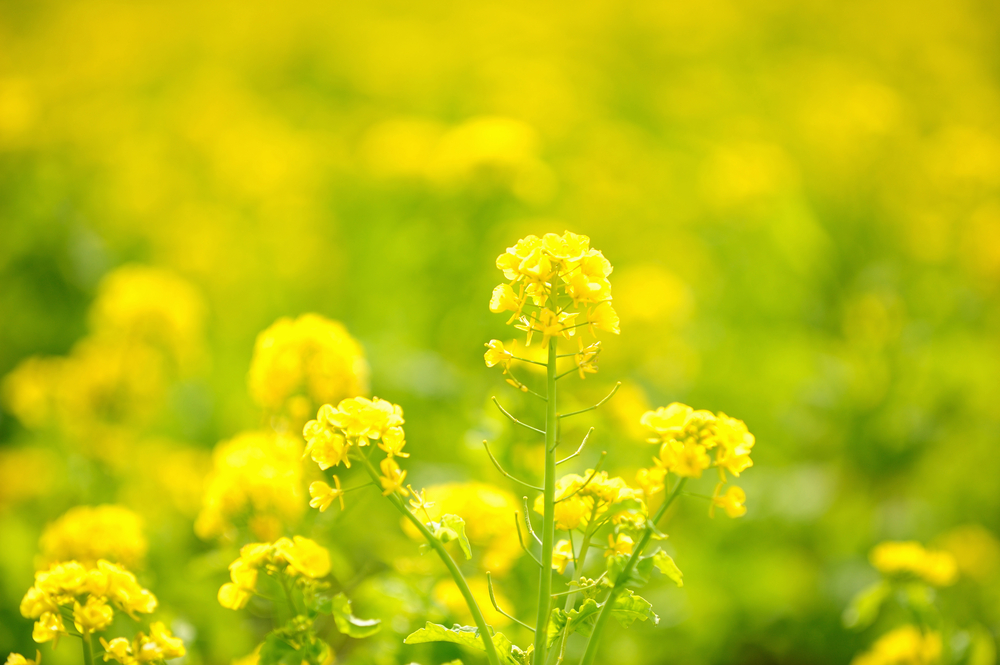
At first glance, you’d be forgiven for mixing up mustard and rapeseed (canola). When they’re in full bloom, they both blanket fields in that iconic, vibrant yellow. But if you look a little closer, there are some key differences between these two garden cousins. Let’s dive into what sets them apart!
What Mustard and Rapeseed Have in Common
It’s no coincidence they look like twins; both mustard and rapeseed belong to the Brassicaceae family (the crucifers). Not only do they share that bright yellow bloom, but their flower structure is nearly identical, with each flower sporting four petals in a cross shape.
They also stand at about the same height, usually reaching anywhere from 1 to 6 feet tall. Even the foliage is similar—both plants have lobed, jagged leaves that might remind you a bit of arugula.
The Key Differences Between Mustard and Rapeseed
Even though they’re visual look-alikes, there’s one “dead giveaway” that tells them apart: the timing. Rapeseed is a spring superstar, turning fields yellow in April and May. Mustard, on the other hand, waits until late summer or early autumn to show off its colors. So, if you spot a sea of yellow in the fall, you’re almost certainly looking at mustard, not rapeseed.
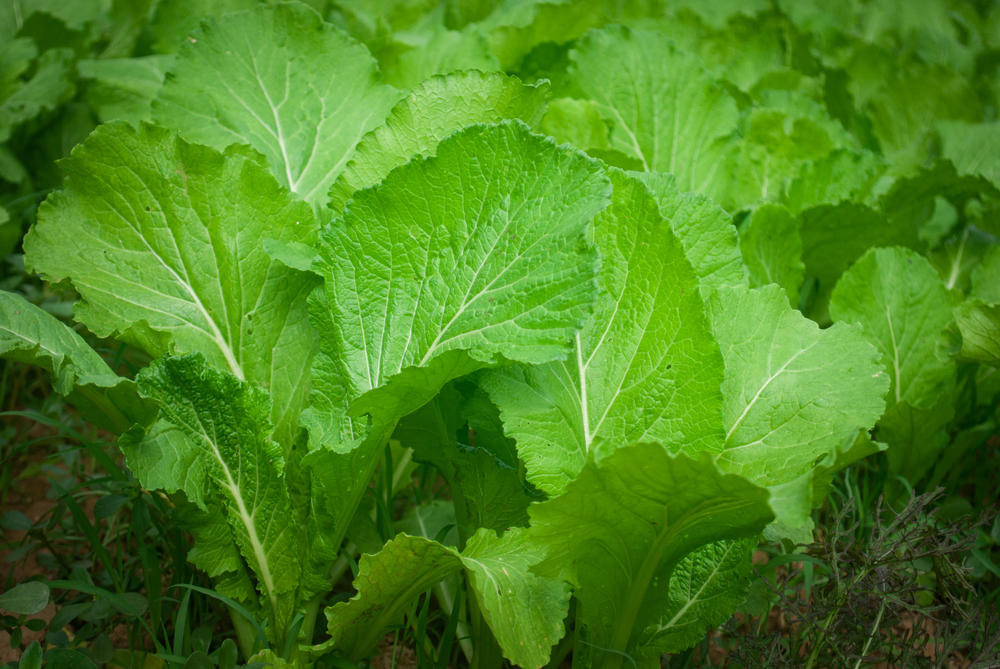
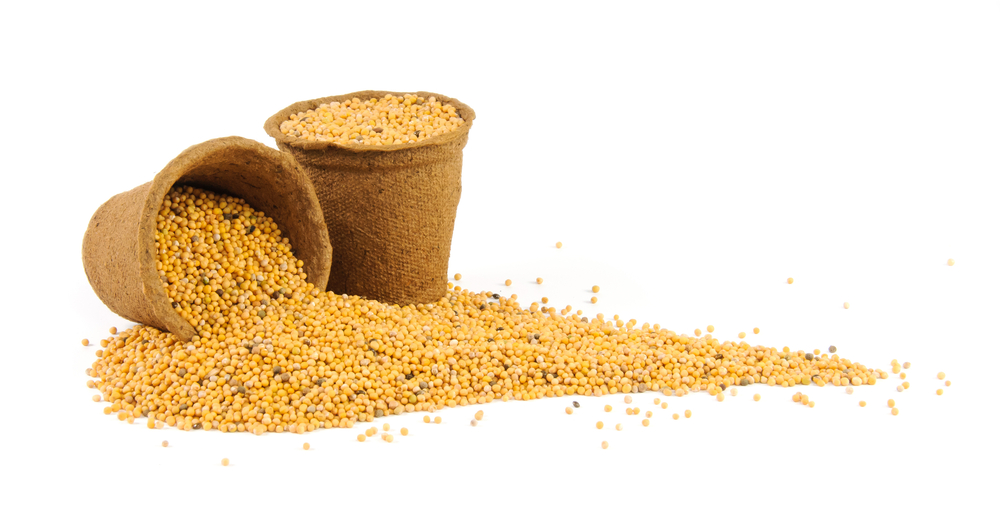
Their jobs in the kitchen and on the farm are pretty different, too. Mustard leaves are great for adding a spicy kick to salads or flavoring soups and warm dishes. And, of course, the seeds are the star ingredient in the mustard we put on hot dogs! Rapeseed is primarily grown for animal feed and to produce canola oil.
Then there’s the “sniff test.” If you’ve ever driven past a rapeseed field in the spring, you know that distinct, slightly pungent, heavy scent that fills the air. Mustard doesn’t smell anything like that.
By the way, while you *can* technically eat rapeseed leaves, I wouldn’t recommend foraging them from a commercial farm field. Those crops are almost always treated with pesticides. Plus, compared to the zesty flavor of mustard greens, rapeseed leaves are pretty bland. Stick to the mustard for your garden salads!