Orange trees have become a total favorite for home gardeners lately. Even though they aren’t frost-hardy and need to live in pots in most climates, there’s nothing quite like having your own citrus grove on the patio. The best part? You can actually grow your own trees using a few different methods. It’s a great way to fill your space with greenery and, eventually, fresh fruit!
Different Ways to Propagate Your Orange Tree
If you want to grow your own orange trees, you’ve got options. The most common ways to get the job done are:
- Growing from cuttings (softwood or hardwood)
- Starting from seeds (the pits)
- Grafting onto a rootstock
Growing Orange Trees from Cuttings
Using cuttings is a super popular way to start a new tree. To do this, snip off a few shoots about 6 to 8 inches long. Stick them into a starter pot filled with high-quality potting soil. You’ll want to keep them in a warm, dry spot and make sure the soil stays consistently moist but not soggy.
These little guys root best at around 77°F (25°C). Once they’ve established a solid root system and grown a bit, you can repot them into their own permanent containers.
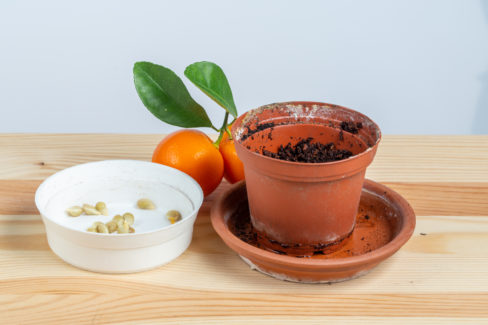
Starting from Seeds
Another fun project is growing a tree straight from the seeds. Just a heads-up: once you take the seeds out of the orange, they have a pretty short “shelf life” for germinating—usually about a week. You’ll want to plant them almost immediately to have the best luck. Place them in seed trays and keep them nice and warm (between 70°F and 85°F) and consistently moist.
In a few weeks, you should see those first little sprouts popping up. Keep them warm and hydrated until they’re big enough to handle a move.
Grafting Your Orange Trees
If you’re feeling a bit more advanced, you can propagate via grafting. This needs to be done during the active growing season. Most gardeners use Bitter Orange or Trifoliate Orange as a “rootstock” (the base). You’ll also need a “scion”—which is just a cutting from the orange tree you want to propagate—that has some dormant buds on it.
You’ll make a small, clean, angled cut into the stem of the rootstock. Make sure the surfaces of the scion and the rootstock fit together perfectly. Secure them with some grafting tape or raffia, and seal the area with grafting wax to keep it protected while it heals.
A Quick Note on Seed-Grown Trees
Just a little pro-tip: orange trees grown from seeds rarely bloom quickly. They have a very long “juvenile” phase, meaning they grow slowly before they’re ready to produce flowers. If you want to encourage blooms, try to avoid heavy pruning in the first few years. It takes patience, but it’s worth the wait!