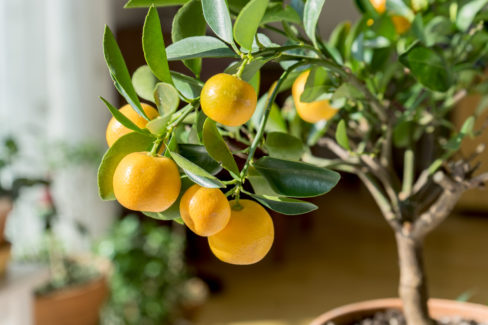
Orange trees are becoming a huge hit in home gardens lately, and it’s easy to see why! Since these citrus beauties aren’t exactly fans of the frost, most of us grow them in pots. This makes them a fantastic, unique houseplant—as long as you know a few tricks about their favorite spots and care routines.
Orange trees aren’t built for the cold
Even though they originally hail from China, you can definitely grow orange trees in cooler climates. However, getting the location just right is the secret to success.
The main thing to remember is that orange trees are not cold-hardy. Once temperatures dip into the low 40s (Fahrenheit), these trees can suffer serious damage that might affect the whole plant. Because of that, keeping them outdoors year-round just isn’t an option in most regions.
Growing orange trees in containers
Since you’ll need to overwinter your tree indoors, it’s best to plant your orange tree in a pot or container right from the start. This gives you the best of both worlds: you can let it soak up the sun on the patio during the summer, then easily scoot it back inside or into a sunroom once the mercury starts to drop.
Orange trees as houseplants
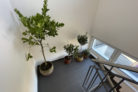
Citrus trees have become super popular indoor plants. If you’re going to keep one inside, you really have to nail the placement and care. Even if it’s an “indoor” plant, your orange tree will still love a summer vacation on your balcony or terrace whenever possible!
Finding the perfect indoor spot
Light is everything! Place your orange tree near a bright window. A south-facing window that gets consistent sunlight throughout the day is usually the “sweet spot” where they thrive best.
Choosing the right pot
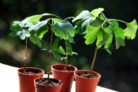
Don’t be fooled—even indoors, orange trees can grow quite a bit! Make sure you choose a container large enough to give the roots plenty of room to stretch out. Also, good drainage is a must; you want to avoid “wet feet” (standing water) at all costs to prevent root rot.
Indoor care tips
When you’re growing an orange tree inside, your care routine is key. Keep your tree happy with regular watering and a good fertilizer to ensure it gets all the moisture and nutrients it needs.
Keep a close eye out for pests and diseases, too. A pro tip to ward off spider mites is to give your tree a light misting with fresh water every now and then.
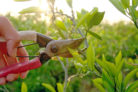
Finally, pruning is pretty important for indoor trees to keep them looking sharp and fitting your space. And when winter rolls around, try to move your tree to a slightly cooler spot—standard heated living rooms are actually a bit too toasty for their dormant phase!