Depending on what you’re growing, there’s usually a “best” way to get more plants for your buck. If you’re lucky enough to have your own fruit and veggie garden, learning the ropes of plant propagation is a total game-changer. When it comes to apple trees, here is the lowdown on how it works.
Growing Plants from Scratch: The Seed Method
Most of us think of starting seeds when we talk about veggies. While you technically can propagate most perennials and woody plants this way, it’s often a long, slow road. If you only need a couple of new plants, it’s usually smarter to stick with vegetative propagation or just head to your local nursery. Vegetative propagation is basically a fancy way of saying asexual reproduction.
Growing Your Own Fruit
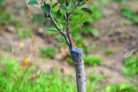
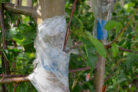
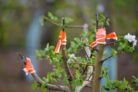
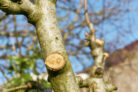
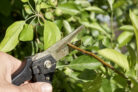
Starting from seed only really pays off for a few specific types, like walnuts, peaches, or hazelnuts. For the vast majority of fruit trees, we use grafting—specifically cleft grafting or similar methods. This is an asexual propagation technique that lets us create endless “clones” of a mother plant. Fun fact: every “Boskoop” apple tree in the world actually comes from one single original tree and was spread globally entirely through grafting!
The “Wildling” Problem: Small and Sour Fruit
Here’s the catch with seeds: if you plant an apple seed, you won’t harvest the same fruit you ate. Apples aren’t “come true from seed,” meaning the offspring is a genetic roll of the dice. You’ll likely end up with a “wildling”—a tree that might grow fruit, but they’ll probably be tiny, bitter, or sour. To get those delicious, snackable apples we love, grafting with a high-quality scion is a must.
How to Stratify Your Apple Seeds
If you’re up for a fun experiment and want to grow an apple tree from a seed anyway, you’ll need to try “stratification.”
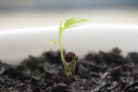
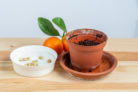
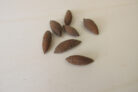
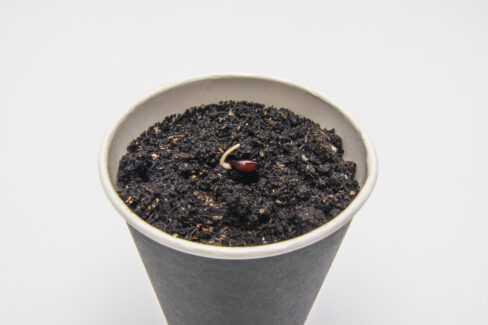
Apple seeds have a natural germination inhibitor that prevents them from sprouting until they’ve experienced a cold snap. You can mimic winter by putting your seeds in the fridge or even the freezer. Just wrap the seeds in damp paper towels and keep them in the fridge for about two weeks. After that, carefully plant the sprouts in a pot with loose soil and wait for that first bit of green to pop up!