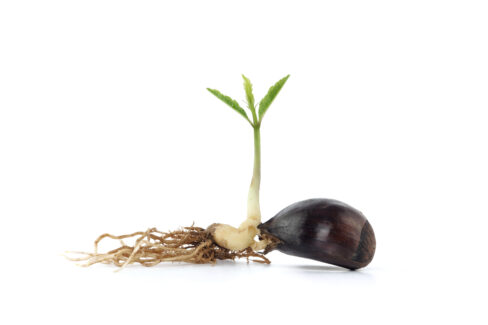
Growing your own sweet chestnuts from seed is a fun project, but I’ll be honest with you—it’s a bit of a marathon, not a sprint. While it’s totally doable to sprout these yourself, there are a few quirks you should know about before you get started. With a little patience and the right technique, you’ll eventually have a gorgeous, stately tree to call your own.
The Challenges of Growing from Seed
First things first: when you grow a sweet chestnut from a seed you found in the wild, you’re getting a “mystery tree.” Because you don’t know which tree provided the pollen, the offspring won’t be a carbon copy of the parent. You won’t know exactly which traits—like nut size or disease resistance—the tree will inherit until it’s much older.
The second thing to keep in mind is the timeline. If you’re looking for a quick way to propagate sweet chestnuts, seeds are fast to sprout but slow to produce. Your little sapling will grow vigorously, but don’t expect to be roasting your own homegrown nuts anytime soon. These trees usually take at least 15 years to reach harvest time, and sometimes even longer. You’re definitely planting this one for the long haul!
How to Start Your Seeds
Before you get your hands dirty, check the condition of your seeds. If they’re fresh off the tree, you can plant them right away. However, if they’ve dried out a bit, they’ll need a little spa treatment first. Soak dried seeds in a bowl of water for about two days to rehydrate them before planting.
Here is the best setup for your seeds:
- Use soil that is neutral to slightly acidic.
- Opt for a low-nutrient seed-starting mix.
- Keep the soil consistently moist, but be careful not to overwater.
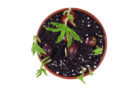
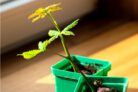
Once your seeds are prepped, plant them about half an inch (1 cm) deep in your substrate. You can plant them directly in the ground, but I highly recommend starting them in pots. Why? Because young chestnut saplings are pretty sensitive to frost during their first year. Keeping them in containers allows you to move them to a protected spot when the temperature drops. After a year of growth, your “baby” tree will be sturdy enough to be repotted or moved to its permanent sunny spot in the garden.