Since orange trees hail from the tropics, they’re used to living in luxury when it comes to nutrients. If you want your tree to thrive at home, regular feeding is a non-negotiable part of the job.
Different Ways to Fertilize
When it comes to giving your orange tree the boost it needs, you’ve generally got two main options:
- Liquid fertilizers for a quick nutrient hit.
- Slow-release (complete) fertilizers for long-term feeding.
Using Liquid Fertilizer
If you go the liquid route, you’ll want to mix it into your watering can about once a week. This ensures the nutrients soak deep into the soil where the roots can grab them easily. You can pick up a specialized citrus fertilizer at the garden center, but honestly, a high-quality all-purpose liquid fertilizer works just fine as long as you follow the mixing ratios on the bottle.
Using Slow-Release Fertilizer
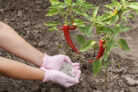
The big perk of slow-release fertilizer is convenience—you only have to deal with it about twice a year. These usually come as granules, spikes, or little pellets that you work into the soil. They’re pretty smart, too; they release nutrients gradually based on the temperature and moisture levels of the soil.
Feeding Potted Trees
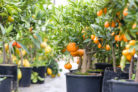
If you’re growing your orange tree in a container, staying on top of fertilization is even more critical. Unlike trees in the ground, potted plants have a limited “pantry” of nutrients in their soil. Once those are gone, they’re entirely dependent on you to replenish the supply.
When to Fertilize
You can give your tree its first dose of nutrients right after planting. However, you’ll want to cut off the “buffet” by September at the latest. Stopping the fertilizer helps the tree settle into its necessary winter dormancy. During those chilly months, keep up with the watering, but definitely put the fertilizer away.
If you fertilize too late in the season, the tree might try to put out new growth right before winter. Those tender new branches won’t have enough time to “harden off” (turn woody and strong) before the cold hits. Once spring rolls around in March or April, you can start feeding again. Just start with smaller doses and gradually work your way up to full strength.
Going Organic
While heavy organic fertilizers aren’t always the best fit for indoor orange trees, they work great for trees kept outdoors in large pots. You can use natural materials like compost to enrich the soil. Plus, adding a layer of mulch on top is a great way to keep the roots cool and prevent the soil from drying out too fast.