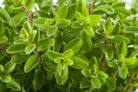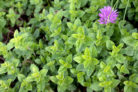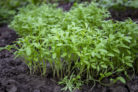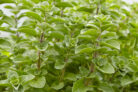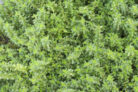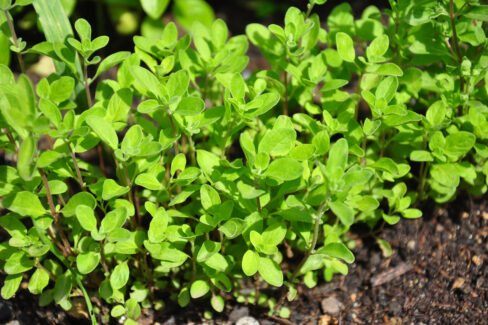
If you love adding a savory, peppery kick to your cooking, you’ve got to try growing your own marjoram! While it’s a total rockstar in the herb garden, keep in mind that it’s a bit of a “fair-weather friend” here in the States. Because it’s super sensitive to frost, it usually only lasts for one season in most garden beds. To get a lush, long-lasting harvest, you’ve got to get the timing and the planting just right.
The Best Time to Plant Marjoram
Marjoram is definitely not a fan of the cold. You shouldn’t move it outside until the threat of frost has completely passed—usually by mid-to-late May, depending on your local hardiness zone. If you’re direct-sowing seeds in the garden, wait until the soil has warmed up.
Want a head start? You can start your seeds indoors as early as February. Or, if you’re not in the mood for the DIY seed route, you can always grab some starter plants from your local nursery in the spring. You can usually start harvesting about eight weeks after sowing. Pro tip: Marjoram is at its most flavorful right before the flowers open!
Tips for Seeds, Sowing, and Planting
Here’s a fun fact: Marjoram seeds are “light germinators.” That means they need sunlight to wake up, so don’t bury them under a layer of dirt! Just scatter them on the surface and gently press them into the soil.
Since the seeds are tiny, use a spray bottle to keep them moist. A heavy watering can or a hose will just wash them away. Once your seedlings are about 4 inches tall, thin them out so only the strongest ones remain. If you’re transplanting store-bought or indoor-started plants, space them about 8 to 12 inches apart. I like to put two plants in each hole—it helps the herb grow into a much fuller, bushier mound.
The Perfect Spot for Maximum Flavor
You don’t need a ton of space for marjoram because a little bit of this potent herb goes a long way in the kitchen. What it *does* need is sun—and lots of it! The more direct sunlight it gets, the more essential oils it produces, which means better flavor for your recipes. Here’s what to look for in a garden spot:
- Full sun (the more, the better!)
- Well-draining, nutrient-rich soil
- Consistently moist but never soggy (no “wet feet” allowed)
- Loose, weed-free soil
- A little boost of aged compost if your soil is lacking
Quick Tip: Marjoram is a bit picky about its neighbors. It doesn’t like to grow in the same spot where marjoram, oregano, or thyme grew recently. Try to stick to a three-year crop rotation to keep the soil healthy.
Pruning for a Bushier Plant
You actually don’t need to fertilize marjoram during the growing season. If your soil is poor, just mix in some compost before you plant. To keep the plant from getting leggy, give it a regular trim. Most gardeners do this naturally while they’re harvesting sprigs for dinner!
Can You Overwinter Marjoram?
In most parts of the U.S., marjoram is treated as an annual. It’s tough to overwinter indoors, and it rarely survives a real winter outside. If you live in a very mild climate, you might get lucky if you mulch it heavily with straw or evergreen branches, but it’s a gamble.
If you want a similar flavor that’s way more cold-hardy, try growing its cousin, oregano (sometimes called Wild Marjoram). Oregano is a perennial, handles frost like a champ, and offers an even bolder, spicier flavor profile.