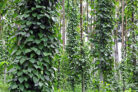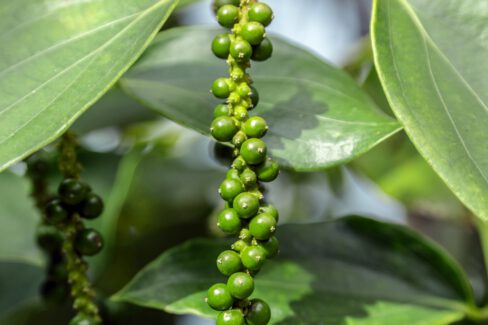
The black pepper plant (botanical name *Piper nigrum*) is a member of the Piperaceae family and the source of that spicy kick we all love in our kitchens. Originally hailing from Asia—with India being one of its biggest producers—this tropical beauty is more than just a spice rack staple; it’s a fascinating plant to grow!
Meet the Pepper Plant
In its natural habitat, black pepper is a climbing tropical vine. Because it’s a jungle native, it’s a bit of a diva when it comes to its environment: it craves a steady temperature of at least 65°F (18°C) and very high humidity. The leaves are leathery to the touch and have a lovely heart-shaped, pointed look. The flowers are pretty subtle, growing in long, drooping spikes that can hold up to 150 tiny blossoms. Once pollinated, these turn into the small, round red fruits we know as peppercorns.
Growing Your Own Pepper
I’ll be honest with you: growing pepper in our neck of the woods is a bit of a challenge. Unless you have a climate-controlled greenhouse or a heated sunroom, it’s tough to mimic those tropical vibes outdoors. While you can technically grow them from seed, it takes some patience and effort.
If you’ve got a spot that stays warm and humid, here’s how to get started:
- Pick up some seeds from a specialty garden center.
- You can start them any time of year!
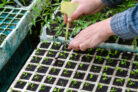
- Sow the seeds in trays filled with a good seed-starting mix.
- Keep them warm—they won’t even think about germinating until they hit about 80°F (27°C).
- Keep the soil consistently moist.
- Don’t forget to keep the air humid around the trays.
Once your seedlings look strong and sturdy, you can move them into their own individual pots.
Caring for Your Plant
Pepper plants love a soil mix that’s about three parts humus to one part sand. Find them a warm spot with partial shade. Remember, they need to stay above 65°F year-round, though they’ll be even happier if it’s warmer. Since they are natural climbers, make sure to provide a trellis or some kind of support for them to grab onto.
When it comes to watering, keep it moderate—the soil should be damp but never soggy. The real secret is the air: these plants need high humidity. I recommend misting them with a spray bottle at least once a day. For food, a liquid all-purpose fertilizer every two weeks works wonders. Since there are no “seasons” in the tropics, you’ll keep up this routine all year long.
The Brazilian Peppertree
If you’re a fan of those colorful pink peppercorns, you might want to try your hand at a Brazilian Peppertree instead. These are a bit hardier and do great in containers. You can keep them outside for most of the year, only bringing them indoors to a frost-free spot once the temperature dips below 40°F (5°C).