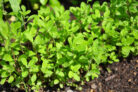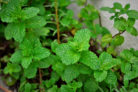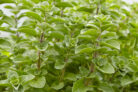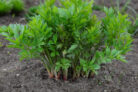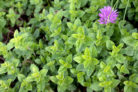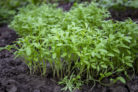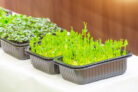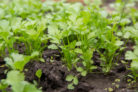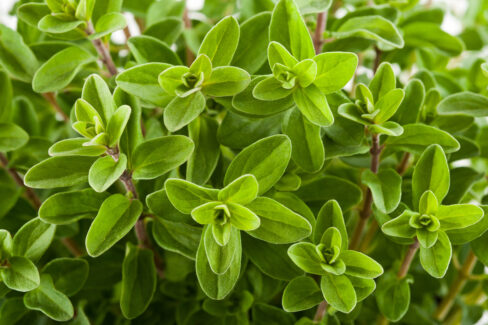
In most of our neck of the woods, marjoram is strictly an annual. That means every new gardening season kicks off with a fresh round of sowing. If you forget to plant or don’t get the technique quite right, you’ll be missing out on those delicious fresh leaves for your summer cooking. To get a great harvest, there are a few key things to keep in mind regarding germination and growth.
Don’t Rush the Sowing
Marjoram is a total sun-seeker and absolutely hates the frost, so don’t be tempted to sow it outdoors too early. This herb really needs temperatures above 60°F (15°C) to germinate properly. To be safe, wait until after the last spring frost—usually mid-May—before sowing directly into the garden. If you live in a particularly mild climate, you might get away with a slightly earlier start. Keep in mind it takes about eight weeks from seed to your first harvest. If you want a head start, you can start seeds indoors as early as February, but don’t plan on overwintering the plants inside; they really prefer the outdoor life.
Location and Soil
Marjoram thrives on heat and intense sunlight. The more sun it gets, the more aromatic and flavorful those oils will be. Speaking of flavor: marjoram is so punchy that a little goes a long way, so you don’t need to dedicate a huge plot to it.
Ideally, you want nutrient-rich, loose soil that’s been cleared of weeds, though it’s a hardy enough herb to handle poorer soils too. If you want to give your plants a boost, mix in some mature compost before sowing. One pro tip: avoid planting marjoram in a spot where you’ve grown marjoram or thyme in the last three years to keep the soil healthy.
How to Sow Your Seeds
To make sure your seeds actually sprout, there are a few “golden rules” to follow:
- Scatter the seeds evenly across the surface.
- Do not cover them with soil—marjoram needs light to germinate!
- Just press the seeds gently into the earth so they make contact.
- Use a spray bottle to mist them (a heavy watering can will wash them away).
- Keep the soil consistently moist until they sprout.
Once your seedlings are about 2 to 4 inches tall, thin them out so only the strongest survive. Usually, about three healthy plants are plenty for a home cook; just pluck the rest.
Quick Tip:
To get a nice, bushy plant, prune or harvest the top third of the stems early on. If you end up with a bumper crop, you can easily dry your marjoram or even freeze it for later use.
Sowing Oregano
Marjoram has a very famous cousin that every gardener should know: oregano. Also known as “wild marjoram,” it’s even more savory and intense. But oregano has one huge advantage over its cousin: it’s a perennial. Usually, you only have to sow it once, and it will come back year after year, spreading beautifully to give you a lifetime supply.