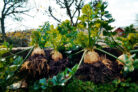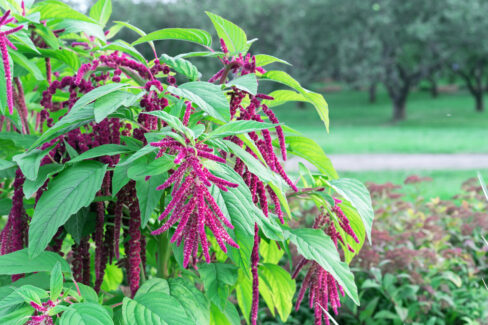
Amaranth is a fantastic annual that’s a breeze to grow from seed. Even though it can’t handle a frosty winter, once you get it started in your garden, it often does the work for you by self-seeding year after year.
A Showstopper in the Garden
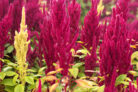
You might know Amaranth by its other common name, “Love-Lies-Bleeding,” thanks to those stunning, decorative blooms. These flower spikes can reach an impressive 5 feet in length! While the individual seeds are tiny, the plants themselves are incredibly productive. The seeds from garden varieties are harvested as a “pseudocereal,” which is a fancy way of saying you can use them just like grain for baking or mixing into your morning muesli.
Beyond the classic garden types, there are plenty of other gorgeous varieties out there grown strictly for their looks to add some drama to your flower beds.
Finding the Perfect Spot
If you’re planning to grow your own Amaranth, you’ll want to pick out a nice sunny spot. This is especially important if you’re hoping for a harvest, as those seeds need all the sun they can get to ripen by fall. Just make sure the area is protected from the wind—these plants can tower up to 6 or 7 feet tall, and their stalks can be a bit brittle. If your garden gets a bit breezy, it’s a good idea to give them some extra support with stakes.
Amaranth loves nutrient-rich soil and appreciates a little extra feeding throughout the growing season. On the plus side, it’s incredibly drought-tolerant, even when it’s just starting out. That’s actually why you see it used so often in agriculture as a hardy alternative to traditional grains.
Sowing the Seeds
Since Amaranth seeds are so tiny, you don’t want to bury them too deep—about half an inch to an inch of soil is plenty. They need a bit of warmth to wake up (ideally between 60°F and 70°F), so wait until late April or early May to sow them once the threat of frost has passed. While the plant is great at self-seeding, the winter freeze can lower the germination rate of seeds left outside. If you’re looking for a big harvest, you’re better off planting fresh Amaranth seeds yourself each spring.
Expect to see sprouts in about one to two weeks. Even though the seedlings are pretty tough when it comes to dry spells, keeping them consistently watered during this stage will give them the best head start.