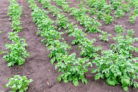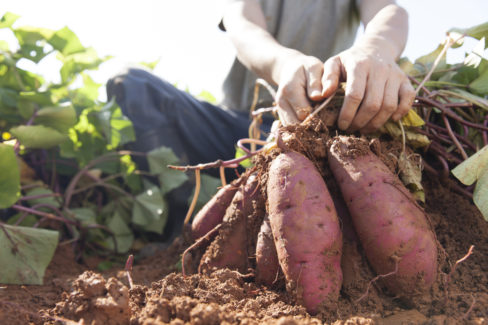
Sweet potatoes have become a huge trend in the gardening world lately, but don’t let the name fool you—they aren’t actually related to your standard Idaho or Yukon Gold potatoes! The only thing they really have in common is that garden pests like voles absolutely love them. Because of those hungry critters, many gardeners (myself included!) prefer growing them in containers.
Choosing the Right Container
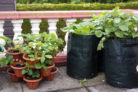
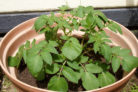
If you want a harvest worth bragging about, size matters. Your container should hold at least 15 to 25 gallons (about 60–90 liters). You might see some varieties marketed for window boxes or balcony planters, but keep in mind those are usually ornamental varieties. They look gorgeous with their trailing vines, but they won’t produce the big, tasty tubers you’re looking for.
If you aren’t a fan of pots sitting around, a raised bed is a fantastic alternative. It keeps the plants safe from voles and gives the vines plenty of room to sprawl out and do their thing.
The Secret to Success: Pre-Sprouting
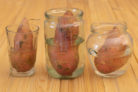
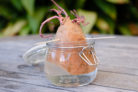
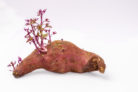
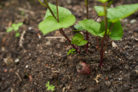
Sweet potatoes are total sun-worshippers and hate the cold. You shouldn’t even think about moving them outside until mid-May at the earliest. To give them a head start, it’s a great idea to “chit” or pre-sprout them indoors a few weeks early. You can do this by planting a tuber in a small pot at room temperature or using the classic water glass method.
If you go the water glass route, make sure you pick a sweet potato that is completely unblemished. Any nicks or bruises can cause it to rot before it even gets started. And hey, if you’ve never grown them before and don’t have saved tubers, a regular organic sweet potato from the grocery store works just fine!
Planting the Shoots, Not the Potato
Here’s a pro tip that surprises a lot of people: when it’s time to head out to the garden, you don’t plant the whole potato. Instead, you only plant the slips (the green shoots) that have grown off it. If you bury the entire original tuber, the plant gets “lazy” and won’t feel the need to grow a bunch of new, large potatoes for you to harvest later.
This is why the plants you buy at a nursery are usually grown from cuttings. They start with no tubers at all, forcing the plant to work hard all summer to build up its own storage roots.
I personally find that pre-sprouting in soil works a bit better than water because the slips develop much stronger root systems. Once the weather is warm enough, just dig up your sprouted potato, snip off the healthiest-looking slips, and get them in the ground. For a standard large container, stick to two or three slips so they have plenty of elbow room to grow!