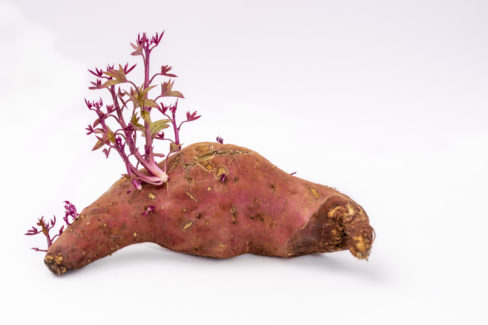
Ever found a forgotten sweet potato in the back of your pantry only to realize it’s starting to sprout? Don’t toss it! As long as it isn’t shriveled or mushy, it’s still perfectly fine to eat. But even better? You can use those sprouts to grow a whole new harvest of sweet potatoes right in your backyard.
Seeds are a tough nut to crack
While the tubers themselves are eager to grow, sweet potato seeds are a totally different story. They are notoriously stubborn and can take over a month just to show a tiny bit of green. Even then, they usually only sprout if you’ve put in the work to pre-treat them.
Because of this, most gardeners skip the seeds entirely. Growing from seed really only makes sense if you’re trying to breed a brand-new variety. Plus, in our climate, the seeds rarely have time to fully ripen before the first frost hits. If you’re dead set on collecting seeds, you’ll definitely need a heated greenhouse to keep the plants happy long enough.
Sprouting the tubers (The easy way!)
Just like regular potatoes, sweet potatoes grow sprouts (called “slips”) directly from the tuber. If you want to grow your own, you can start encouraging these sprouts as early as February. Here’s the pro tip: when it’s time to head to the garden, you only want to plant the slips, not the entire sprouted potato.
Why? If you plant the whole tuber, the plant gets “lazy.” It already has a big energy source, so it doesn’t feel the need to grow new storage roots. But if you plant just the rooted slips, the plant has to work hard to create new tubers, leading to a much bigger harvest for you!
To get those sprouts going, you can place a sweet potato in a jar of water (submerging about half) or plant it halfway in some soil. Once the shoots are about 4 inches long, gently wiggle them off the tuber or carefully dig them out if they’ve already started growing their own roots.
How to prevent unwanted sprouting
If you’re planning on eating your sweet potatoes rather than planting them, you probably want to keep those sprouts at bay. To keep them fresh and “sleepy,” store them in a cool, dry spot. A dark pantry is usually your best bet. Just make sure the area isn’t too humid and stays frost-free, and your sweet potatoes will stay delicious for much longer.