Sweet potatoes might seem like an exotic addition to the garden, but they’re actually surprisingly easy to grow! If you’re looking to try your hand at growing your own sweet potatoes, there are just a few simple tricks to keep in mind to ensure you get a massive harvest.
Growing from Slips
A common mistake many home gardeners make is treating sweet potatoes like regular potatoes and just tossing a whole tuber into the ground. While the tuber will definitely grow some beautiful vines, you’ll likely be disappointed when it comes time for the sweet potato harvest in the fall. Why? Because the plant already has a huge energy storage organ (the tuber you planted), so it doesn’t feel the need to produce many new ones.
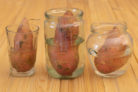
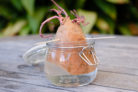
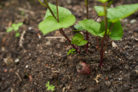
Instead, you want to grow what we call “slips.” You can either take cuttings in the fall or sprout a sweet potato in late winter, snap off the new shoots (slips), and plant those instead.
Planting
The best time to get your sweet potatoes in the ground is mid-May, once the danger of frost has completely passed. These plants are total sun-lovers and very sensitive to the cold—even a light frost can kill off the tender shoots.
Sweet potatoes are pretty flexible about where they live, as long as they get plenty of sunshine and nutrient-rich soil.
Great spots for planting include:
- In the garden bed with loose, well-draining soil
- Raised beds
- Containers (aim for at least 15 gallons/60 liters per plant)
Care and Maintenance
Sweet potatoes love rich soil and a steady, moderate supply of water. If you plant them directly in the ground, they’re actually pretty low-maintenance. The vines tend to root wherever the leaf nodes touch the soil, which helps the plant soak up even more nutrients and water. You’ll need to pay a little closer attention to watering if you’re growing them in raised beds or pots.
Regular watering is key for these morning glory relatives. However, try to give them smaller amounts of water frequently rather than drowning them; this encourages the plant to develop those thick, tasty tubers. Since the vines spread out and shade the soil, they do a great job of keeping the ground cool. Don’t worry about getting the leaves wet—they handle moisture just fine.
During the growing season, give your plants a boost with liquid fertilizer about every two weeks. A standard organic vegetable fertilizer works great. If you’re into DIY gardening, a diluted stinging nettle tea (1:10 ratio) is a fantastic organic option. When fertilizing, try to aim for the base of the plant rather than the leaves, as the roots are where the magic happens.
Pests and Diseases
For the most part, sweet potatoes are very hardy and disease-resistant. Toward the end of the season, when sweet potato harvest time approaches, the plants might start looking a bit “sick” as the leaves change color. Don’t panic! This is just a natural sign that the plant is finishing its cycle and it’s time to dig up those tubers.
The real challenge for the home gardener is underground pests like voles. If you have a lot of these hungry critters in your yard, you’re better off growing your sweet potatoes in containers or raised beds. Sweet potatoes aren’t actually a vole’s first choice—the tubers contain a milky sap that is slightly toxic when raw—but if food is scarce, they won’t hesitate to take a bite.
You can sometimes keep a few voles away using scent-based repellents, but if you have a real infestation, your best bet is choosing a protected planting site.
Harvesting Sweet Potatoes
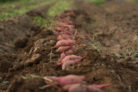
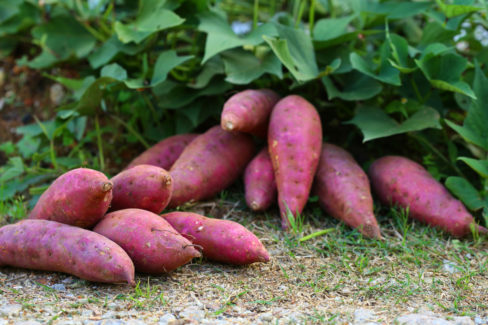
Once fall hits, it’s time to dig! The great news is that you can store sweet potatoes easily. They’ll stay fresh in the kitchen for several weeks, and if you have a cool storage room, they can even last for several months.
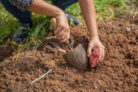
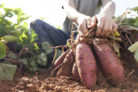
When harvesting from the garden, you’ll definitely want a garden fork. Start by cutting the vines away from the center of the root ball. In a good spot, the root system can spread out up to 20 inches (half a meter) wide. To avoid stabbing your prize potatoes, don’t stick your fork in right at the base—start a little further out and work your way in.
Try to be as gentle as possible. Any nicks or bruises can lead to rot during storage. Damaged tubers also don’t work well if you plan on using them to grow slips next spring, as they tend to rot quickly when placed in water.
Overwintering
You generally can’t keep the entire plant alive over the winter. Instead, you either store the tubers or, if you have the space, take cuttings in the fall to keep indoors. Rooting cuttings is super easy: just take a long vine and make sure at least one leaf node is submerged in water. Once you see roots that are a few millimeters long, you can pot them up.
During the winter, keep these indoor plants in a bright but cool spot. A south-facing room that stays on the cooler side or a frost-free, unheated sunroom is perfect.