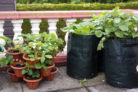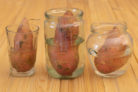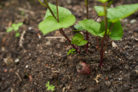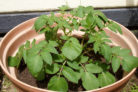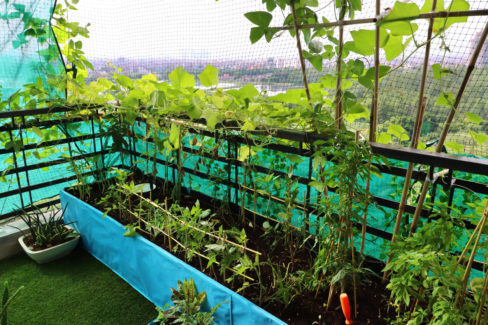
Sweet potatoes are one of those low-maintenance root veggies that have absolutely exploded in popularity among home gardeners lately. They are incredibly versatile in the kitchen, and the best part? You don’t need a massive backyard to grow them. They do surprisingly well in containers, making them a perfect choice for balcony gardening.
Sunny and Warm
If you’ve got a sunny balcony, you’ve got the ideal spot for sweet potatoes. They thrive in south-facing locations because, let’s face it, these plants are sun-worshippers. They can even handle that intense midday heat, as long as their pot is big enough and you keep the soil consistently moist.
While they aren’t particularly bothered by a bit of wind, they aren’t huge fans of constant rain. You’ll want to make sure they don’t get waterlogged during a long rainy spell.
Choosing the Right Container
Space might be limited on a balcony, but you still need to give these roots room to stretch. If you’re using tubs or troughs, aim for a capacity of at least 15 gallons (about 60 liters).
Sweet potatoes are actually gorgeous enough to double as ornamental plants in window boxes. While specific “ornamental” varieties are grown for their stunning foliage, the edible types produce beautiful, funnel-shaped flowers that pollinators absolutely love. Just a heads-up: even with all those bees visiting, sweet potatoes rarely produce seeds in our climate because the growing season just isn’t long enough for them to fully ripen.
The most important thing for your container is drainage. Make sure there are plenty of holes in the bottom. I also recommend adding a layer of lava rocks or gravel at the base to create a drainage buffer so the roots don’t sit in soggy soil.
Care and Maintenance
Caring for balcony sweet potatoes isn’t much different from growing them in the ground. Since they are “heavy feeders” (meaning they have a big appetite for nutrients), start them off in a high-quality potting mix designed for vegetables.
The main thing to remember with container gardening is that your plants are totally dependent on you for hydration. In a garden bed, sweet potatoes can grow extra roots along their vines to find more water, but in a pot, they’re stuck with what’s in the container. Keep that soil moist!
To keep them happy, mix some liquid fertilizer into your watering can every two weeks. If you’re growing them to eat, definitely stick with an organic liquid fertilizer. If you’re feeling adventurous, you can even whip up a homemade compost tea or nettle manure to give them a natural nutrient boost.