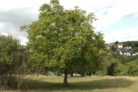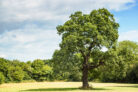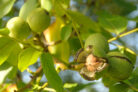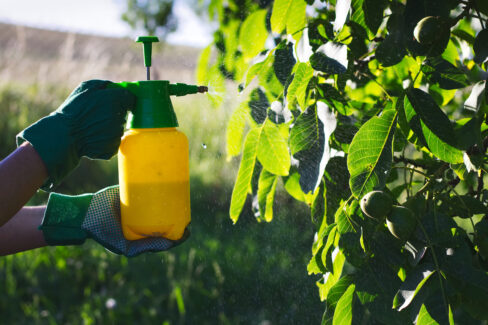
When you plant a walnut tree in the perfect spot, it’s amazing how fast and strong it can grow. For the most part, these trees are pretty independent and do a great job of finding their own nutrients. However, there are definitely times when giving your tree a little extra “food” can make a world of difference.
Walnut trees are naturally self-sufficient
Generally speaking, walnut trees are tough, low-maintenance giants. In their natural habitat—and especially if you’ve picked the ideal planting spot—they are experts at sourcing what they need from the soil. That said, even a hardy tree appreciates a little boost now and then to stay in tip-top shape.
When should you actually fertilize?
While a little extra fertilizer never hurts, there are some situations where it’s actually a must. If your tree can’t reach out into the deep earth to find nutrients on its own, it’s up to you to provide them. This is especially true for:
- Walnut trees grown in pots or containers
- Walnut tree bonsais
Because the soil volume in a pot or tray is so limited, the nutrients get used up quickly. If you’re growing a potted walnut or a bonsai, you’ll want to fertilize regularly. The best way to do this is by adding liquid fertilizer directly to your watering can. This helps distribute the nutrients evenly through the soil so the roots can soak them up fast. Just a heads-up: be careful not to overdo it! Over-fertilizing can actually do more harm than good.
Choosing the right fertilizer for your walnut tree
When it comes to picking the right fertilizer, you’ve got a few great options. For bonsais and container trees, a high-quality liquid fertilizer from your local garden center is usually the way to go because it’s easy to measure out exactly what you need.
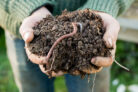
If you have a walnut tree growing out in the yard, you can take a more natural approach. Organic options like well-aged compost are fantastic—they’re easy on your wallet and great for the environment. The best time to fertilize is in the fall, right after the harvest or once the tree has dropped its nuts. Using organic matter doesn’t just add nutrients; it also improves the soil structure, making it airier and better at holding onto moisture.
- Spread the compost on the ground all the way around the base of the tree.
- Gently work it into the top layer of soil using a rake or a garden fork.