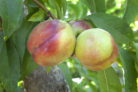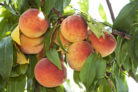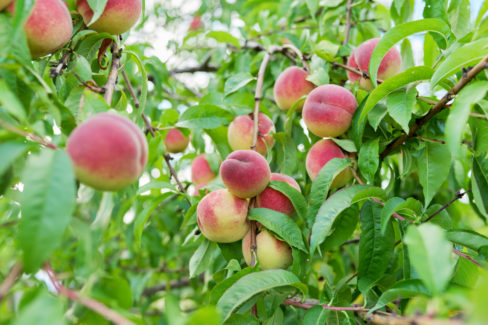
Nectarines are a summertime favorite, but let’s be honest—they don’t stay fresh for long once you bring them home from the store. Having your own nectarine tree in the backyard is a total game-changer, giving you access to perfectly ripe fruit whenever you want. To make sure your tree thrives and serves up a bumper crop, there are a few key things you’ll want to keep in mind during planting.
Ways to Grow Your Nectarine Tree
Nectarine trees are surprisingly versatile. You can plant them:
- As a standalone feature tree directly in your garden.
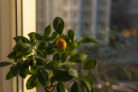
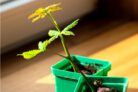
- In large pots or containers to brighten up your balcony or patio.
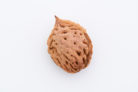
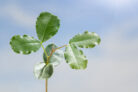
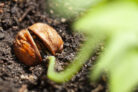
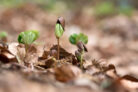
You can pick up a young tree at your local nursery, or if you’re feeling adventurous, you can even grow your own nectarine tree from scratch!
Finding the Perfect Spot
No matter how you choose to grow it, location is everything when it comes to a healthy tree and a big harvest. Nectarine trees are sun-seekers; they love a spot with full sun to partial shade. They also appreciate “breathing room” for their roots, so make sure your soil is loose and well-draining.
Planting Nectarine Trees in the Ground
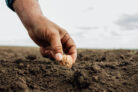
When you’re ready to dig in the garden, aim for a planting hole that’s about 1.5 times as deep as the root ball. If your soil is heavy or clay-like, don’t worry—just mix in some sand or fine gravel to help loosen things up and improve drainage.
Give your tree some elbow room, too! Make sure there’s plenty of space between it and other trees, walls, or buildings. This keeps your structures safe and ensures your nectarine tree has the space it needs to branch out beautifully.
Growing Nectarine Trees in Containers
Because they stay relatively compact, nectarine trees are actually fantastic candidates for container gardening. They make a gorgeous, decorative addition to a terrace or balcony. The rules for sunlight and soil are pretty much the same as they are for trees in the ground.
The most important factor here is the pot itself. You’ll want a container large enough to comfortably fit the root ball with extra room to grow.
To prevent “wet feet” (root rot), drainage is key. Line the bottom of the pot with a layer of gravel or clay pebbles before adding your potting mix. Also, skip the saucer underneath the pot—you don’t want water sitting there and soaking back into the soil.
Keep in mind that container-grown trees are a bit more sensitive to the cold, so make sure you winterize them properly when the frost hits.