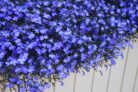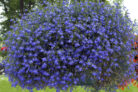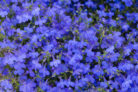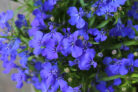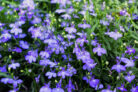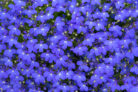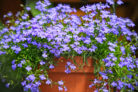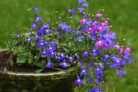
The Blue Lobelia (often called Edging Lobelia) is a total showstopper with its vibrant blue and purple blooms. But did you know it doesn’t just come in one shape? Depending on the variety, you can get a classic upright look or a gorgeous cascading effect that adds a whole different vibe to your garden.
Understanding Lobelia’s Growth Habit
When most home gardeners think of Lobelia, they picture a tidy little mound about 6 to 12 inches tall. Technically, Blue Lobelia isn’t a “true” climbing or trailing plant in the botanical sense, but certain varieties definitely act like one! Because the stems are so delicate, longer shoots naturally begin to drape downward. Some varieties are even bred to ignore the “boundaries” of their pots and spill over the edges. If you’re looking for that specific trailing look, make sure to check the seed packet for “trailing” or “pendula” varieties before you buy.
Tips for Success in Window Boxes and Pots
Whether yours is upright or trailing, getting the planting process right is key. First things first: drainage is non-negotiable. Make sure your pots or window boxes have plenty of holes. I always recommend adding a layer of broken terracotta shards or coarse gravel at the bottom to prevent “wet feet.” Standing water is a death sentence for these beauties! To keep them happy, find a spot that is warm and gets plenty of sun.
Lobelias are hungry plants, so start with nutrient-rich potting soil and maybe mix in a little compost for an extra boost. Producing all those flowers takes a lot of energy! During the heat of the summer, you’ll likely need to water them twice a day to keep the soil moist. They also make fantastic neighbors for other flowers on your balcony—just make sure they share the same love for sun and water. They look especially stunning when paired with petunias or geraniums.
Trailing Lobelia: The Quick Breakdown
- Most Lobelia grows as a compact, mounding plant.
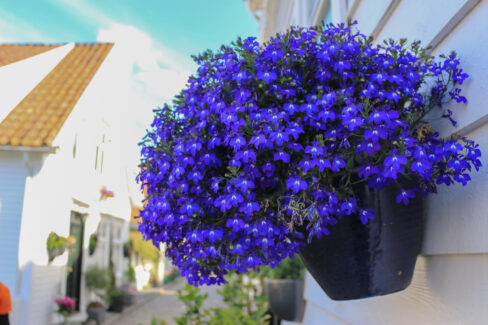
- Certain varieties have a trailing habit, making them perfect for hanging baskets.
- Hanging baskets are the best way to showcase the cascading types.
- Care requirements are the same regardless of the growth habit.
- Keep them well-fed with nutrients for the best blooms.
- On hot days, don’t be afraid to water twice.
- Always ensure good drainage to avoid root rot.