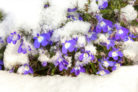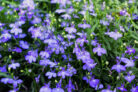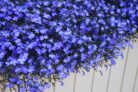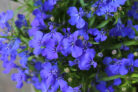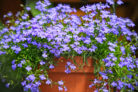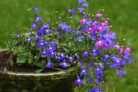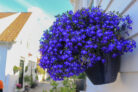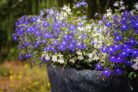
Whether you’re planting them in containers or directly in your garden beds, lobelias are absolute showstoppers. But to really see them shine, you’ve got to get their environment just right. In this guide, I’ll walk you through exactly what these blue beauties need to thrive in your yard.
What Lobelias Love: Sun and Shelter
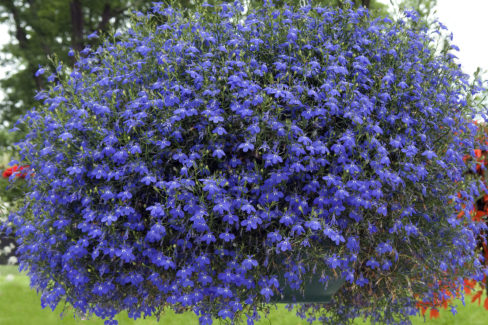
If you want that iconic carpet of deep blue flowers, you’ve got to give your lobelias plenty of sun and warmth. They are sun-worshippers! However, those delicate blooms have a bit of a downside: they’re pretty fragile. Make sure to pick a spot that’s sheltered from the wind, otherwise, those lovely flower stalks can snap pretty easily.
Pro Tip: If your yard is a bit breezy and you don’t have a protected corner, you can gently tie the trailing stems to a small stake to give them some extra support against those sudden gusts.
Garden Beds vs. Containers
The great thing about lobelias is that they aren’t picky about where they live—pots or garden soil, they’re happy either way! The care routine is mostly the same, but keep in mind that container-grown lobelias are a bit hungrier and thirstier. They need plenty of nutrients, so I recommend feeding them every two weeks. You also want to keep the soil consistently moist, but never soggy. To avoid root rot, make sure your garden soil is nice and loose, and always ensure your pots have good drainage holes.
A Quick Note on Winter
In most US growing zones, lobelias are treated as annuals because they just can’t handle the frost. Once the first freeze hits, they’ll usually die back, and you can clear them out of your garden beds. While you *can* try to overwinter them indoors, it’s honestly a bit of a headache. Since they’re so easy to grow from seed, I usually just recommend starting fresh every spring. Just wait until after the last frost (around Mother’s Day in many areas) to move them outside.
Best Garden Buddies
The vivid blue of the lobelia looks incredible when paired with other summer favorites. If you’re looking for some “plant pals,” try mixing them with:
- Petunias
- Geraniums
- Marigolds
- Rock Roses
- Scarlet Sage
- Bellflowers
- Chrysogonum (Green-and-Gold)
Pro Tip: Because they stay relatively low to the ground, lobelias are the perfect “filler” plants to tuck into any bare spots in your perennial beds.
A Safety Heads-Up
If you have little ones running around or curious pets, you’ll want to be extra careful about where you plant your lobelias. These plants (sometimes called “Edging Lobelia”) are actually toxic. To play it safe, try to place them in hanging baskets or spots that are out of reach for toddlers, dogs, and cats.