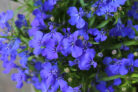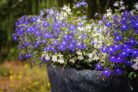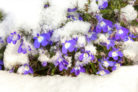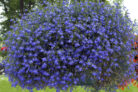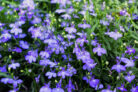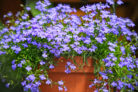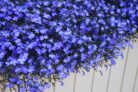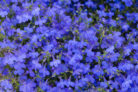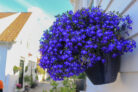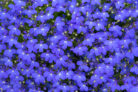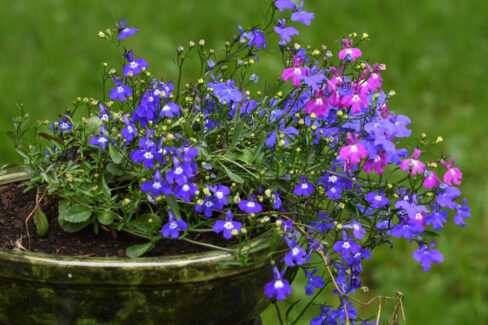
The Blue Lobelia (often called Edging Lobelia) is a total garden favorite, but most of us only get to enjoy those stunning blue blooms for a single summer. Usually, these beauties are treated as annuals and tossed once the frost hits. However, if you’re like me and hate saying goodbye to a healthy plant, you might be wondering: can you actually overwinter them? Let’s dig into how you can keep your Lobelia going.
Lobelia in the Winter
Blue Lobelia absolutely loves the sun. In its native home of South Africa, it thrives year-round, but things are a bit different here in the States. Generally speaking, Lobelia isn’t hardy. Unless you live in a very mild climate (think USDA Zone 10 or higher), it won’t survive a typical winter outside. That’s why most garden centers sell them as annuals. But, if you have perennial varieties, you can definitely try to save them for next year.
How to Overwinter Your Lobelia
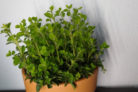
If you’re lucky enough to live in a warm region, you might get away with leaving them in the ground with some heavy frost protection. For the rest of us, your best bet is moving potted plants indoors. A frost-free spot is a must—an unheated greenhouse or a bright, cool garage is perfect. Basically, any spot that stays bright and cool but never dips below freezing will work. Just a heads-up: a typical heated living room is usually too warm for them to survive the winter.
The “sweet spot” for temperature is between 40°F and 50°F (5 to 10°C). Even though the plant is resting, it still needs plenty of light. You can skip the fertilizer for now since it’s not in a growth phase, but keep an eye on the water—give it a drink just often enough so the soil doesn’t bone-dry. It’s also a good idea to trim back any withered or dead bits before moving it to its winter home.
Starting Fresh: Sowing Seeds
Let’s be real: overwintering can be a bit of a chore. If you’d rather start fresh, you can get a head start on summer by starting seeds indoors as early as January. All you need are some seeds, seed trays, and a good potting mix. With a little TLC, those seeds will turn into sturdy young plants ready to burst into color once the weather warms up.
Overwintering Blue Lobelia: Quick Checklist
- Most varieties are not winter-hardy.
- Outdoor overwintering only works in very specific, warm climates.
- Potted plants do best in a cool, bright indoor spot.
- Aim for temperatures between 40°F and 50°F.
- Dial back the maintenance (no fertilizer, minimal water).
- Many gardeners find it easier to just start new plants from seed each year.