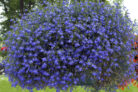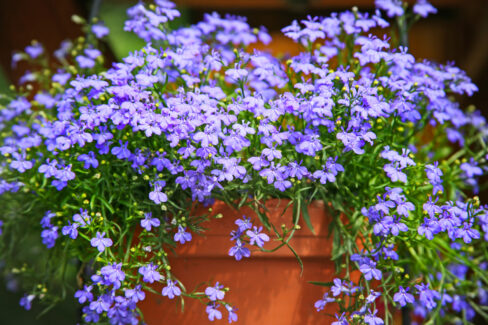
Most gardeners know the Blue Lobelia (often called Edging Lobelia) for its stunning carpet of blue and purple flowers. It’s a total classic for adding a pop of color to your window boxes and is surprisingly low-maintenance. While you don’t always need to reach for the shears, there are a few times when a quick trim can work wonders.
To Prune or Not to Prune?
Honestly, Lobelia is a dream for any home gardener because it’s so easygoing. As long as you give it the right spot, a little fertilizer, and keep it well-watered, it’ll be the star of your balcony. You can pinch off faded blooms whenever you see them, but a heavy pruning isn’t usually part of the daily routine. However, there are a few specific moments when a haircut is exactly what the plant needs.
Giving a Tired Plant a Second Wind
Typically, these beauties bloom from June all the way through October. But sometimes, the summer heat gets to them, and they start looking a little “tired” or stop flowering mid-season. If your Lobelia is looking a bit scraggly, don’t be afraid to get bold! You can cut the plant back by a third or even a half. This “tough love” approach often triggers a fresh growth spurt and a second wave of gorgeous flowers.
Pruning for Plant Health
Lobelias are pretty hardy, but if they do get sick, it’s usually due to a little too much moisture or a hiccup in care. Pruning is often your best defense here. Keep an eye out for Tospoviruses, which show up as weird purple leaves or white spots. If you see that, grab your garden shears immediately and snip off the affected areas. You should do the same if you notice any fuzzy mold or fungal growth to keep it from spreading.
Cutting Back Lobelia: The Quick Essentials
- Regular pruning isn’t strictly necessary for a healthy plant.
- Feel free to deadhead (remove wilted parts) whenever you have a spare moment.
- Sometimes a “reset” cut is just what the doctor ordered.
- A heavy trim can encourage a struggling plant to bloom a second time.
- Don’t be shy—you can cut the plant down to about half its size.
- If you’re dealing with fungus or viruses, pruning is often the only way to save the plant.
- For perennial varieties, it’s a smart move to cut them back before overwintering them indoors.