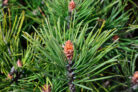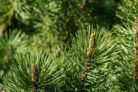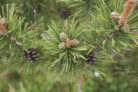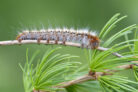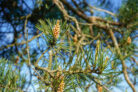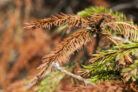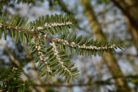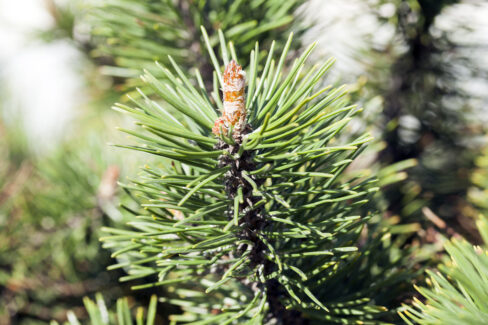
Pine trees are incredibly tough and adaptable, but even these hardy evergreens can run into trouble sometimes. If your pine is looking a little under the weather, don’t worry—I’ve got you covered. Here’s how to spot the most common pine diseases and what you can do to get your tree back to its healthy, vibrant self.
How to Tell if Your Pine Tree is Sick
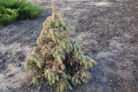
The best way to check on your pine’s health is to take a close look at its needles and bark. If the needles are turning strange colors or you notice an unusual amount of resin oozing from the trunk, your tree might be struggling. Keep an eye on the new growth and the overall color of the needles to catch problems early.
The most common issues you’ll run into are:
- Pine Needle Cast
- Lime-Induced Chlorosis
- Scleroderris Canker
Identifying and Treating Pine Needle Cast
Pine needle cast is caused by a fungus called *Lophodermium seditiosum*, and it’s especially tough on younger trees. If you notice your pine shedding needles in the spring or see yellow spots popping up, you’re likely dealing with this fungus. To fix it, start by removing any infected needles and disposing of them in a sealed trash bag (don’t compost them!). Then, apply a fungicide to help stop the fungus from spreading and keep your tree growing strong.
How to Fix Lime-Induced Chlorosis
If your pine’s needles are looking pale or yellow, it might actually be an iron deficiency known as Lime-Induced Chlorosis. This usually happens if the soil at your pine’s location is too alkaline or has too much lime. Even watering your tree with “hard” tap water (which is high in lime) can trigger it. To get those needles green again, try fertilizing with Epsom salts or iron chelates. Moving forward, try to water your tree with rainwater or filtered water whenever possible.
Dealing with Scleroderris Canker
Scleroderris canker is another fungal infection, and it’s a common sight on Mountain and Scots pines. You’ll know it’s there if the needle tips and new shoots start dying off. To stop it in its tracks, prune away the affected branches and, if local laws allow, burn the infected wood to prevent the spores from spreading. Just a heads-up: using fungicides isn’t permitted for treating this specific disease, so pruning is your best line of defense.