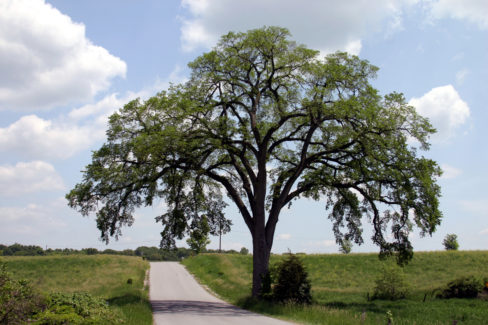
Generally, No Pruning is Necessary
The elm is one of the giants of the deciduous world, and in the wild, it gets along just fine without ever seeing a pair of shears. However, if you’ve got an elm growing in your own backyard, there are a few situations where a regular trim isn’t just a good idea—it might actually be necessary.
The Best Time to Prune
Timing is everything when it comes to pruning! You don’t want to hack away at the wrong time of year. Ideally, you should trim back branches before the new growth starts; otherwise, you risk cutting off those beautiful flower buds or developing fruits. Aim to get your pruning done early in the year, specifically in February or March.
Why You Might Need to Prune
Even though elms don’t *require* a haircut to survive, there are a few big reasons why you might want to step in. These include:
- Keeping growth in check or managing heavy, overhanging branches.
- Dealing with pests or disease.
Keeping Growth Under Control
Elms are vigorous growers. They don’t just reach for the sky; they also develop massive, spreading crowns. If those branches start creeping over your neighbor’s property line or become a safety hazard, it’s time for a generous cutback.
Interestingly, regular light pruning won’t thin out the tree. In fact, it does the opposite—it encourages the tree to grow even denser, bushier branches. Just make sure you’re also regularly clearing out any old or dead wood to keep the tree healthy.
Dealing with Pests and Disease
Most pest infestations or diseases can be managed by simply removing the affected parts of the plant. If you see diseased leaves, shoots, or branches, don’t hesitate to prune them back aggressively to save the rest of the tree.
Pruning Elm Bonsai
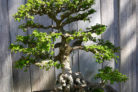
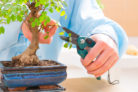
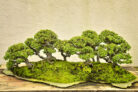
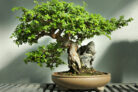
If you’re growing an elm as a bonsai, regular pruning is a must. It’s the only way to maintain that iconic, compact shape. When pruning a bonsai, you’ll need to do a structural “base cut” for the shape, followed by regular maintenance trims. The Chinese Elm, which is the most popular variety for bonsai, is incredibly hardy and very forgiving if you happen to make a mistake with your shears.
Root Pruning
Smaller elm varieties kept in containers—and especially bonsai—really benefit from a regular root trim. Usually done when you’re repotting the tree, this involves clearing out old, dried-up roots and slightly shortening the healthy ones. This little trick helps keep the tree’s overall size manageable and prevents it from outgrowing its home too quickly.