Pine trees are a staple of our landscapes, and for good reason—they’re generally tough-as-nails and aren’t too picky about where they grow. But even the heartiest pine can run into trouble when certain fungi decide to move in. If your tree is looking a little under the weather, don’t panic! I’m going to walk you through how to spot the signs of a fungal infection and, more importantly, how to fix it.
How to Spot a Fungus Among Us
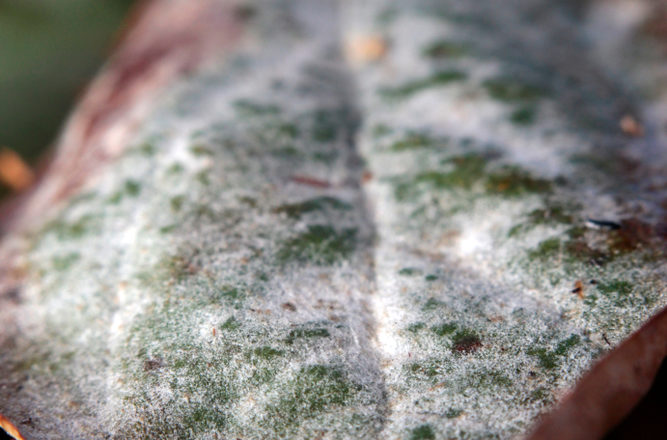
When a fungus hitches a ride on your pine tree, it usually leaves a few “calling cards.” Keep an eye out for needles turning yellow or brown, or new shoots that look stunted and sickly. You might also notice an unusual amount of sticky resin oozing from the trunk. If you see these signs, it’s time to take a closer look.
Here are the most common culprits you’ll run into:
- Pine Needle Cast (Lophodermium seditiosum)
- Diplodia Tip Blight (Sphaeropsis sapinea)
- Cenangium Dieback (Cenangium ferruginosum)
If you notice an infection, you’ve got to act fast. Even if your tree is in the perfect spot, these fungi will slowly drain its energy. By jumping in early, you’ll help your pine recover and—just as importantly—prevent the fungus from spreading to every other tree in the neighborhood. Trust me, you don’t want a localized outbreak on your hands!
Identifying and Treating the Problem
Pine Needle Cast usually starts with yellow spots on the needles. Before long, those needles turn brown and start dropping off. To handle this, clear away any fallen brown needles from the base of the tree and apply a protective fungicide. This should send the fungus packing and give your tree the boost it needs to bounce back.
Cenangium Dieback is a bit more dramatic. You’ll see needles falling off and tiny black fungal bodies appearing on the bark, followed by branches dying back. The trick here is to keep the tree well-watered and keep an eye out for pests like the pine needle gall midge, which can weaken the tree further. Prune away any infected branches, and soon enough, you’ll see fresh new needles starting to sprout.
Diplodia Tip Blight shows up as dead buds and a lot of excess resin. You might even notice the wood turning a bluish tint or needles browning at the tips. If this is what you’re dealing with, make sure to give your pine plenty of water and prune back any diseased branches. Since this fungus loves moisture, try to improve air circulation around the tree to lower the humidity. With a little TLC, your sick pine will be back to its old self in no time.