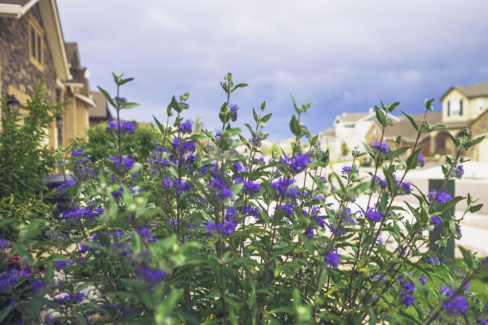
To get those stunning blue blooms in August, your Bluebeard (Caryopteris) needs more than just a little TLC—it needs the perfect home in your garden. Since these beauties are only moderately hardy, it’s best to wait until after the last spring frost in May before you start planting.
What’s the best spot for a Bluebeard?
Think sunny and warm! Since the original varieties hail from East Asia, Bluebeard thrives in full sun. A spot that’s protected from harsh winds is even better. This woody perennial grows to about three feet tall and is incredibly versatile. It looks right at home in rock gardens, perennial borders, or even prairie-style landscapes. For a real showstopper, try pairing the vibrant blue flowers with roses or ornamental grasses.
What should you look for in the soil?
If there’s one thing Bluebeard hates, it’s “wet feet.” Drainage is key, so make sure your soil is loose and airy. If your garden has heavy clay, you can mix in some sand or fine gravel to lighten it up. In fact, these plants actually prefer sandy or gravelly soil. When picking a spot, try to think ahead to winter: you’ll want a location that stays relatively dry and is shielded from icy winter gusts.
How do you handle the winter months?
Bluebeard becomes more cold-tolerant as it gets older, but young plants are pretty sensitive to frost. If your plant is still a “baby,” it’s safest to let it overwinter in a frost-free room. Just make sure it’s not a pitch-black basement—this plant still likes a bit of light, even during its winter nap.
Once your Bluebeard is established, it can stay outside for the winter as long as you give it some protection. A thick layer of mulch, dry leaves, or evergreen boughs will help keep the root ball from freezing. Just make sure the plant can still breathe! Remember, excessive moisture often does more damage than the cold itself, but you should still try to block those freezing north-easterly winds.
Quick Summary:
- Ideal location: Full sun and warm
- Best soil: Slightly acidic to alkaline, loose, and well-draining (sandy or gravelly is great!)
- Avoid: Standing water and deep shade
- Winter care: Protect from frost and excess moisture
- Spring task: Prune it back to encourage fresh growth
Pro Tip: Bluebeard does fantastic in containers! It’s a magnet for bees and butterflies, making it a perfect addition to your patio or balcony.