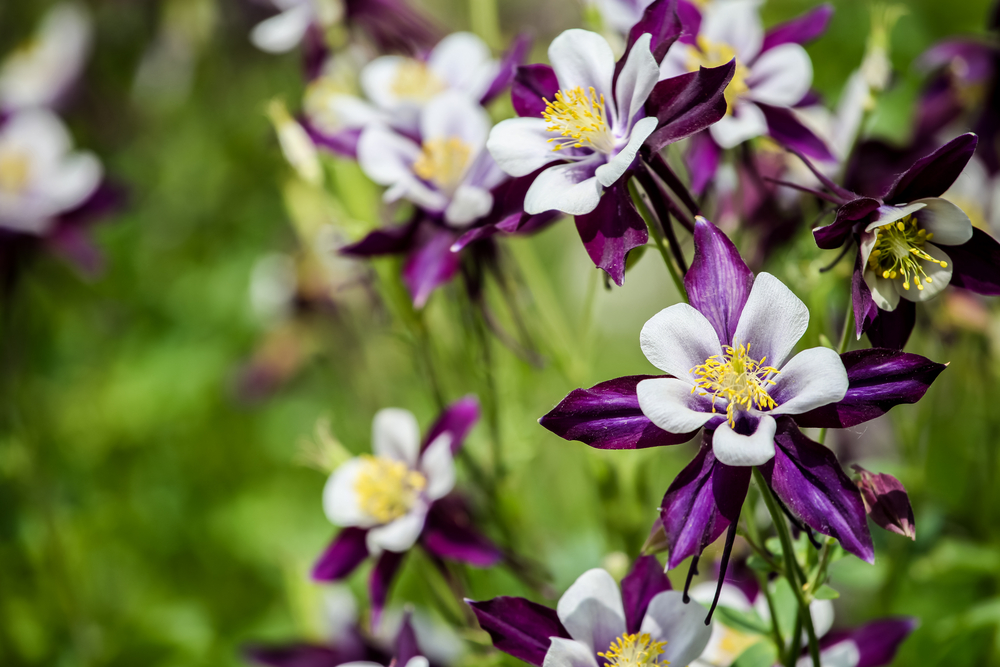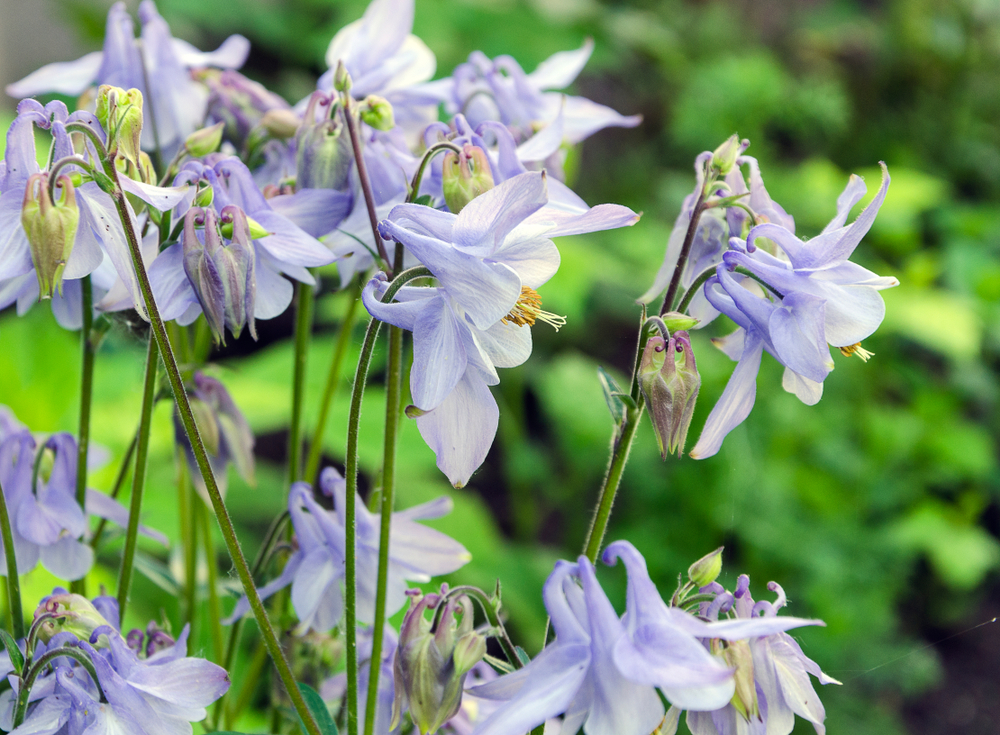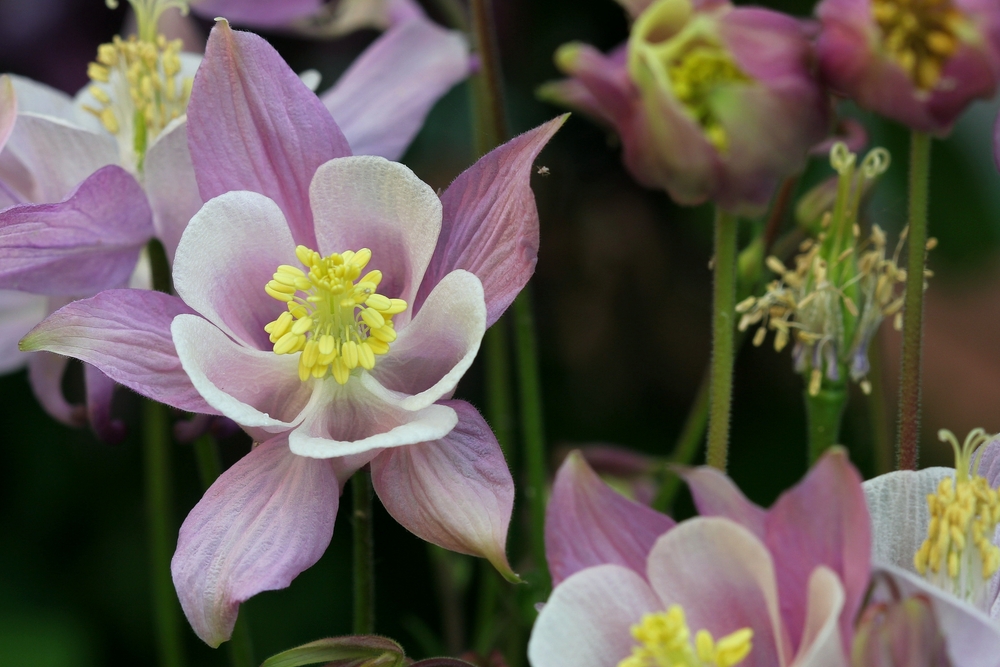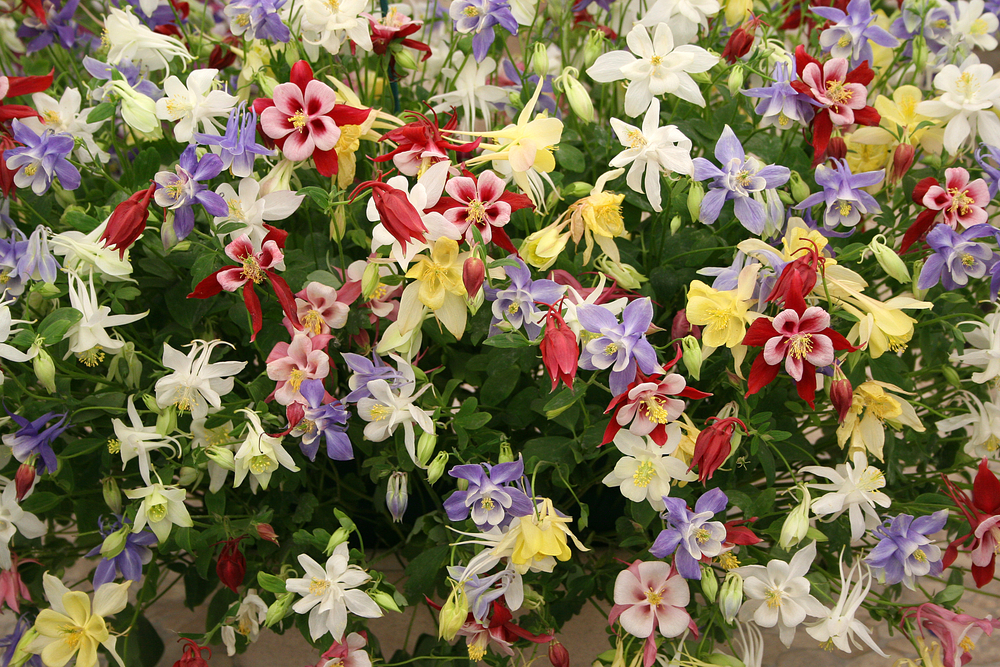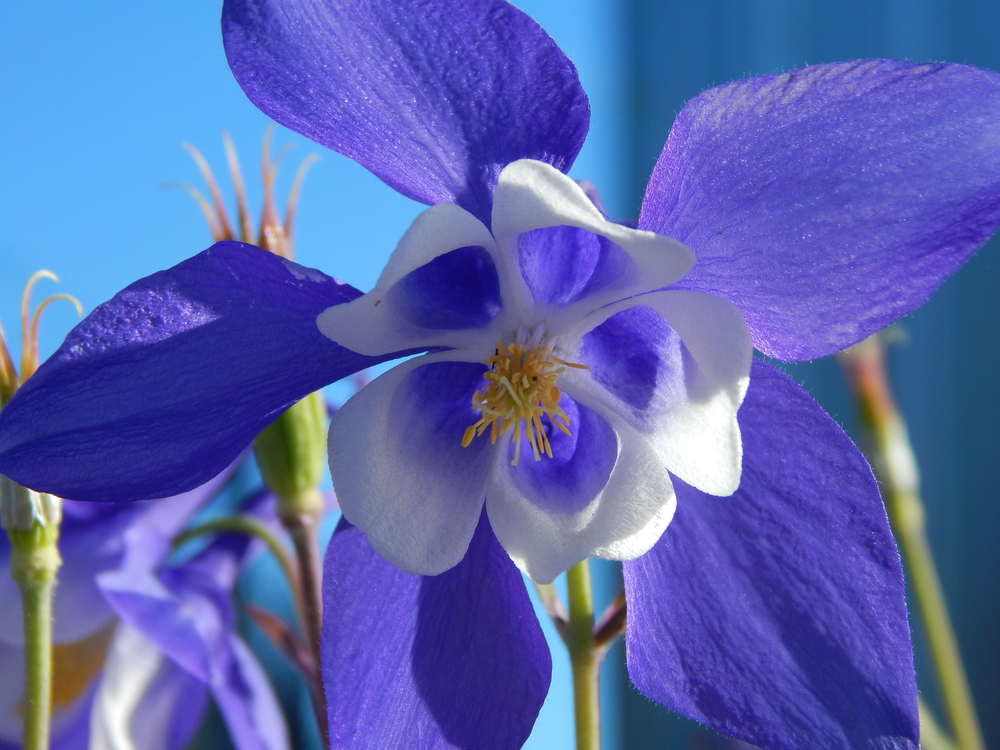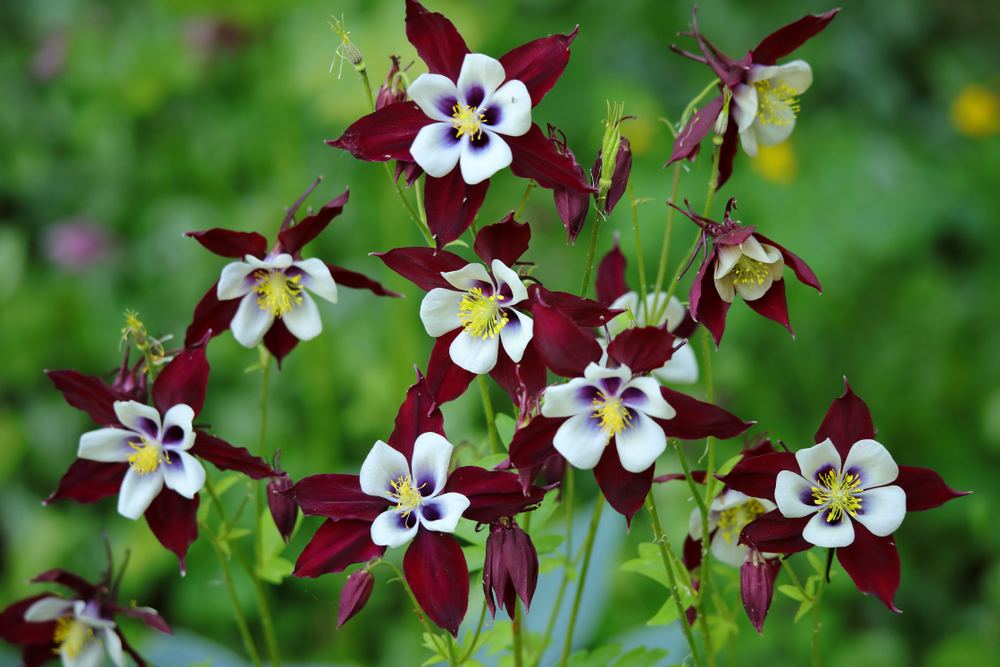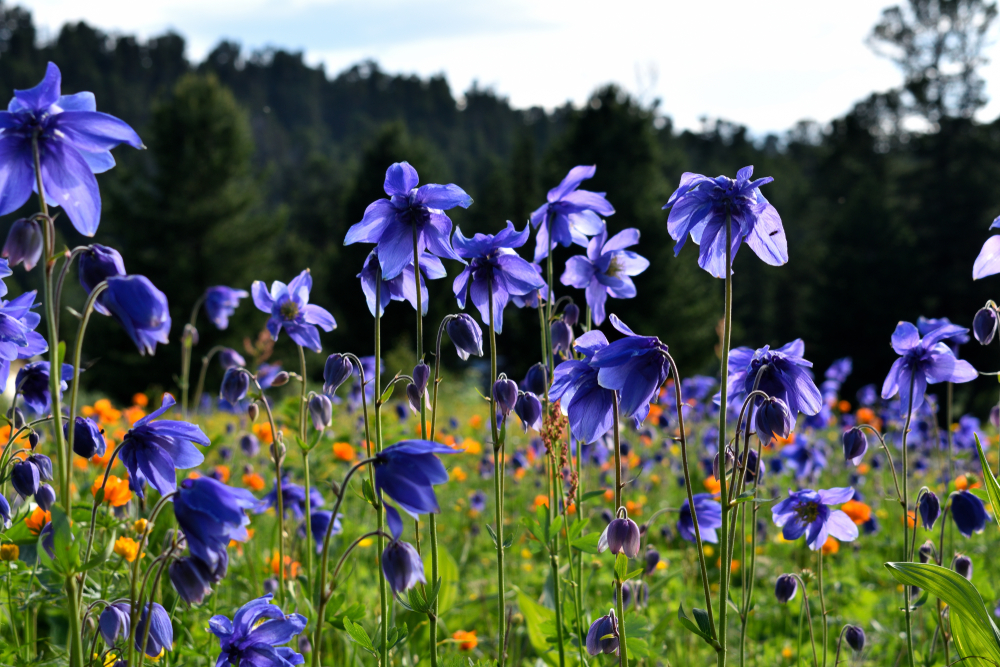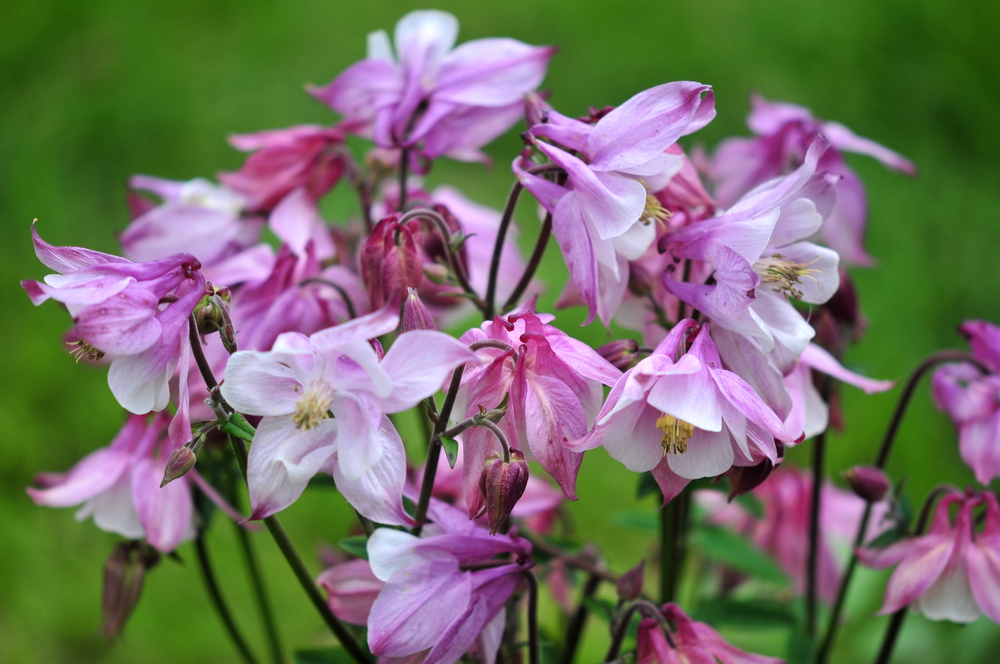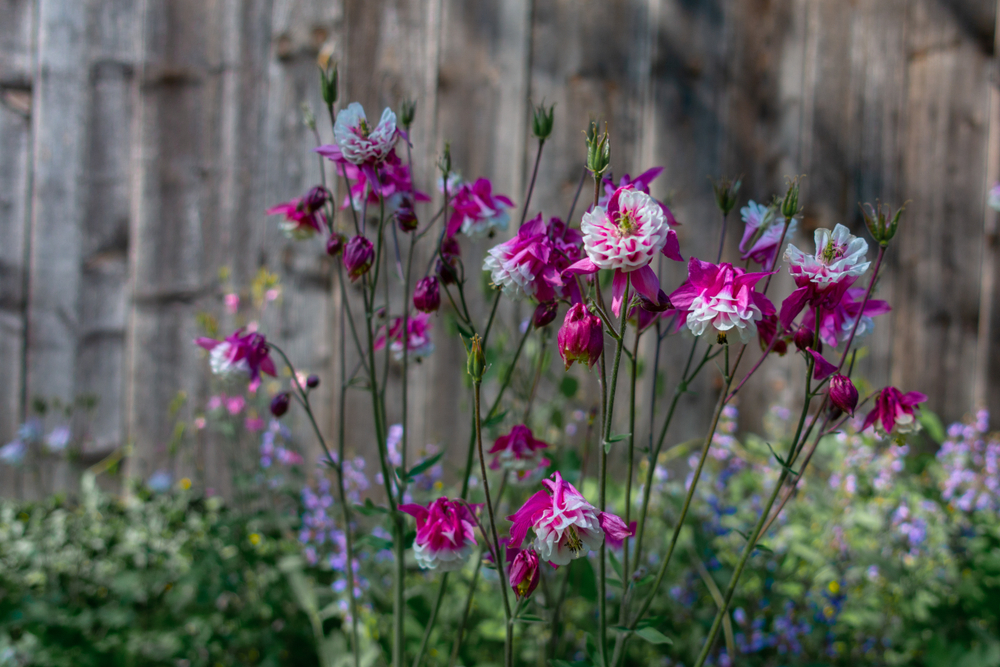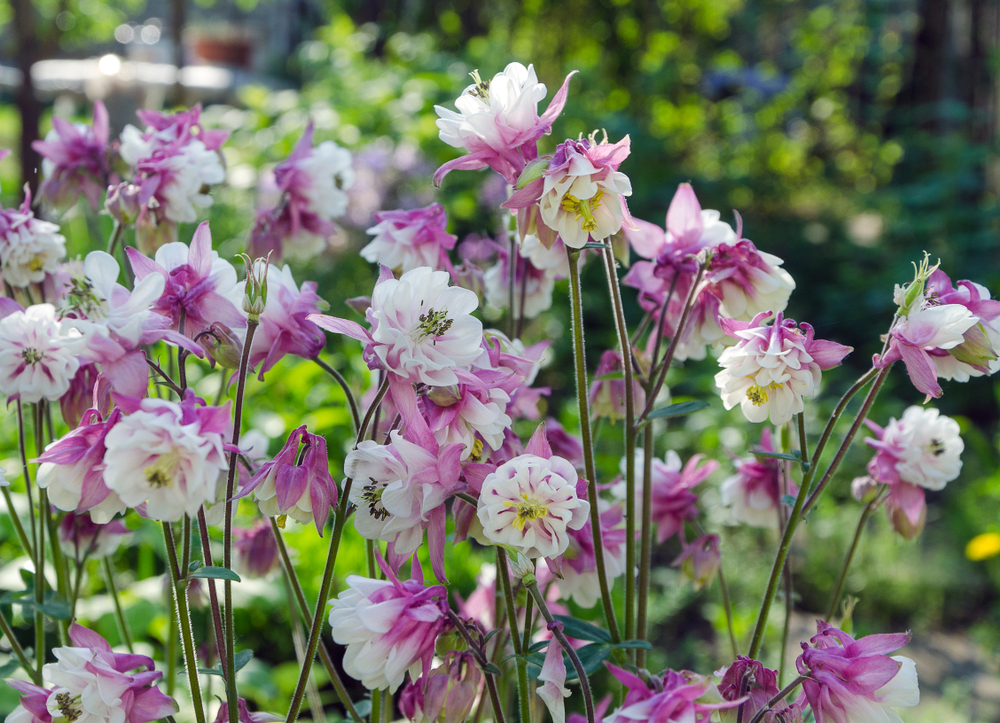
Columbines are absolutely enchanting perennials with their delicate, almost otherworldly blooms, but they usually only provide that pop of color until mid-summer. Once the flowers fade, the seed pods start to take over. If you want to keep your garden from being overrun by “volunteer” seedlings, now is the perfect time to grab your shears.
Why should you prune your Columbine?
After the blooming season, these plants produce long seed capsules on tall stems. Inside, you’ll find countless tiny, oval seeds. As soon as those capsules dry out, they pop open, and the wind scatters the seeds all over your yard. While that sounds poetic, it means that by next spring, you’ll have columbines popping up everywhere. Plus, columbines are notorious for cross-breeding; if you let them self-seed, you’ll eventually lose the specific varieties you planted as they blend into wilder forms. If you want to keep things orderly and true-to-type, pruning is the way to go.
Besides stopping a seed explosion, there are a few other great reasons to prune:
- Extend the blooming season: If you deadhead the faded flowers right down to the base early enough, you might even get a second flush of blooms in the fall.
- Winter prep: Cutting back withered stems and dried-out shoots in the fall helps the plant retreat into the soil and store energy for the winter.
- Health check: Removing dry or diseased parts keeps the plant strong and prevents issues like powdery mildew from taking hold.
How to prune correctly
Generally, you’ll want to do your main pruning in the fall or early spring before new growth starts. Cut everything dry and withered right down to the ground. For thicker stems, try cutting at a slight angle so rainwater can slide off instead of pooling on the cut. Always use clean, sharp, and ideally disinfected shears. One pro tip: wear gardening gloves! Columbines are actually toxic, and the sap can cause skin irritation for some people.
Caring for your Columbine
These hardy perennials are pretty low-maintenance. During the blooming phase, just make sure they get enough water—but be careful not to overdo it. They hate “wet feet” (standing water), which can stunt their growth or lead to root rot. If your columbine is in a spot it likes, a little fresh compost every now and then is all the fertilizer it needs. As for winter protection? If they’re in the ground, a layer of fallen leaves is usually plenty. Only plants in containers need a bit of extra help, like some brushwood or extra mulch, to get through the frost.