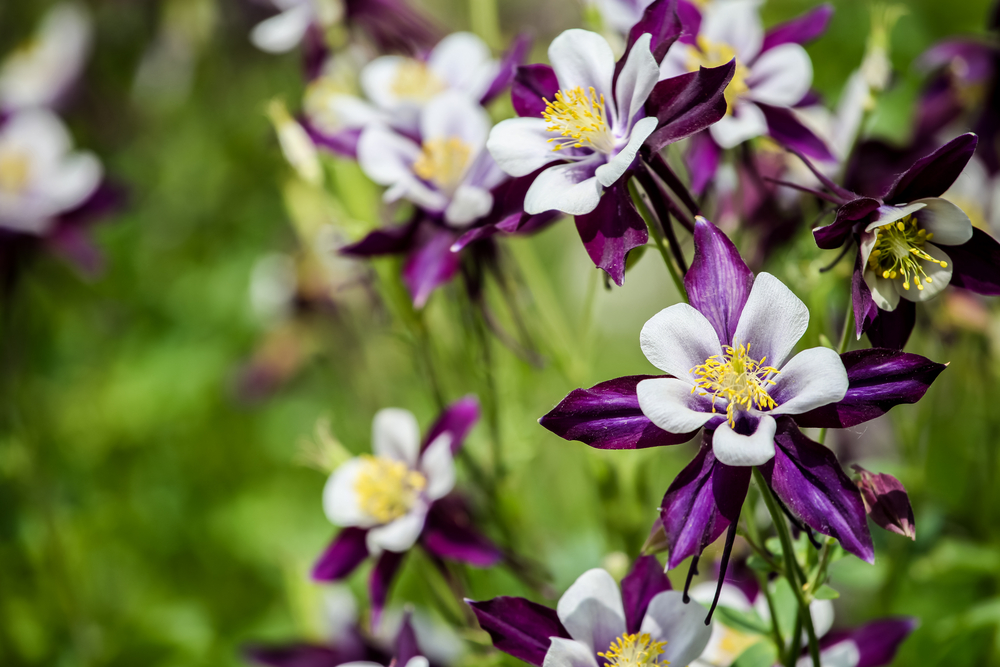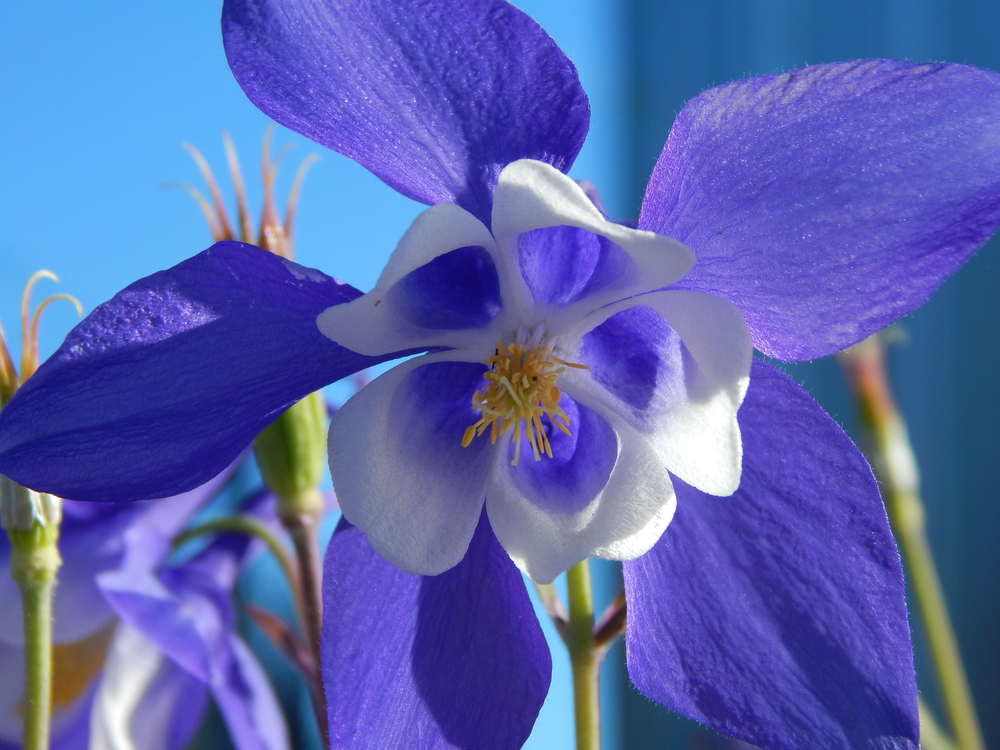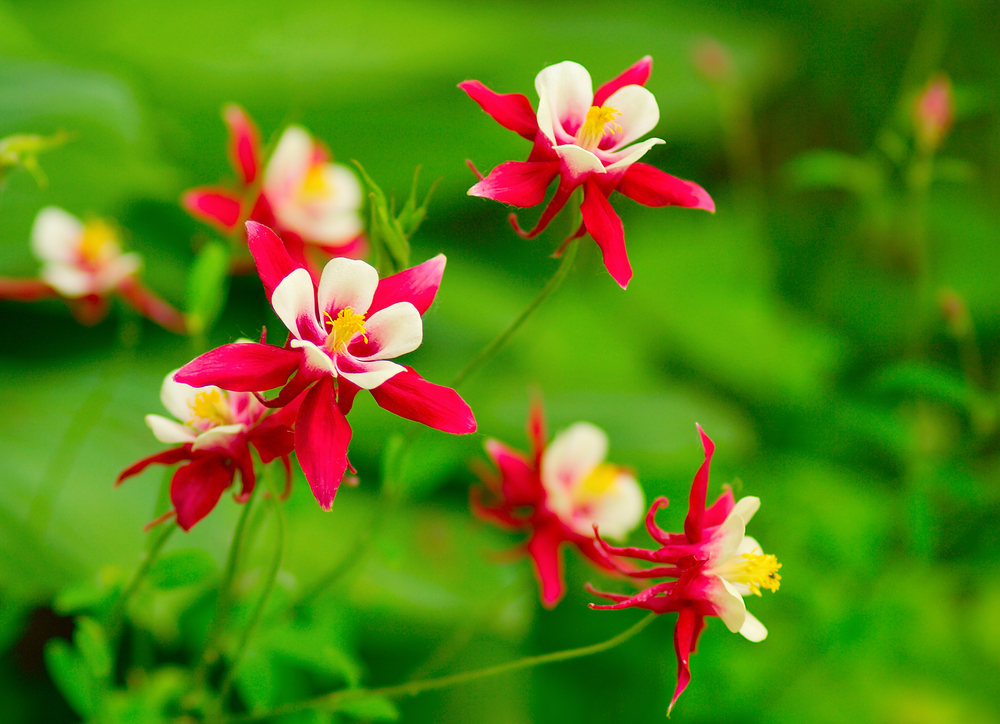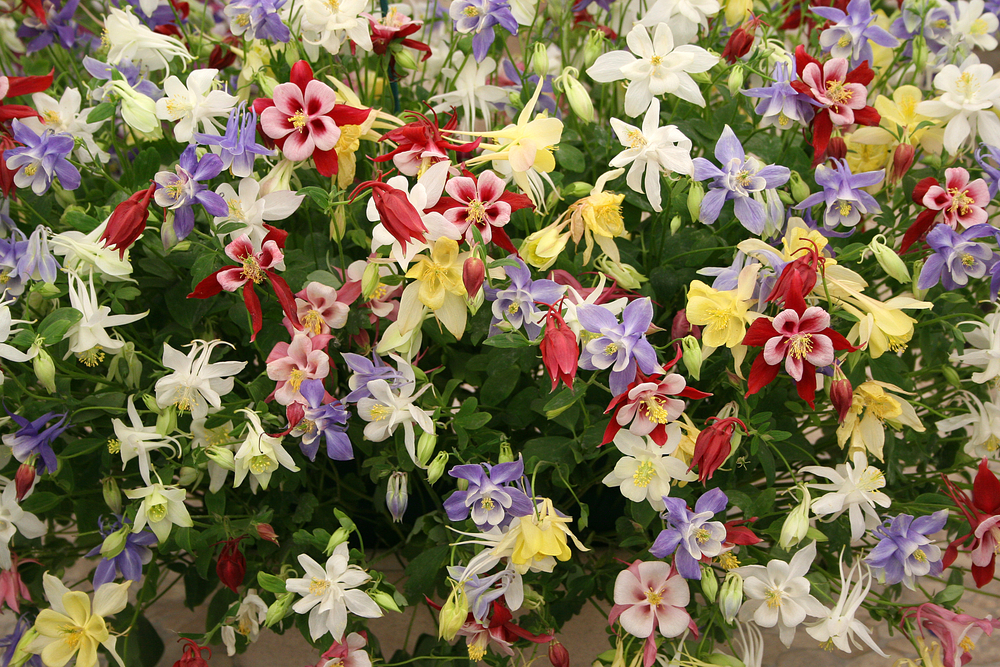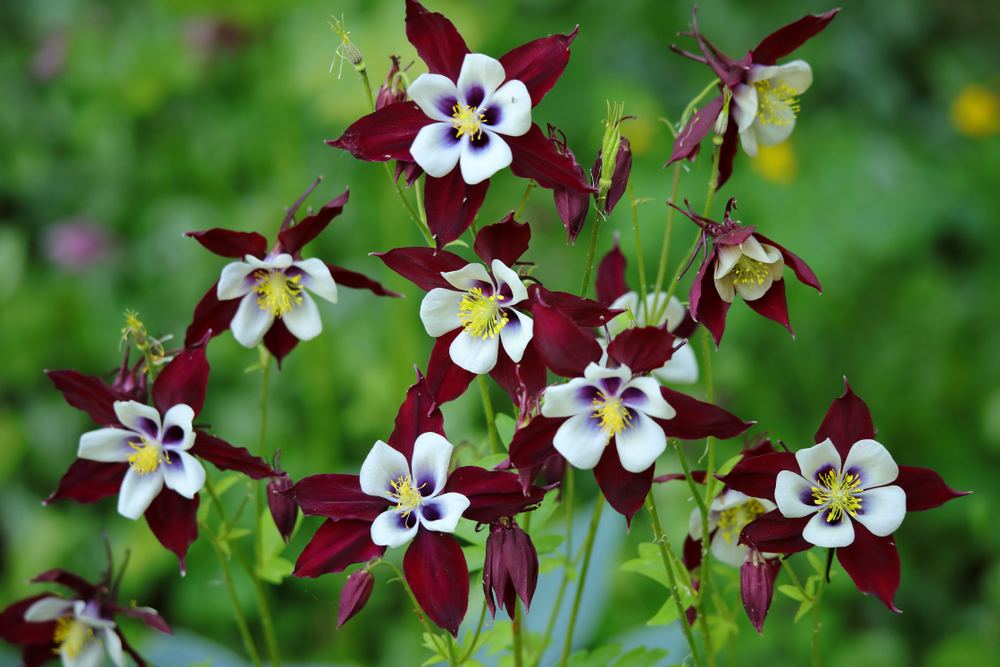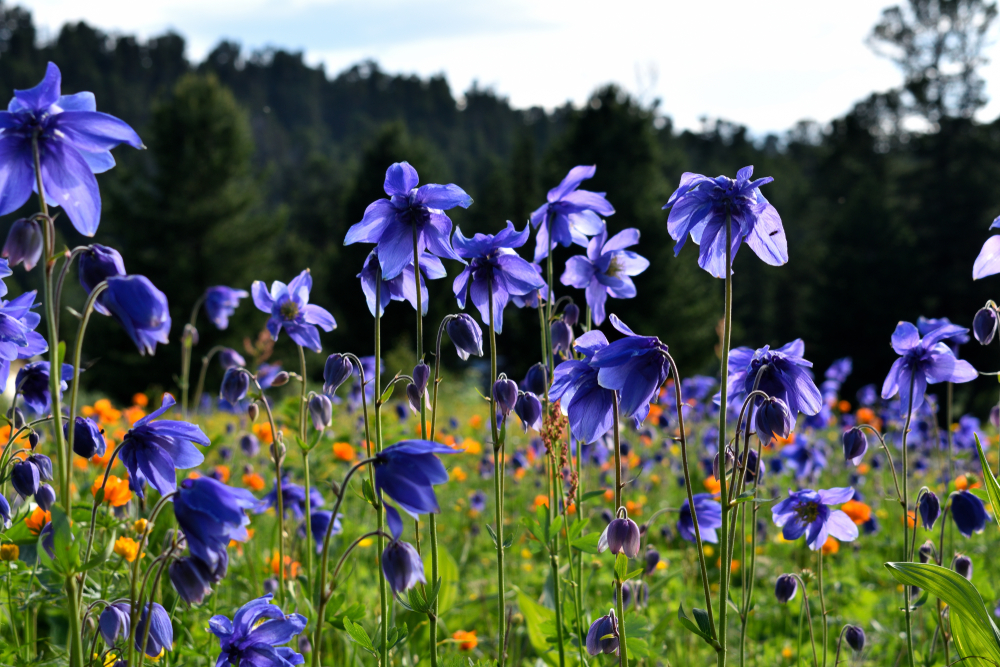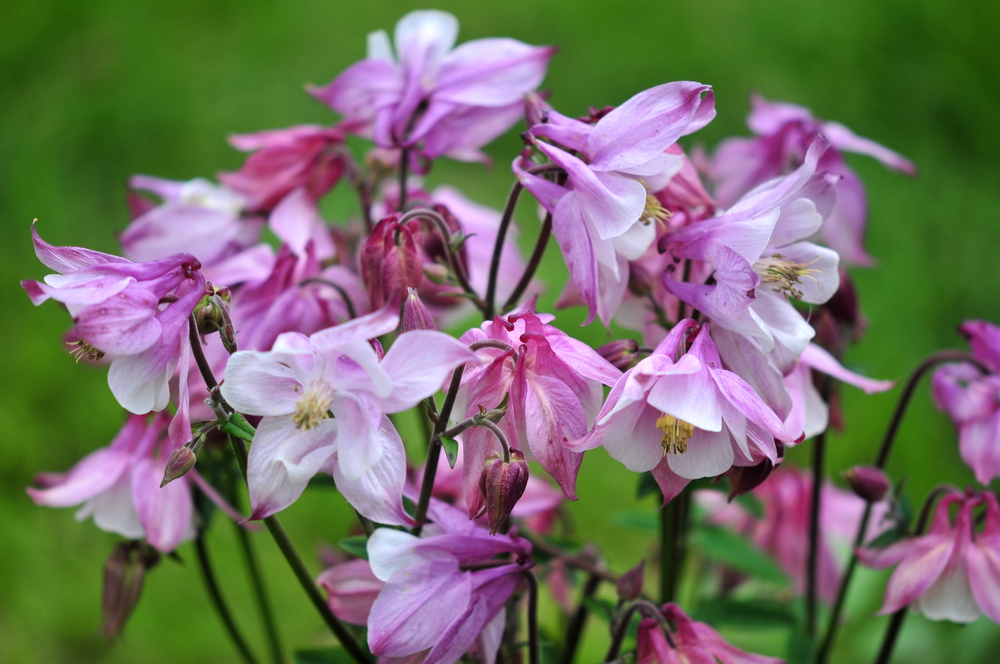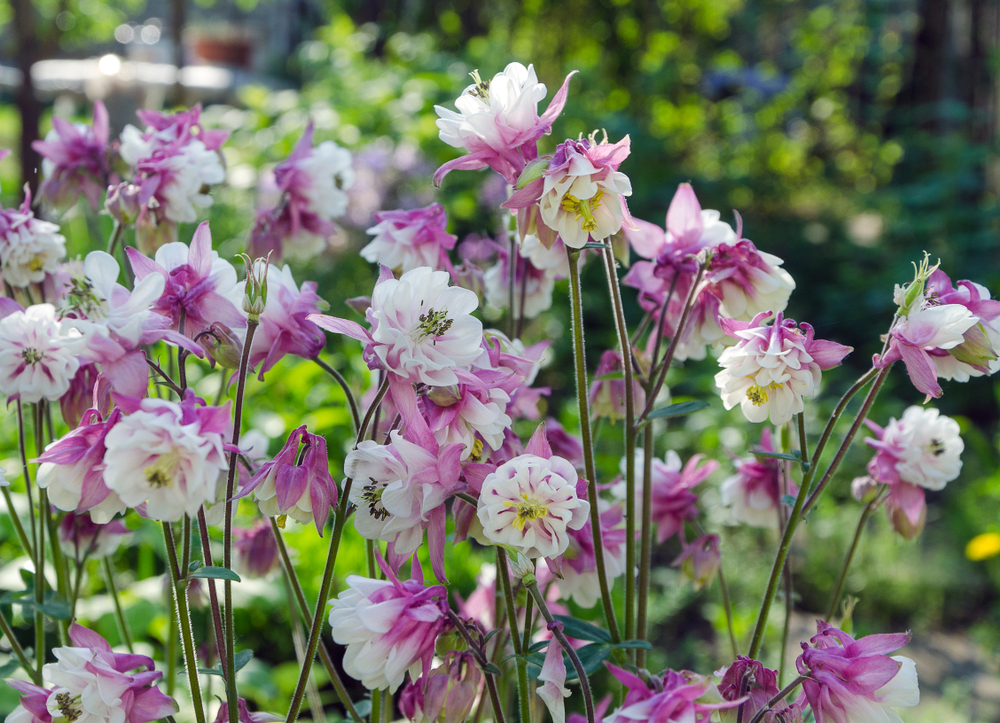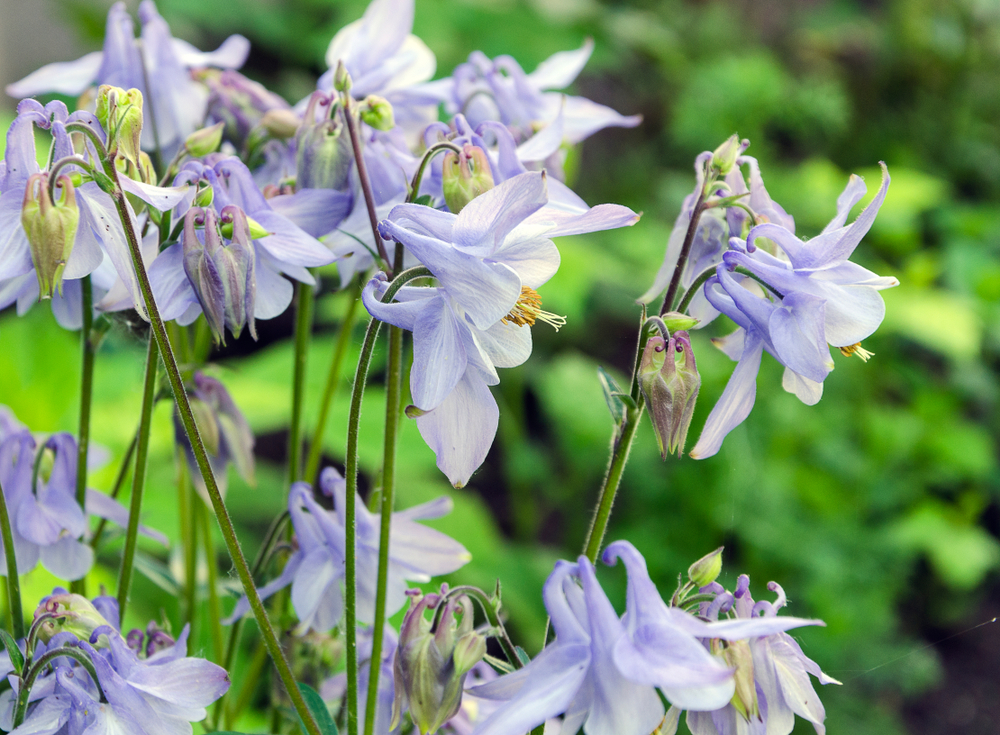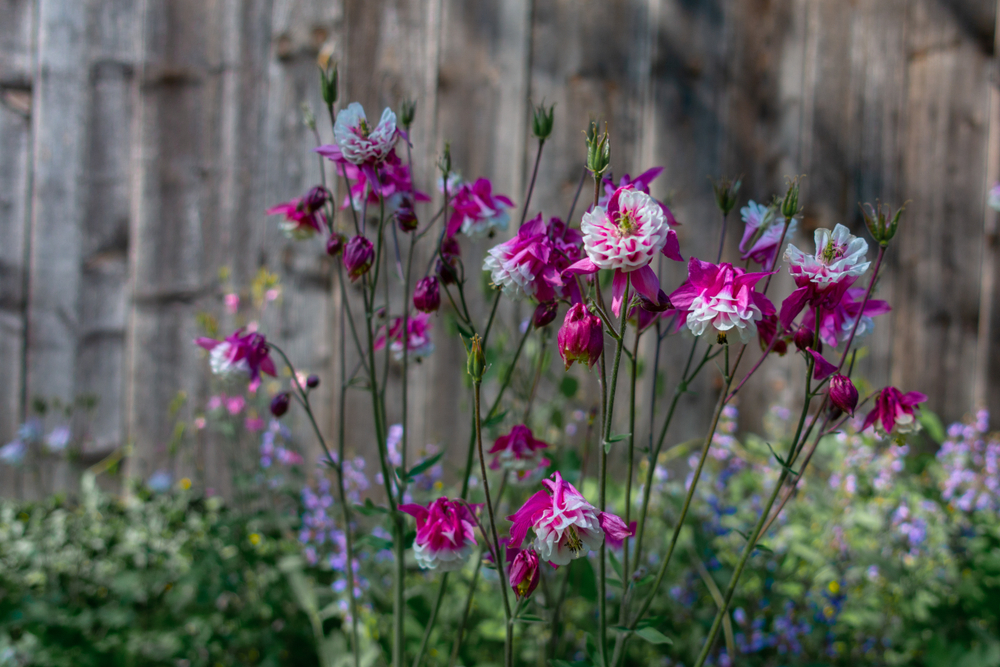
Columbines are those gorgeous, hardy perennials that every gardener loves—but boy, can they spread! If you let them go to seed, you’ll have a whole colony of babies in no time. The good news is that when they’re still small, they’re super easy to move around. This lets you keep them exactly where you want them and clear them out of spots where they’re just getting in the way.
Why You Might Need to Move Your Columbines
Aside from them popping up in random places thanks to self-seeding, there are a few other reasons you might want to give your columbines a new home:
- Other perennials are crowding them out or competing for space.
- The soil is staying too soggy (they hate wet feet!).
- It’s either too shady or too sunny, and the plant is looking a bit pathetic.
- They’ve self-seeded so thickly that they’re choking each other out.
- Safety first: Since columbines are toxic, you might want to move them away from paths where kids or pets might munch on them.
- The plant has grown into a massive clump and is ready to be divided.
When and How to Transplant
The absolute best time to move a columbine is in the early spring, right before the new growth really takes off. If you miss that window, early fall (after they’re done blooming) is your next best bet. Before you grab your shovel, make sure you’ve picked out a great new spot. They thrive in partial shade—think under tall shrubs or along the edge of a wooded area. Here’s how to get the job done:
- First things first: Put on your gardening gloves. Every part of the columbine is toxic, so you want to protect your skin.
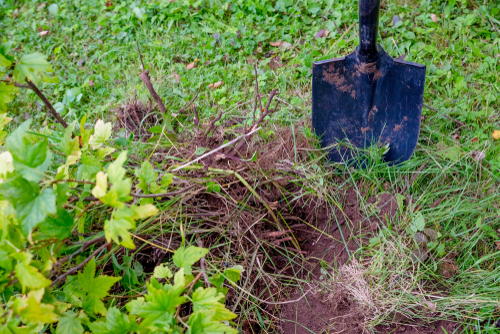
- Dig a hole that’s about twice as wide as the root ball.
- Loosen up the soil in the hole really well.
- Mix in a healthy scoop of compost to give the plant a nutrient boost.
- Use a garden fork to lift the plant. This helps you get deep under those long roots without snapping them.
- Trim away any roots that look damaged, dried out, or mushy.
- Set the plant in its new home and fill it back in with soil.
- Give it a nice, long drink of water right away.
Aftercare Tips
Moving is stressful for plants! For the first few days, keep a close eye on your columbine to see if it’s wilting or if the stems are flopping over. You’ll need to keep the soil consistently moist—especially if the weather is dry—to help those roots settle in. Because transplanting can stress the plant out, it might be a bit more vulnerable to pests for a while, so do a quick “bug check” every few days until it looks happy and established again.