Not everyone has a basement or a heated greenhouse to stash their plants when the temperature drops. Luckily, plenty of balcony plants are tough enough to stay outside all winter long! We’ve rounded up seven of the most popular hardy container plants that can handle the chill, plus one of our favorite “insider secret” picks.
[[pflanzen]]
++Beautyberry (Callicarpa bodinieri var. giraldii ‘Profusion’)
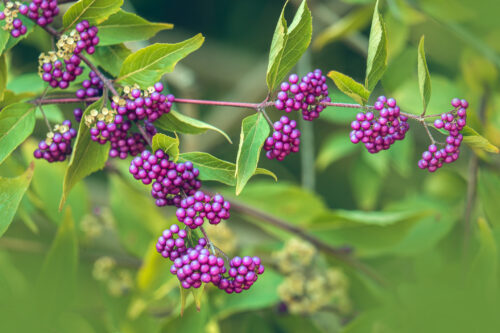
Thanks to its compact size, this shrub is a perfect fit for a balcony or patio. During the summer, it keeps things lush with its dark green foliage and subtle lilac flowers. But the real show starts in September when the metallic-purple berries ripen. They look like little jewels against the leaves and—here’s the best part—they stick around long after the plant has dropped its leaves for the winter, giving you a pop of color in the middle of January.
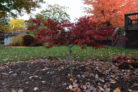
++Black Chokeberry (Aronia melanocarpa)
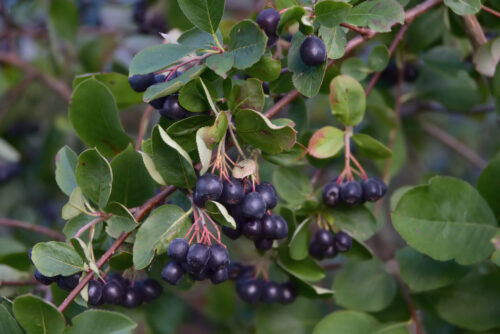
The Chokeberry is a total overachiever: it’s low-maintenance, incredibly frost-hardy, and produces superfood berries packed with vitamins. In May, you’ll get clusters of pure white flowers, which eventually turn into dark fruit. They’re ready to harvest once they’re fully colored. This shrub is a real head-turner in the fall when the deep green leaves shift into a brilliant, fiery red. While it can reach six feet in the ground, it usually stays much more manageable in a pot.
++Russian Sage (Perovskia atriplicifolia)
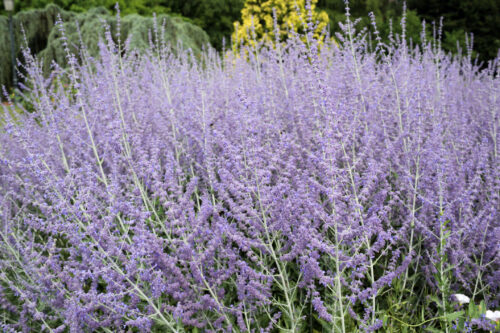
If you want a plant that works hard from mid-July through October, look no further. Russian Sage produces airy, violet-blue flower spikes that can grow up to 20 inches long. Bees and butterflies absolutely love the nectar. Since it’s originally a steppe plant, it loves the sun and handles drought like a pro. It’s also very winter-hardy. If you notice any winter dieback in the spring, just give it a good prune and it’ll grow back bushier than ever.
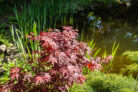
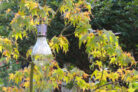
++Japanese Maple (Acer palmatum)
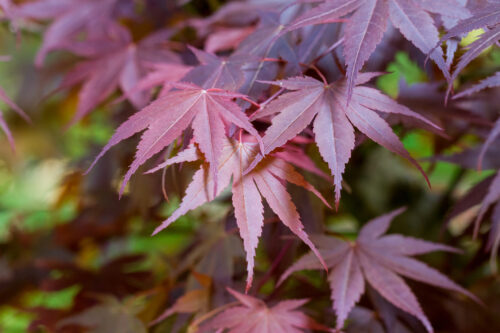
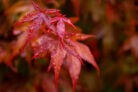
With its delicate, airy look, the Japanese Maple is a classic choice for container gardening. It’s a showstopper in the fall when the leaves turn vibrant shades of yellow, orange, or red. Coming from the cold mountain regions of Japan, it’s naturally hardy and can handle low temperatures. However, for container plants, it’s a good idea to move the pot to a sheltered spot and wrap it in some burlap or frost fleece to protect the roots from deep freezes.
++Bluebeard (Caryopteris x clandonensis)

Growing to about three feet tall, this shrub is a great hardy option for smaller balconies. From July until the first frost, it’s covered in dark blue flowers that have a lovely scent that pollinators can’t resist. Bluebeard is hardy down to about 5°F (-15°C) in a pot. Just make sure to protect the root ball by wrapping the container in a jute bag and placing it against a house wall to block those biting winter winds.
++Red Robin Photinia (Photinia x fraseri)
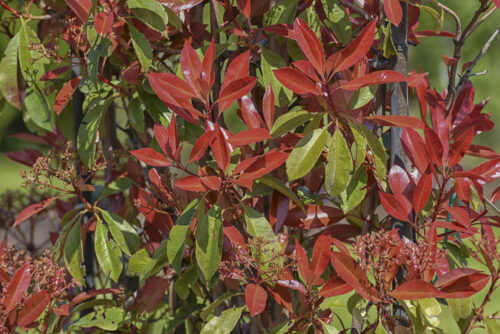
This evergreen shrub keeps your balcony looking lively all year with its glossy leaves. In May, it adds white flower clusters to the mix, followed by red berries. Photinias are very hardy and handle frost well in containers. One pro tip: make sure to give it a good soak on frost-free days so it doesn’t dry out. If you have a younger plant, a little frost fleece over the foliage during extreme cold snaps doesn’t hurt.
++Rhododendron (Rhododendron L.)
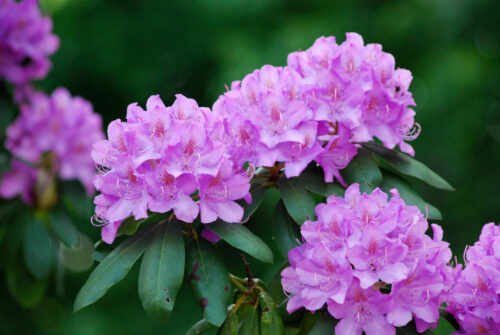
Rhododendrons are some of the most stunning flowering shrubs out there, and they actually do quite well in large pots. They are very cold-tolerant, so there’s no need to drag them indoors. Just give them a spot that’s protected from the wind and out of direct winter sun (which can dry out the evergreen leaves). Remember to water them on days when the ground isn’t frozen to keep this blooming beauty hydrated.
%%Our Secret Tip: Wintersweet (Chimonanthus praecox)
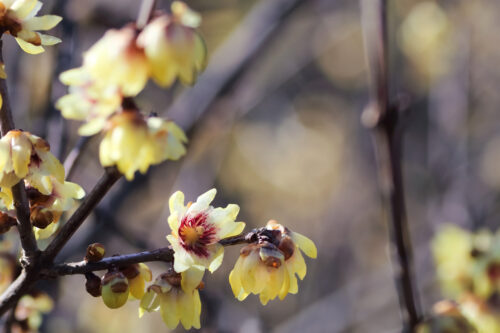
This under-the-radar shrub is a fantastic container plant and is surprisingly tough against the frost. If you place it in a sunny to partially shaded spot near a warm house wall, it can start blooming as early as December! The cup-shaped flowers have a heavenly vanilla scent. On those weirdly warm winter days when bees wake up early, Wintersweet provides a vital food source when almost nothing else is in bloom.