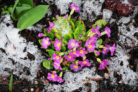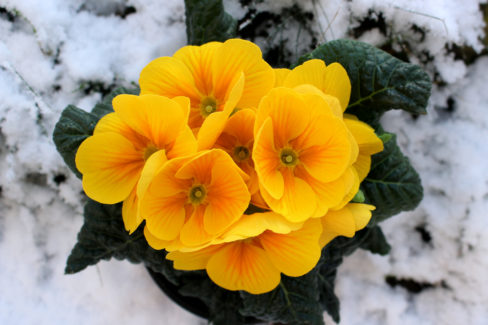
Primroses are real troopers, blooming from January through April even when the weather is still throwing wind and snow our way. That usually tells us they aren’t too bothered by a little frost. But with a family as big as this one, there are always a few “black sheep” that play by different rules.
It’s All About Their Roots
The primrose family is huge—we’re talking about 500 different species—and they hail from everywhere from the Antarctic to the tropics. Because they come from such diverse backgrounds, it makes sense that their cold tolerance varies wildly.
Species from Northern Europe and Asia have spent centuries toughening up against the cold, making them incredibly winter-hardy. On the flip side, primroses with tropical DNA just can’t handle the chill. Even though we’ve been cultivating these beauties far from their original homes for decades, their internal “weather app” hasn’t changed. If you want to know if your primrose can survive the winter, you’ve got to look at where its ancestors came from.
Hardy Varieties Are Tough as Nails
When a primrose is labeled winter-hardy, it really means it! These varieties can stay right in your garden bed without needing a cozy blanket of brushwood. Most can handle temperatures down to -4°F (-20°C) without a problem. However, if you’re expecting a particularly brutal winter, it doesn’t hurt to give them a little extra protection with things like:
- Straw
- Brushwood
- Dried leaves
- Compost soil
- Moss
- Newspaper
- Garden fleece
- Pine branches
Pro Tip:
Keep an eye on those blooms during late spring frosts. While the plant itself might be tough, the flowers are sensitive once it hits about 23°F (-5°C). A thick layer of newspaper is a classic, effective way to shield them overnight.
Potted Plants Need Extra Love
When primroses are in pots, their roots are much more exposed to the cold than they would be in the ground. If you want to keep your potted pals outside, you’ll need to get them winter-ready by late September. Start by wrapping the pot in fleece or bubble wrap and placing it on a wooden plank or a piece of Styrofoam to insulate it from the frozen ground. On nights when a hard frost is actually in the forecast, make sure to cover the leaves and flowers too.
Moving Non-Hardy Varieties Indoors
Species like the German Primrose (Primula obconica) and other tropical cousins are much safer indoors. You’ll want to bring them inside before the first frost hits and wait until the very last frost of spring has passed before moving them back out. If they spent the summer in your garden beds, you’ll need to dig them up for winter storage. Their ideal winter home is a bright, well-ventilated room that stays between 50-60°F (10-15°C). Just a heads-up: try to keep them away from hot rooms or direct heat from a radiator, as they won’t be happy there!