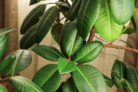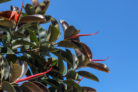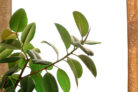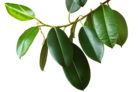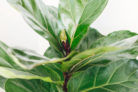
The Rubber Tree (botanically known as *Ficus elastica*) is one of those “set it and forget it” houseplants that we all love. It’s tough, reliable, and pretty forgiving if you miss a watering here or there. But there’s one thing this tropical beauty definitely won’t forgive: a cold snap. If you’re wondering how your Rubber Tree handles the winter chill, here’s the lowdown.
In the Wild
In its natural habitat, the *Ficus elastica* is a total sun-seeker. It thrives in heat and handles high temperatures way better than a cold breeze. Because it loves the warmth, you’ll only see it growing outdoors year-round in:
- Mild Mediterranean climates (think Greece or coastal Croatia).
- Tropical and subtropical regions, where it grows into massive ornamental shrubs or even towering street trees.
For those of us living in four-season climates, winter is a double whammy for the Rubber Tree. Not only is it way too cold, but the lack of sunlight during those short winter days can really stress the plant out.
Winter Hardiness
To put it bluntly: Rubber Trees are not winter-hardy. In fact, for this plant, “too cold” starts long before the thermometer hits the freezing mark. *Ficus elastica* starts feeling the chill as soon as temperatures drop below 60°F (15°C).
This means from late fall until mid-May, your Rubber Tree absolutely cannot stay outdoors. Even unheated mudrooms or a very chilly bedroom are usually too cold for comfort.
Because they are so sensitive to the cold, don’t bother trying to wrap them in burlap or insulation to keep them on the patio. Even with protection, a typical winter night is just too much for them to handle.
You’ll know your plant is unhappy if it’s sitting in a drafty spot. After just a few days of cold air hitting it, you’ll likely see the leaves on the “cold side” start to turn brown and sad.
Can You Plant It in the Ground?
In most parts of the U.S. (unless you’re in South Florida or Southern California), planting a Rubber Tree directly in your garden is a no-go. The first frost will almost certainly be the end of it.
While the plant won’t die the very second the temperature dips in September—it can actually survive short stints below 50°F (10°C) if the days stay warm—it’s a losing battle. As the mercury continues to drop, the plant loses its energy and strength, eventually giving up the fight against the cold. Keep this one in a pot so you can bring it inside where it’s cozy!