Cold-hardy flowering plants are the true MVPs of the garden. They survive the winter chill and pop back up every spring to transform your yard into a colorful paradise. We’ve rounded up nine of the most popular winter-hardy flowers, plus a little “insider tip” for your flower beds.
[[pflanzen]]
++Hardy Cyclamen
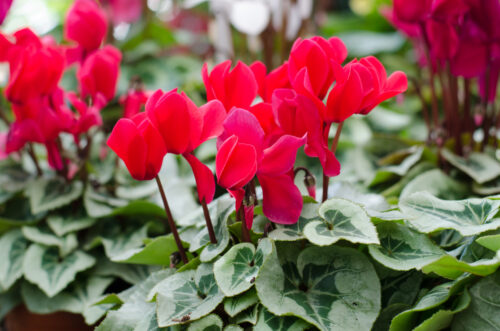
Hardy Cyclamen are surprisingly tough and handle our climate like pros. They are wonderfully low-maintenance and feature gorgeous heart-shaped leaves, often decorated with silvery patterns. Depending on the variety, they’ll bloom in spring, summer, or fall. They love a sheltered, semi-shaded spot—ideally under trees or shrubs. If you leave them to do their thing, they’ll eventually spread into a stunning carpet of flowers.
++Coneflower (Echinacea)
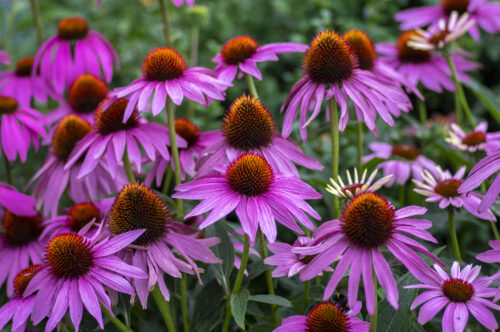
The eye-catching Coneflower is fully winter-hardy and doesn’t need much hand-holding during the cold months. Pro tip: Don’t cut back the flower heads in late fall! They look magical covered in frost and provide a cozy winter home for beneficial insects. From July to October, these bright blooms stand tall on sturdy stems, with their iconic dark centers popping against vibrant petals.
++Christmas Rose (Helleborus niger)
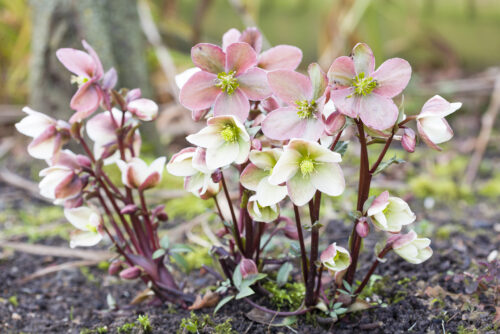
This plant is a total rebel—it laughs at the frost and blooms right in the middle of winter. Depending on the weather, the Christmas Rose starts budding between January and March. These delicate, cup-shaped white flowers usually grow 4 to 12 inches tall. They look best when planted in small, spaced-out groups. Just a heads-up: as beautiful as they are, all parts of this plant are quite toxic, so keep that in mind if you have pets or kiddos.
++Bellflower (Campanula)
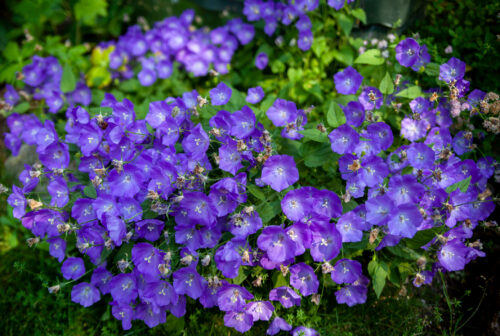
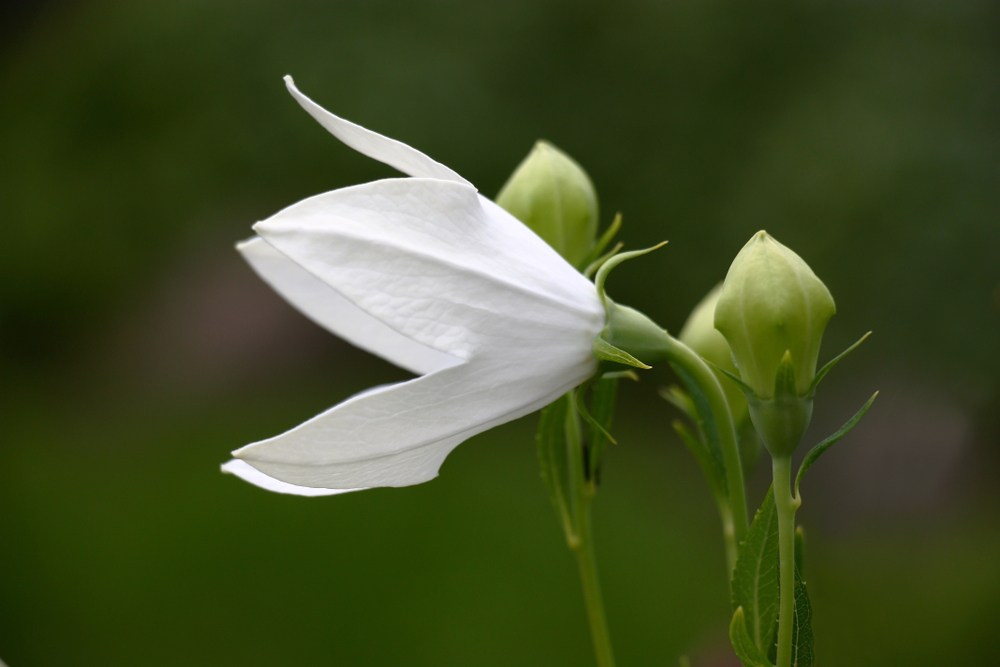
Many Bellflower species are completely winter-hardy. This includes favorites like the Caucasian Bellflower (Campanula raddeana), the Clustered Bellflower (Campanula glomerata), and the Alpine Bellflower (Campanula alpina). These perennials are so resilient you can usually skip the winter mulch altogether. They typically bloom in shades of violet or blue, but they vary wildly in size—ranging from tiny 4-inch “pillows” to varieties that can tower up to 6 feet tall!
++Garden Mums (Chrysanthemum x Grandiflorum Hybrids)
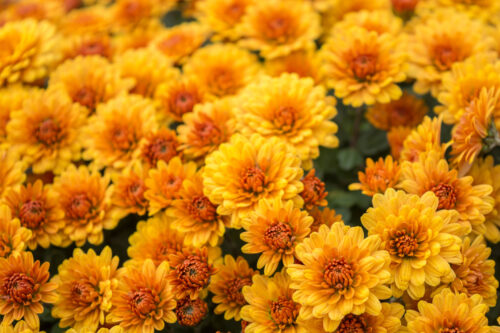
There are over 5,000 types of chrysanthemums out there, but only the Garden Mums are truly winter-hardy. Often sold as “Hardy Mums” or Winter Asters, they can grow up to 4 feet tall and form dense, beautiful clumps. This makes them perfect for the back of a perennial bed. You can find them in single or double blooms, and some varieties even change colors as they age.
++Forget-Me-Not (Myosotis)
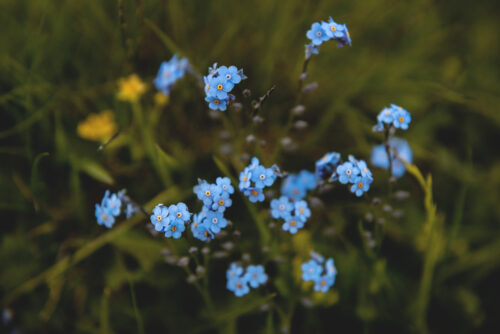
The sweet Forget-Me-Not is one of the first signs of spring. While the classic blue is a fan favorite, there are also lovely pink and white varieties. Most are very hardy, but if you live in a particularly harsh climate, it’s a good idea to give them a light “blanket” of leaves or brush for the winter—especially for young plants you just put in the ground this past fall.
++Peony (Paeonia)
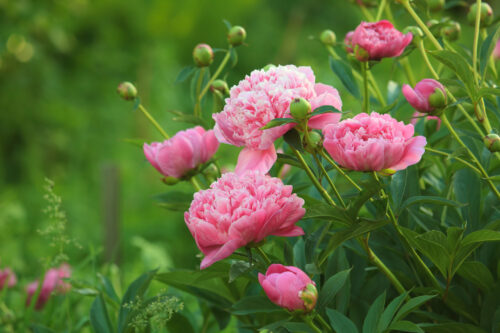
Peonies are arguably the crown jewels of the garden. They start as big, round buds and explode into massive, fragrant blossoms in shades of white, pink, or red. Both the herbaceous and most shrub varieties are winter-hardy and can handle temperatures down to 5°F without a problem. In very cold regions, just cover the trimmed-back plants with some mulch or evergreen branches to keep them cozy.
++English Lavender (Lavandula angustifolia)
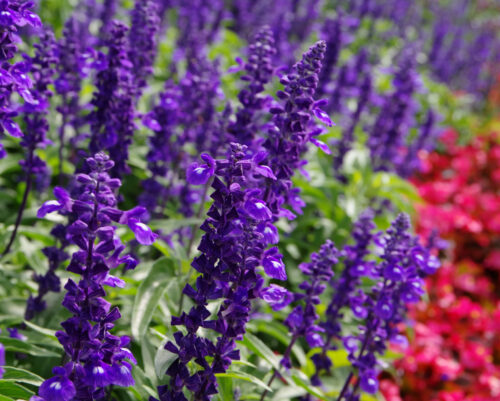
Even though Lavender hails from the sunny Mediterranean, English Lavender is surprisingly tough. It’s a magnet for bees and butterflies and can survive temperatures as low as 5°F. While it’s hardy, it appreciates a little protection from drying winter winds and intense winter sun—a few evergreen boughs over the top usually do the trick.
++Hydrangea (Hydrangea)
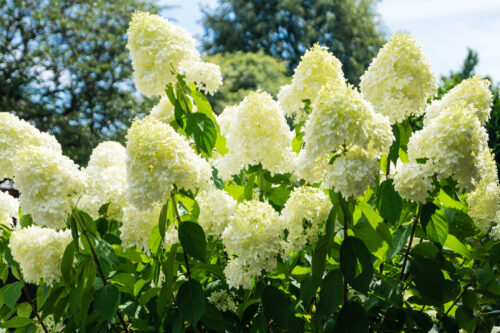
These nostalgic shrubs are famous for their massive flower heads that can reach up to 12 inches across. With about 80 different species, you can find varieties that bloom from June all the way into October. Most are very winter-hardy, but a little extra mulch around the base is a smart move. This helps protect the buds that formed last year so you don’t lose your spring flower show to a late frost.
%%Daylily (Hemerocallis)
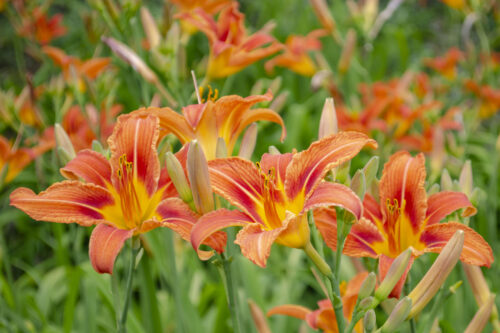
Our “insider tip” for you: Daylilies! While the big garden hybrids are famous, wild species are making a huge comeback. Starting in late May, each flower only lasts for a single day (hence the name), but the plant produces so many buds that you’ll have a constant display of star-shaped blooms for weeks. They are incredibly rugged and fully winter-hardy, surviving deep freezes without needing any extra help from you.