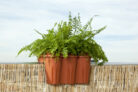
Out of the roughly 17,000 fern species found across the globe, the vast majority call the tropics home. The Sago Palm (Cycad) is no exception! Because of those tropical roots, these plants are pretty sensitive when the first autumn frosts start creeping in at night. If you want to keep yours happy, getting it into its winter quarters on time is absolutely crucial.
Dormancy kicks in under 50°F
Once fall arrives, the Sago Palm wraps up its growing season. As soon as temperatures dip slightly below 50°F (10°C), the plant switches into “winter mode.” It can handle temperatures down to about 41°F (5°C) reasonably well, but once the thermometer drops below that mark, you’re looking at potential trouble.
Frost damage can be fatal
Since the Sago Palm is not winter hardy, frost damage hits it hard and fast. Even a single night of freezing temperatures can be severe enough that the plant won’t recover. To play it safe, you need to move your plant indoors before the first night frost hits—keep a close eye on your local weather forecast!
Moving to winter quarters
Because they can’t handle the cold, Sago Palms aren’t great candidates for planting directly in the ground in most climates. It’s much better to keep yours in a pot so you can easily move it indoors for the winter.
The ideal spot is a room where the temperature stays consistently between 41°F and 45°F (5-7°C). If your space is warmer than that, your palm will need significantly more light to stay healthy. Try to avoid spots warmer than 60°F (15°C), or your Sago Palm might get confused and think spring has already arrived!
To wrap things up, here’s the quick guide to Sago Palms and frost:
- They cannot tolerate freezing temperatures; frost damage is often fatal for the entire plant.
- Aim for a winter storage temperature between 41°F and 45°F.
- Definitely avoid temperatures above 60°F during the dormant phase.