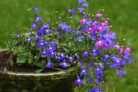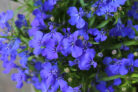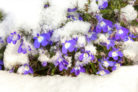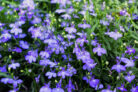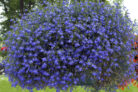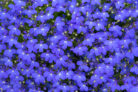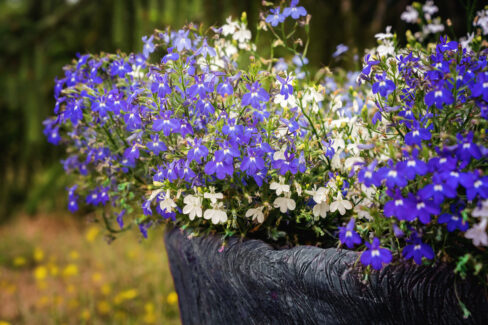
Blue Lobelia (often called Edging Lobelia) is a total summer classic. Those vibrant blue flowers are honestly hard to beat! But as the season winds down, a lot of gardeners ask me the same thing: can these beauties actually survive a cold winter outside?
Is it Winter Hardy?
Here’s the deal: Blue Lobelia is originally from South Africa. Since it’s used to a much warmer climate, it’s not naturally winter-hardy here in the States. In most regions, it’s sold as an annual meant to brighten up your patio or balcony for just one season. However, in its native habitat, it actually grows as a perennial. Before you put in the effort to overwinter yours, double-check if your specific variety is a perennial type or a true annual.
How to Overwinter Your Lobelia
If you live in a very mild climate and provide some serious frost protection, you *might* get away with leaving it in the ground. But honestly? It’s much easier to keep them alive if they’re in pots. Once the first frost hits, move your plants to a bright, cool spot. A cold frame or an unheated greenhouse is your best bet—just make sure the temperature stays above freezing. Keep in mind that your typical heated living room is actually too warm for them to survive the winter.
The “sweet spot” for temperature is between 40°F and 50°F. Since the plant goes into a dormant phase during the winter, you can stop fertilizing altogether. It’s also a good idea to prune it back a bit before moving it inside; definitely clear out any wilted or dead bits. You’ll still need to water it, but dial it back quite a bit. You want the soil to stay slightly moist, but never soggy, as root rot can happen fast in the winter.
Quick Checklist: Winterizing Your Lobelia
- Blue Lobelia is not naturally winter-hardy.
- It’s most commonly grown as a one-season annual.
- Check if your variety is an annual or a perennial before trying to save it.
- Outdoor overwintering only works in very mild climates with protection.
- Potted plants need a cool, bright spot (like a greenhouse).
- Avoid keeping them in the house; it’s usually too hot.
- Remember to cut back on watering and stop fertilizing until spring.