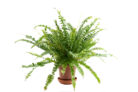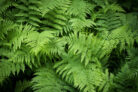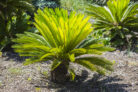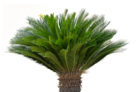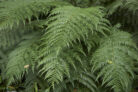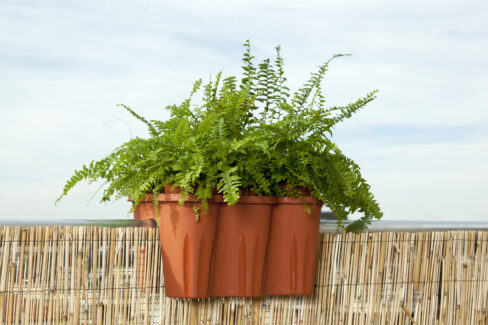
Out of the roughly 17,000 different fern species found across the globe, only about 200 of them can actually handle a cold northern winter. The Sago Palm (or Cycad) is a tropical native, which means it’s pretty sensitive when the thermometer starts to dip.
Trouble Starts Early
Believe it or not, you don’t even have to hit freezing for these plants to start struggling. Once autumn temperatures drop to around 50°F (10°C), the Sago Palm starts feeling the chill. For this plant, that’s the signal that winter has arrived and it’s time to go dormant. If you wait until frost has already hit the ground, it’s usually too late. Frost damage is often irreversible and can unfortunately kill the plant.
Moving to Winter Quarters
To successfully overwinter your Sago Palm, you’ll want to get a head start in the fall. Here are a few tips to keep in mind:
- Move your Sago Palm indoors before the first overnight frost hits.
- Pick a bright spot with plenty of light where temperatures stay consistently between 40°F and 45°F (5-7°C).
- Keep an eye on the light-to-heat ratio: the warmer the room, the more sunlight the fern is going to need.
- If temperatures climb above 60°F (15°C), the plant will think spring has arrived and end its dormancy early.
Frost-Resistant Varieties
Moving these plants indoors can be a bit tricky if you have kids or pets running around. Sago Palms are toxic, and eating the fronds can lead to serious health issues. If you’d rather keep your plants outside during a mild winter, you might want to look into some hardier species. Here are a few varieties that can handle lower temperatures:
- Macrozamia stenomera (14 °F)
- Macrozamia platyrhachis (18 °F)
- Macrozamia reducta (21 °F)
- Dioon argenteum (25 °F)
- Cycas media (27 °F)
- Macrozamia longispina (25 °F)
- Cycas panzhihuaensis (3 °F)
- Cycas revoluta (18 °F)