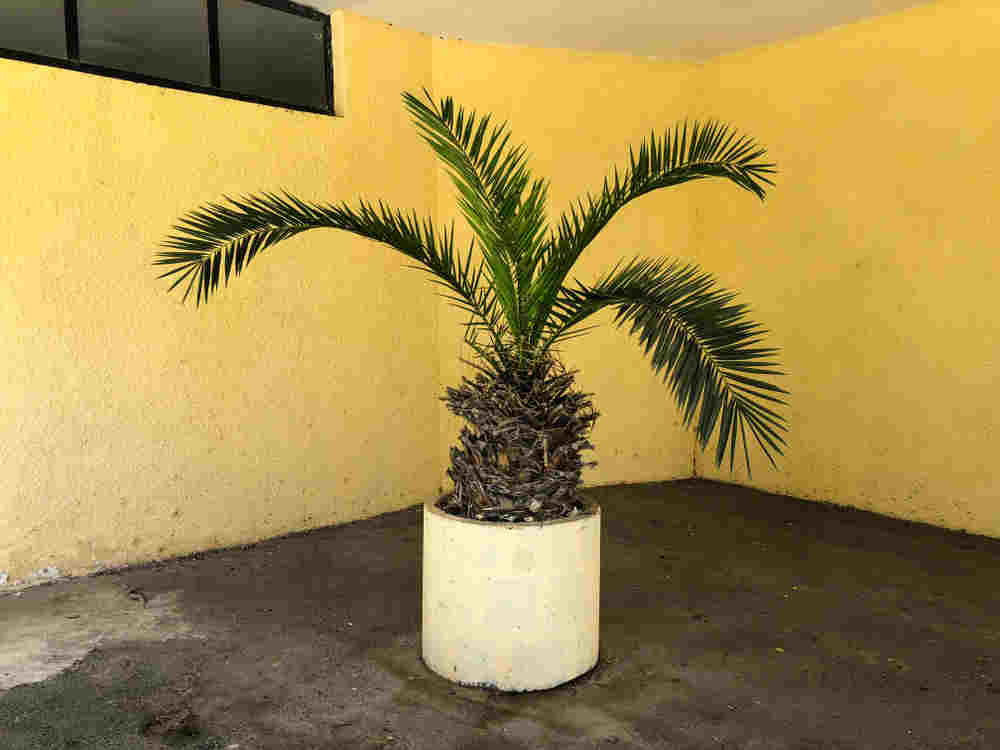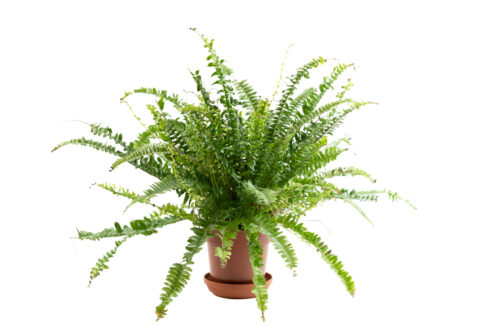
Most fern species hail from the tropics, and the Sago Palm is no exception. Because of those island roots, it’s not exactly built for life in the ground here in the States. However, you can totally enjoy them as patio plants during the summer! The trick is knowing exactly when to bring them back inside before the autumn chill sets in.
Sago Palms and Frost Don’t Mix
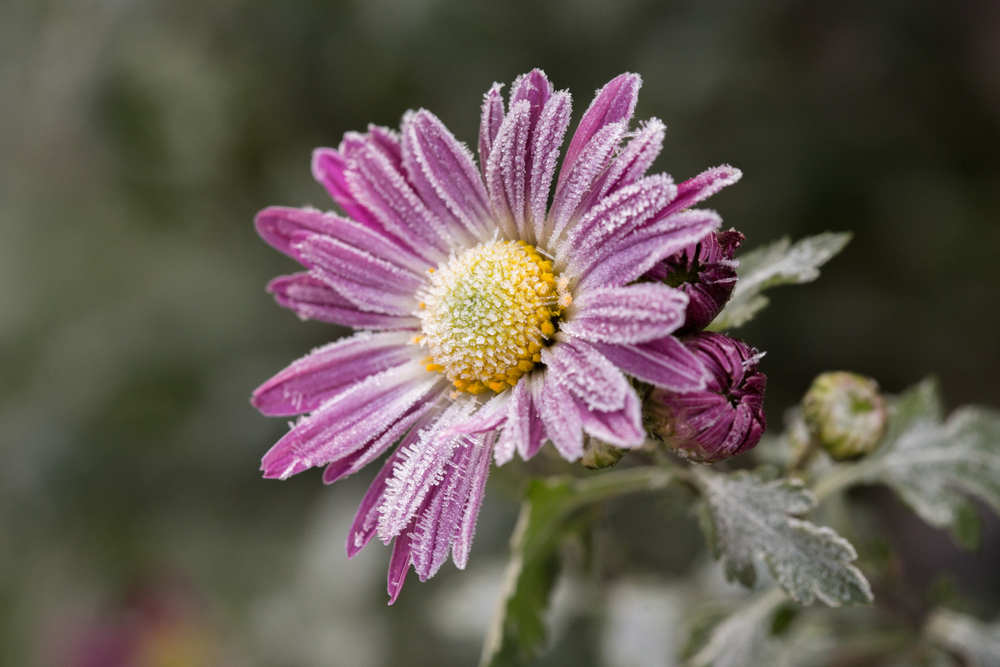
Frost is a major deal-breaker for the Sago Palm. Once temperatures dip below freezing (32°F), you’re looking at serious frostbite. Usually, this damage is permanent and can unfortunately kill the plant. But the sensitivity actually starts even earlier—once it hits about 50°F (10°C), the Sago Palm thinks winter has arrived and shifts into its dormant phase. If frost hits while it’s trying to rest, the damage is even more severe.
Setting Up a Winter Home
To keep your plant happy, you’ll want to move it indoors before the first overnight frost hits. Ideally, your winter storage spot should stay at a steady 40°F to 45°F (5°C to 7°C). If your space is a bit warmer than that, just make sure the plant gets plenty of light to compensate. Try not to let the temperature climb above 60°F (15°C), or the Sago Palm might get confused and try to wake up from its winter nap too early.
Wait It Out in the Spring
Since the Sago Palm isn’t winter hardy, those late spring cold snaps can be a real threat. Don’t be in too much of a hurry to move your pots back outside. It’s best to wait until the risk of overnight frost has completely passed—usually around mid-May after the “Mother’s Day” window. Even then, it’s a good idea to keep a close eye on the local weather forecast just in case.
Here’s a quick cheat sheet for overwintering your Sago Palm:
- Bring it inside before the first frost of the season.
- Keep the pot in a cool, bright room.
- Wait until the threat of spring frost is totally gone before moving it back to the patio.