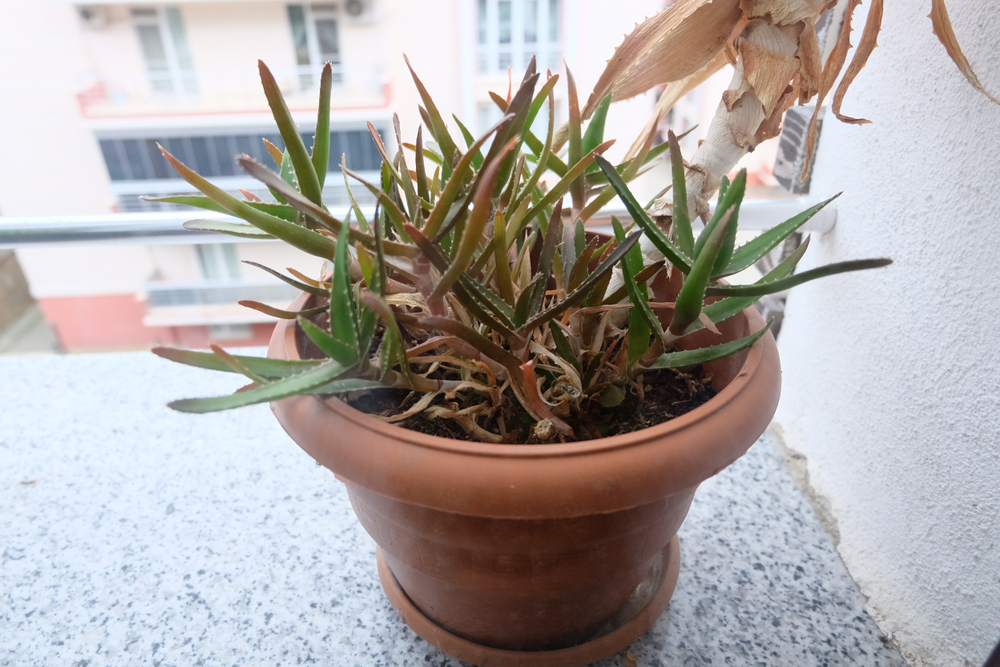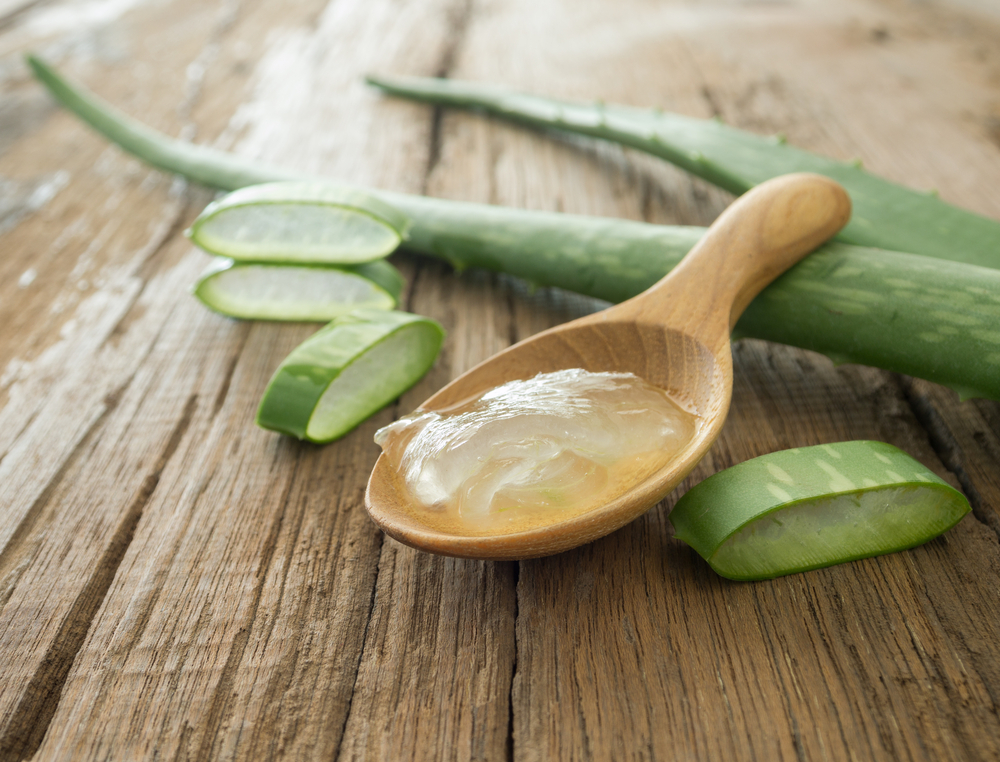
Aloe Vera is a total favorite for indoor gardeners, mostly because it’s so incredibly low-maintenance. But beyond looking great on a windowsill, many people grow it as a “living medicine cabinet.” The clear gel inside those thick leaves is famous for soothing and healing irritated skin. If you’re looking to harvest your own, here’s everything you need to know to do it right.
Harvesting the Leaves
If you’re buying or growing an Aloe Vera specifically for its healing properties, patience is key. You’ll want to wait until the plant is mature—usually around five years old—before the gel reaches its full potency. Also, a quick tip for store-bought plants: always ask if they’ve been treated with chemical pesticides or synthetic fertilizers. If they have, you’ll need to wait a while for those chemicals to clear out of the plant’s system before using the gel on your skin or in your food.
Which leaves should you pick, and how?
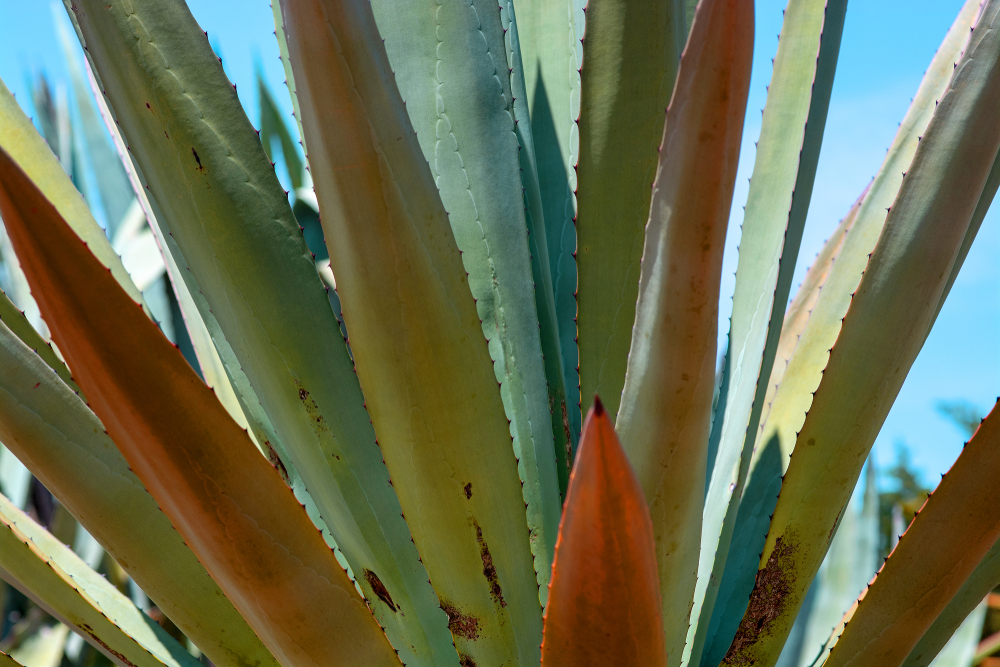
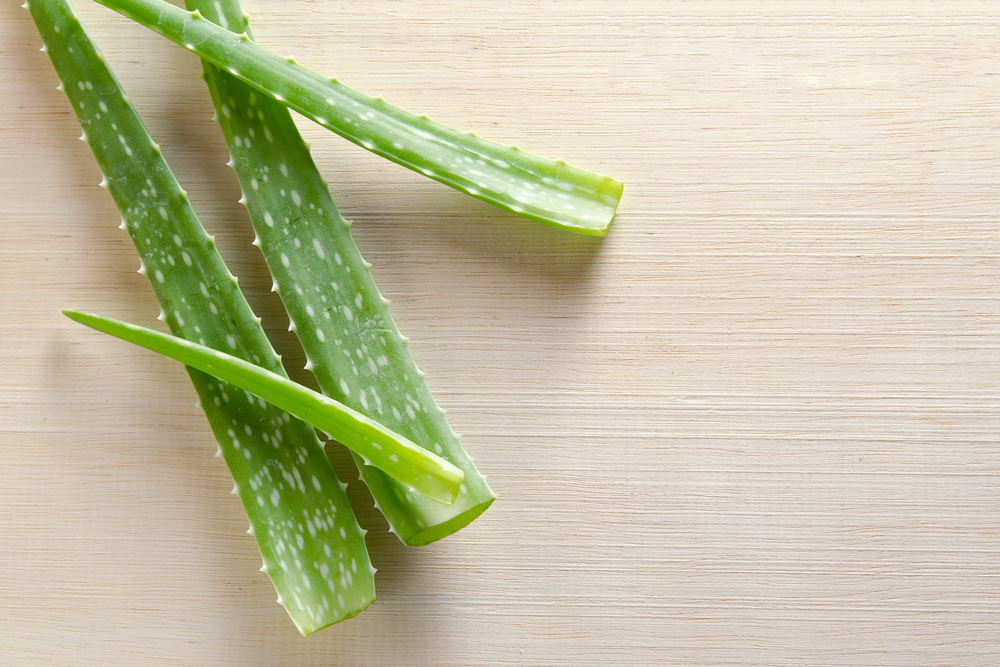
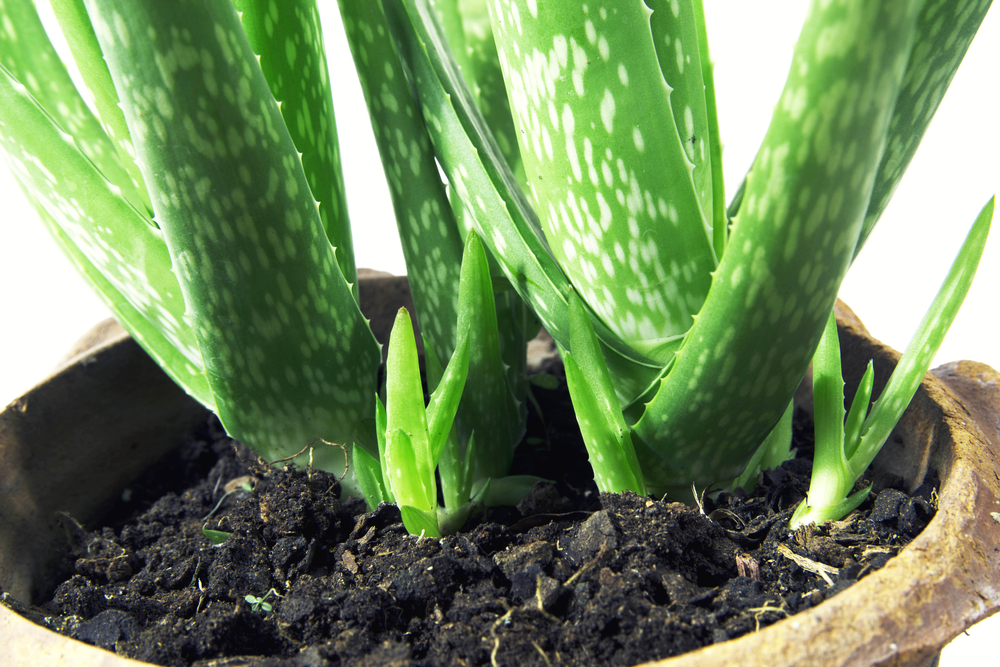
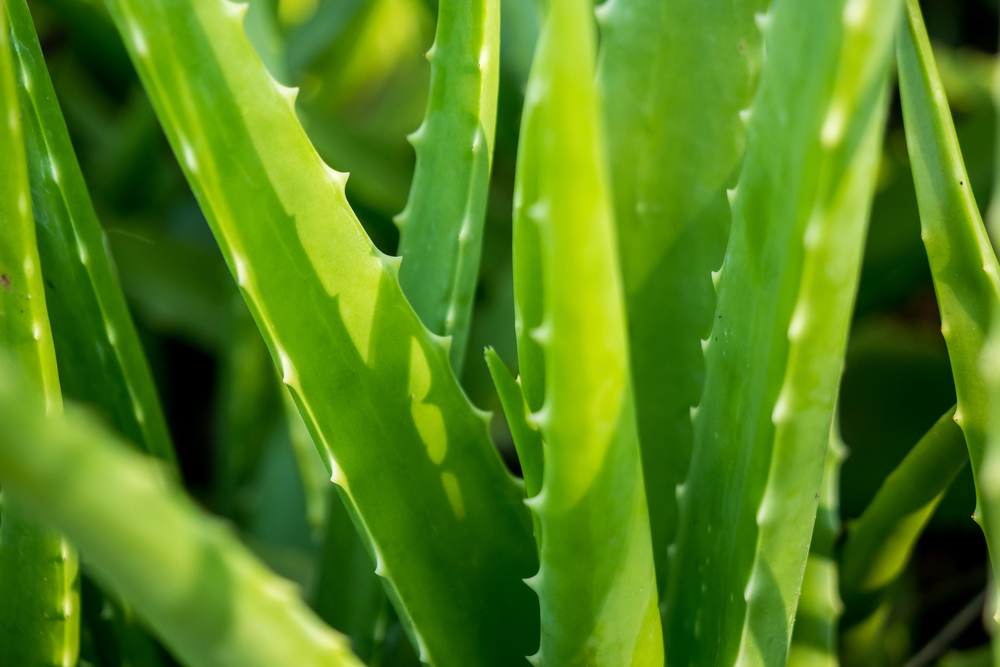
Aloe Vera grows from the center (the “heart”) outward. This means the oldest, thickest, and most nutrient-dense leaves are on the outside. You can harvest these at any time of year.
- Grab a clean, sharp knife.
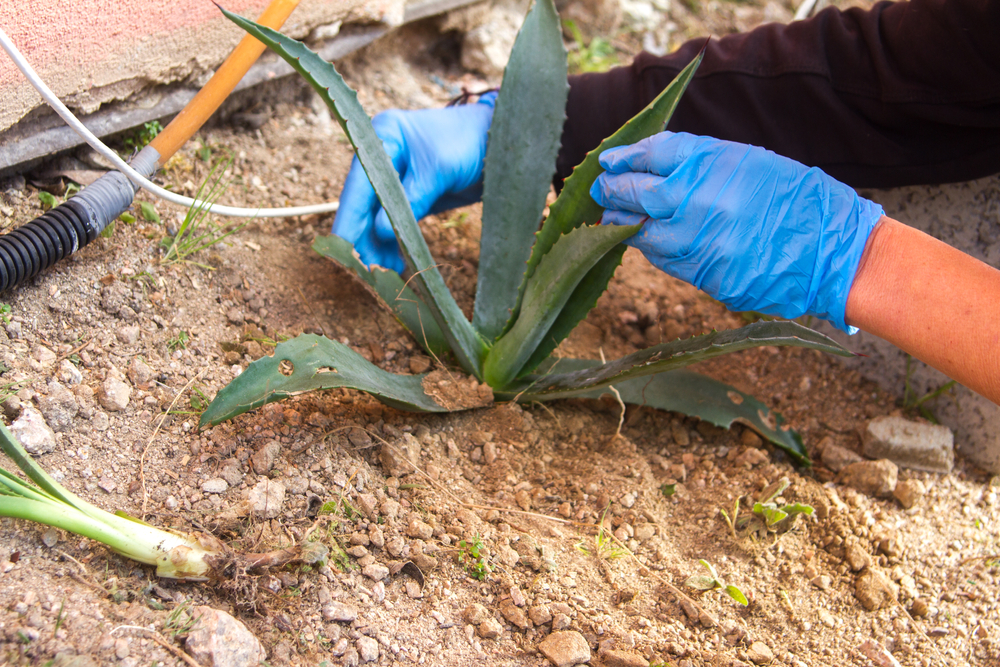
- Cut your chosen leaf as close to the base of the plant as possible. Make sure to leave plenty of leaves behind so the plant can keep growing!
- This is important: before you use the gel, you need to let the bitter, yellowish sap (called aloin) drain out. Stand the leaf upright in a jar or glass with the cut side down.
- Let it sit for a few hours until the yellow sap has fully drained.
- Give the leaf a good wash.
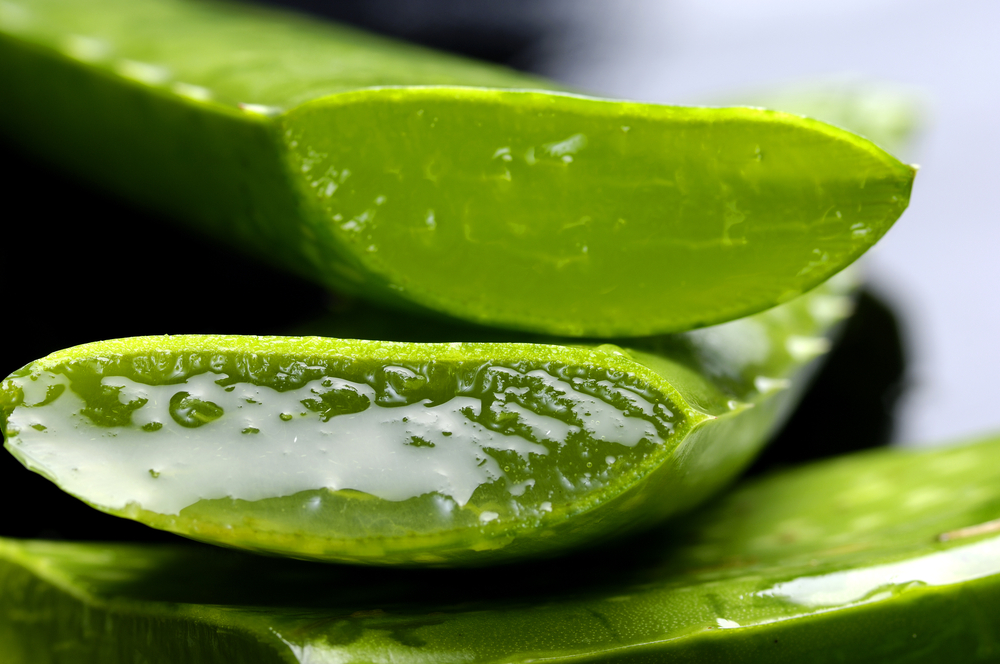
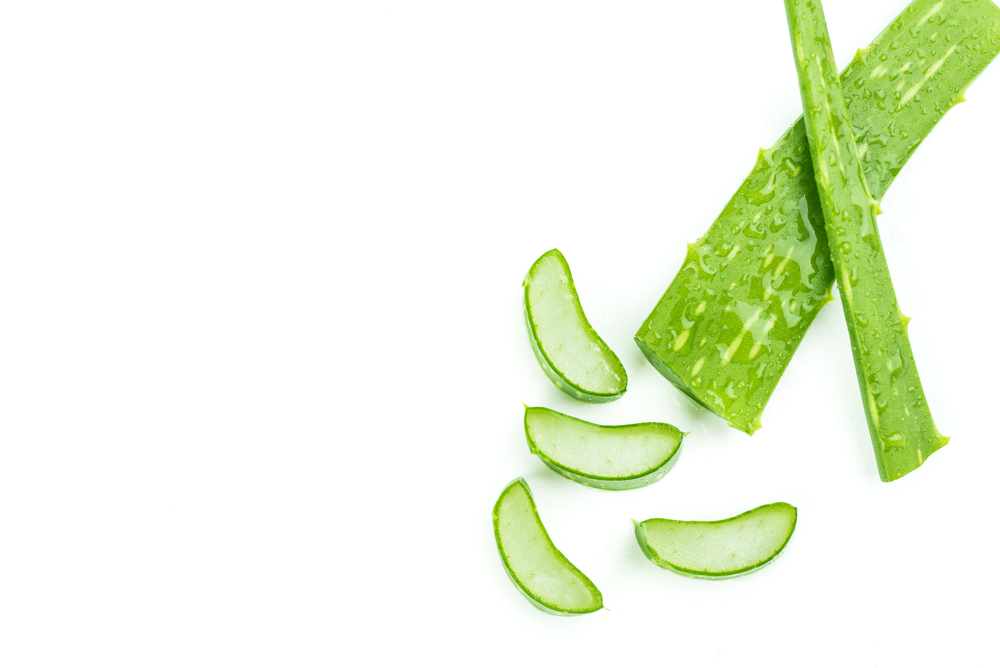
- Slice the leaf lengthwise and use a spoon to scoop out the clear gel.
- Your fresh Aloe Vera gel is now ready to use!
How to Use Your Gel
Fresh is usually best, but if you have extra, you can actually freeze it in ice cube trays for later. Here are a few of my favorite ways to use it:
- Soothing sunburns or easing psoriasis flare-ups.
- A natural moisturizer for dry or stressed skin.
- Mixing a bit into smoothies or yogurt to help with digestion.
- Speeding up the healing process for minor scrapes and cuts.
- It’s even safe for pets! You can use it to help heal minor skin irritations on your furry friends.
Using Leaves for Propagation
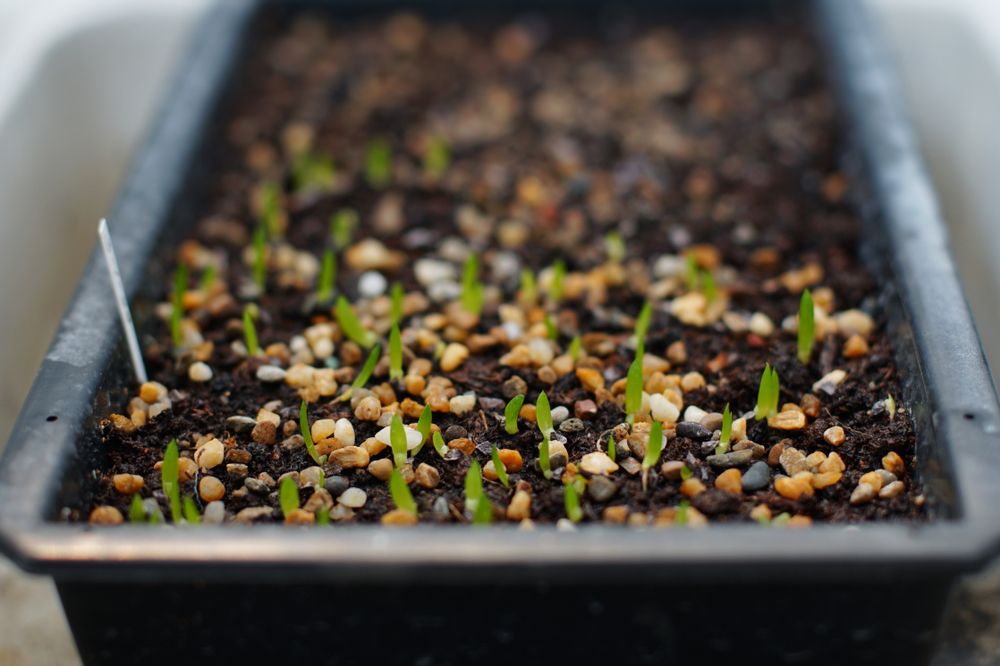
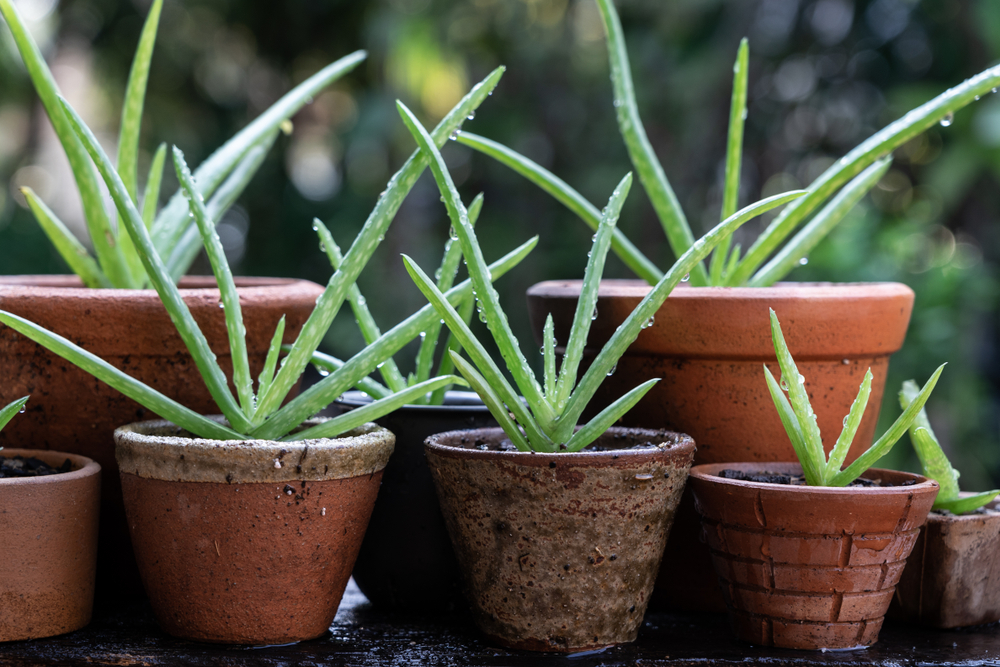
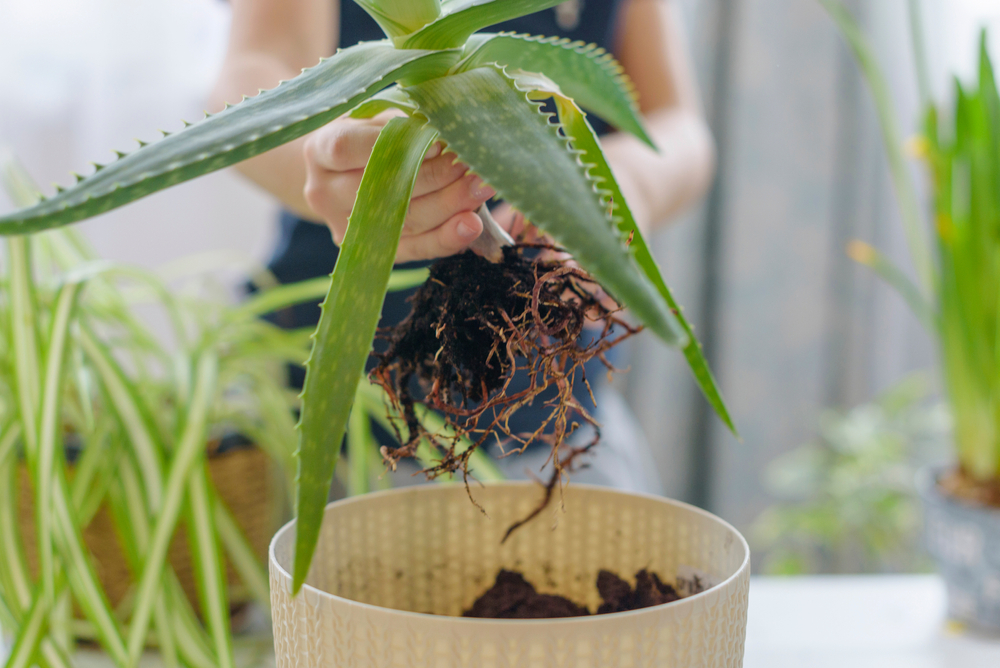
Did you know you can also use harvested leaves to start new plants? Just cut a leaf into sections and plant them as cuttings in some high-quality seed-starting mix. Keep your new “babies” in a warm, bright spot—just out of direct sunlight—and keep the soil slightly moist. Once they’ve developed a solid root system, you can move them into their own permanent pots.