Dill is a staple in backyard gardens across the country, and let’s be honest—nothing beats the flavor of sprigs picked fresh from your own soil. But if you want to get the most out of your harvest, timing is everything. Whether you’re after those delicate fronds or the pungent seeds, here’s the lowdown on how to harvest your dill like a pro.
When is the best time to harvest dill?
The “when” depends on a couple of things: when you planted or sowed your seeds, and what part of the plant you’re planning to use. You can start snipping those fresh dill tips as early as May and keep going right through September. For the best flavor, try to harvest the greens before the plant starts to flower; once those yellow blooms appear, the foliage tends to get a bit tough and loses some of its sweetness. If it’s the seeds you’re after, you’ll want to wait until fall once they’ve fully matured.
How to harvest your dill
Since dill is an annual, it won’t survive a frosty winter. If you want it to pop up again next year on its own, leave a few flower heads alone so they can drop their seeds. Otherwise, you’ll want to harvest the rest of the plant by early fall before it dies back. If you have more than you can eat right away, you can process or preserve it to keep that summer flavor going. Here are a few ways to make it last:
- Keep it in the fridge for short-term use
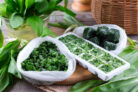
- Freeze it in bags or ice cube trays
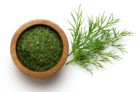
- Dry it for the spice rack
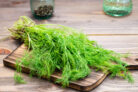
Harvesting dill weed (the leaves)
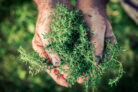
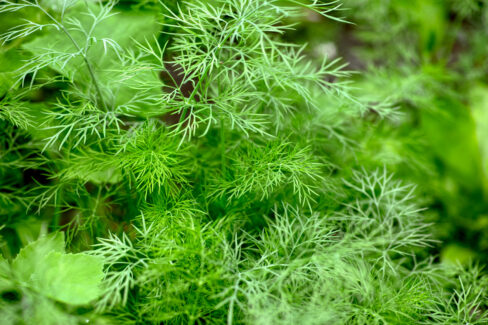
Once your plant hits about 6 inches tall, you can start pinching off a few leaves here and there. If you need a big bunch for a recipe, wait until the plant is about a foot tall and cut whole stems or even the entire plant. Just a heads-up: dill loses its punch pretty quickly once it’s cut, so try to harvest it right before you’re ready to toss it into your dish.
Harvesting dill seeds
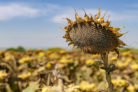
To get a good seed harvest for pickling or baking, you have to let the plant flower. This usually works best if you got your dill in the ground by June. You’ll see yellow umbrella-like flowers, which eventually turn into brown seeds.
In the fall, cut the entire flower head (the umbel) and tie them into small bunches. Hang them upside down in a cool, dry place. As they dry, the seeds will naturally fall off. Pro tip: Tie a small paper bag over the flower heads to catch all those seeds so they don’t end up on your floor!
How to use your harvest
Both the leaves and the seeds are kitchen superstars, though the seeds have a much more intense, concentrated flavor. Here are some of my favorite ways to use them:
- Pickling (of course!)
- Homemade marinades
- Infusing herbal vinegars
- Adding a kick to breads and savory pastries
- Stirring into hearty stews
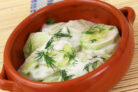
- Garnishing fresh summer soups