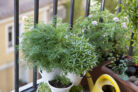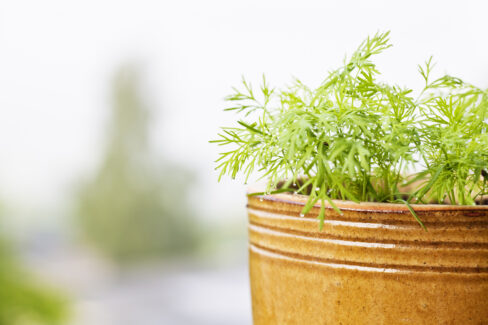
Dill is actually pretty low-maintenance once it finds its “happy place” in your garden. But let’s be real—not every backyard has the perfect spot, which is why growing dill in pots is such a great workaround. Here’s everything you need to know to get your container dill thriving.
How to Get Your Potted Dill Started
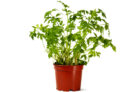
If you want to be successful with container dill, you’ve got to start with the right pot. Dill is a bit of a homebody—it hates being transplanted or poked around with (so skip the pricking out). Your best bet is to sow the seeds directly into their “forever home.” Since dill grows a long taproot, you’ll need a deep pot. A shallow window box just won’t cut it. Keep in mind that your harvest might be a little smaller in a pot than in the ground, especially if the container is too cramped.
Drainage is the name of the game here. Dill hates “wet feet,” and if the soil stays soggy, the plant will quickly turn brown and the roots will rot. Make sure your pot has drainage holes and maybe add a layer of gravel at the bottom. As for location, dill loves a sunny or partially shaded spot with loose, well-draining soil. As long as you’ve got that covered, you can grow it just about anywhere:
- On the balcony
- On the patio
- On a sunny windowsill
- Right in the garden
Caring for Your Potted Dill
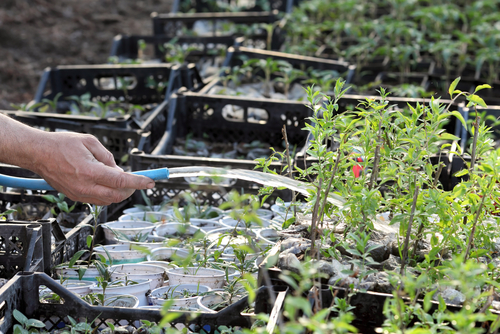
When it comes to maintenance, it’s all about the water. While you definitely want to avoid waterlogging, you also can’t let the soil bone-dry during a summer heatwave, or your dill will wilt. The sweet spot is to water as soon as the top layer of soil feels dry. Pro tip: water from the bottom to keep the delicate fronds dry—this helps prevent diseases. If you planted your dill in fresh, nutrient-rich potting soil, you can usually skip the fertilizer altogether.
Harvesting Dill from a Container
Harvesting from a pot is exactly the same as harvesting from a garden bed. It really comes down to what you’re after: the fresh green fronds or the seeds. For the best flavor, snip the dill tips with clean scissors before the plant starts to flower. If you’re planning on using the seeds for pickling or baking, you’ll need to be patient and let them fully ripen on the plant first.