Dill is one of those classic kitchen herbs that everyone loves. Its fresh, zesty aroma can totally transform a dish, and let’s be honest—nothing beats the taste of dill when it’s freshly harvested from your own garden. The best way to ensure you always have some on hand for your cooking is to grow it yourself!
Where is the best spot to plant dill?
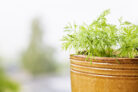
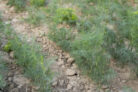
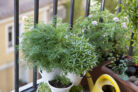
The great thing about dill is its versatility; you can grow it in containers on your balcony, in a raised bed, or right in the ground. Just a quick pro-tip: try not to plant it in the exact same spot two years in a row so the soil has a chance to recover. To get that lush, healthy growth, you’ll want to plant your dill in a spot that hits these marks:
- Plenty of full sun
- Sheltered from strong winds
- Loose, well-draining soil
- No standing water (dill hates “wet feet”!)
When should you start sowing?
If you’re planning a balcony garden, you can start your seeds in pots on a sunny windowsill as early as March or April. For those using a protected raised bed, wait until at least late April. If you’re sowing directly into the garden, it’s best to wait until mid-May once the threat of frost has passed.
If you want to collect seeds from your plants (since dill is an annual), try to get them in the ground by June. However, if you’re just looking to use or preserve the fresh green fronds, you can keep sowing new seeds all the way through August.
How do you sow dill seeds?
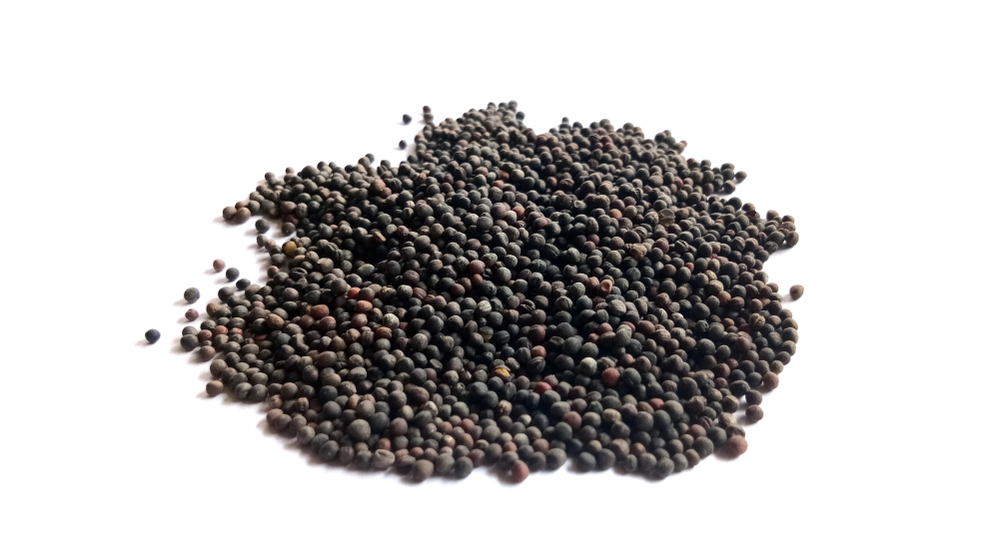
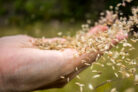
Dill seeds are “light germinators,” which means they need a little light to wake up. Don’t bury them deep! Since the seeds are very fine and can blow away in a breeze, just lightly press them into the soil or give them a very thin dusting of dirt. Be gentle when watering at first so you don’t wash the seeds away.
An awesome bonus? Dill is a natural bodyguard for your garden! Aphids and cabbage white butterflies aren’t fans of it, making it a fantastic companion plant for:
- Peas
- Cucumbers
- Carrots
- Kohlrabi
- Lettuce
- Onions
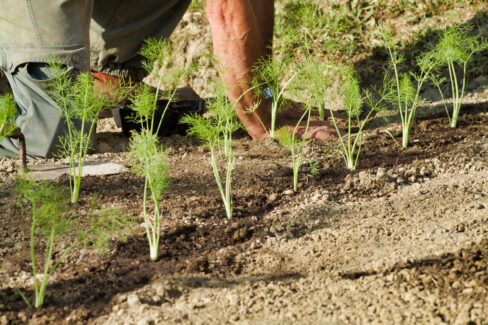
Just make sure to give everyone enough elbow room. Aim for about 3 inches between plants and 12 inches between rows. One thing to keep in mind: dill is a bit of a homebody—it doesn’t like being thinned out or transplanted once it’s settled. If you’re planting in a pot, make sure it’s deep enough to accommodate its long taproot.
How do you care for your new dill plants?
The secret to successful germination is keeping the soil consistently moist. But be careful—too much water can lead to root rot, which causes the dill to turn brown. If you’re using a container, make sure it has good drainage so extra water can escape. Also, keep an eye out for weeds and pull them early. You don’t want them competing with your dill for space, water, or nutrients!