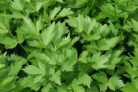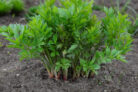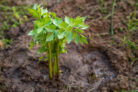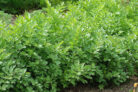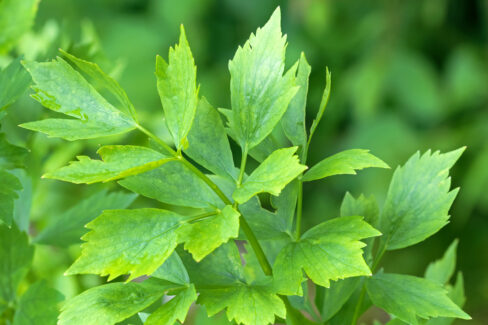
The cold winter months and those biting frosty nights can be tough on a lot of garden plants. Luckily, perennial lovage—often called the “Maggi plant” because of its savory aroma—is a real champ when it comes to overwintering outdoors. Its roots are tough enough to handle freezing temperatures for long stretches. However, things can get a little dicey when the thermometer hits double-digit negatives without a protective blanket of snow. In those cases, a little extra TLC goes a long way in helping your plant bounce back.
Lovage is a Winter Warrior
Good news: lovage is incredibly hardy and can handle temperatures as low as -4°F (-20°C). For the most part, it doesn’t need any fancy winter gear because its thick, robust root ball is built to withstand the freeze.
Winter Care Tips for Your Lovage
To make sure your “Maggi plant” makes it through the cold season in top shape, here are a few handy tips:
- In late fall, spread a bit of mulch around the base to prevent the soil from drying out and to keep weeds at bay.
- Harvest any remaining green shoots before the first hard freeze.
- Give your lovage a good pruning in February.
- Start fertilizing in March to give the herb the nutrients it needs for a spring growth spurt.
- Don’t forget to water! Even in winter, your plant needs a drink on frost-free days if the soil is dry.
Strengthening Your Plant with the Right Fertilizer
To keep your lovage resilient, you’ll want to work some organic fertilizer into the bed starting in March. Compost or horn meal are fantastic options for providing those essential micronutrients. Once the plant starts blooming (usually around June), you can gradually scale back the feeding and stop fertilizing entirely by August.
Pruning: The Secret to Youthful Lovage
Lovage is a fast grower and loves to take up space, so regular harvesting and pruning are key. In fact, a good trim can actually rejuvenate older plants and encourage fresh new growth.
The best time to grab your garden shears is in February. Cut the plant back to about 8 inches above the ground. Don’t be shy—lovage is tough as nails and will grow back before you know it!
During the spring and summer, keep an eye out for any dried-up bits and remove them promptly. It’s also a good idea to snip off the flowers if you want the plant to focus its energy on tasty leaves rather than producing seeds.
Only Healthy Plants Beat the Winter Blues
Generally speaking, lovage is a hardy perennial that sails through winter. However, that’s only true if it’s planted in the right location and stays healthy. Make it a habit to check your plant for pests or diseases and generously prune away any affected areas to keep the rest of the plant strong.