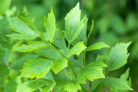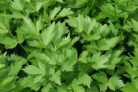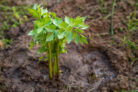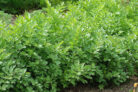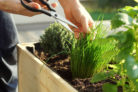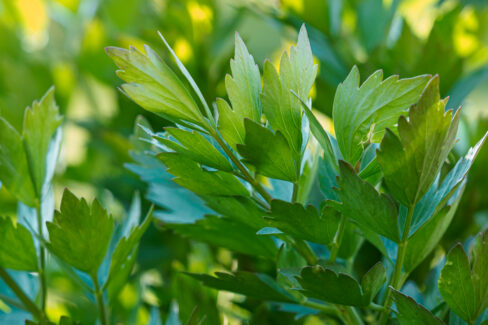
Lovage—often called “Maggi herb” by those who love its savory, celery-like flavor—can be a real beast in the garden, sometimes reaching heights of up to 8 feet! If you want to keep that lush growth from taking over your entire herb bed, regular pruning is the way to go. Plus, you’ll naturally be trimming it back every time you harvest those tasty leaves and stems. Here’s the lowdown on how to prune your lovage the right way to keep it healthy and manageable.
Regular pruning keeps your plant happy
There are plenty of good reasons to keep your garden shears handy when it comes to lovage.
Here’s why a little haircut goes a long way:
- Pruning encourages fresh, new growth.
- It helps you tame its naturally wild and busy growth habit.
- Trimming off flowers and seed heads saves the plant energy, keeping it focused on leaf production.
- Careful picking is the best way to harvest stems and leaves for your kitchen.
- A major cut-back is the best way to get rid of any diseased sections.
Lovage is a champ at bouncing back
As long as it’s in the right spot, lovage is incredibly hardy and determined to grow. Even if you have to cut it all the way down to the ground—to deal with a fungus issue, for example—don’t panic! This herb is a survivor and will sprout right back up.
Always use sharp tools
Honestly, it’s pretty hard to mess up pruning lovage. It’s a very forgiving plant.
For the best results, follow these simple steps:
- In March, cut the herb back to about 8 inches above the ground to kickstart the season.
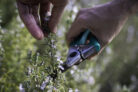
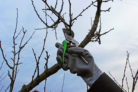
- Always use sharp, clean shears. This prevents jagged “wounds” and keeps the plant safe from infections.
- Completely remove any dried-out or sickly-looking parts of the plant.
- Give it another trim after it flowers in August, unless you’re planning on saving the seeds.
- Do one final cleanup cut in the fall.
If you want the main stems to grow extra strong and resilient, try thinning out some of the smaller side shoots. Starting in May, you can pluck leaves and stems once a month to use fresh in your cooking or to freeze and dry for later.
Don’t forget the seeds—they’re flavor bombs!
For a real culinary treat, don’t just stop at the leaves. If you let a few flowers go to seed, you can harvest the seed pods in the fall. They have an even more intense, spicy aroma than the leaves and make a fantastic addition to your spice rack!