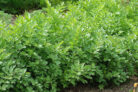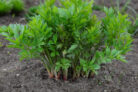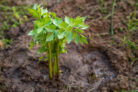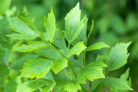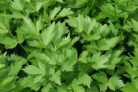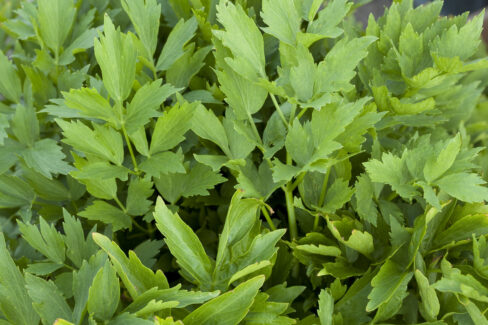
Lovage, often called the “Maggi herb” because of its savory scent, is a tough-as-nails perennial that usually takes care of itself. But even the hardiest garden favorites can run into trouble with pests or diseases every now and then. Fungal issues, in particular, can be a real headache! Usually, these problems stem from a few hiccups in care. Here’s the lowdown on how to treat your lovage without reaching for harsh chemicals and how to keep it thriving for seasons to come.
Lovage: The Low-Maintenance Garden Workhorse
For the most part, lovage is a rockstar in the garden. It’s incredibly resilient and doesn’t demand much of your time, making it the perfect “set it and forget it” herb. Whether you’re growing it in a backyard raised bed or planting it in a container on your balcony, this herb usually stays in tip-top shape.
Dealing with Downy Mildew
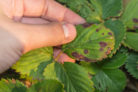
While lovage doesn’t get hit by Downy Mildew as often as some other garden plants, a fungal infection can really do a number on it if it takes hold.
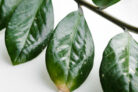
Keep an eye out for yellowing leaves that eventually turn brown and drop off. These fungal spores burrow deep into the foliage, stealing the nutrients your lovage needs to stay strong. If you flip a leaf over, you’ll usually see a tell-tale fuzzy, white, or grayish coating on the underside.
The culprit is usually “muggy” weather—think hot, humid summer days—or the stagnant air found in greenhouses. If your plant gets hit, the best remedy is to grab your garden shears and prune away any infected stems immediately to stop the spread.
Thrips: The Tiny Pests That Pack a Punch
If you notice discolored leaves and stems that look like they’re losing their will to live, it might not be a fungus at all. You might be dealing with thrips. These tiny, fringed-wing insects suck the sap right out of the plant’s cells. This leaves your lovage weak and malnourished, which can eventually kill off entire sections of the plant. Make it a habit to inspect your herbs regularly so you can catch these uninvited guests early! If you find an infestation, give the plant a heavy trim to remove the affected areas.
Pro-Tips for a Disease-Free Herb Garden
Plants that are stressed, weak, or neglected are basically an open invitation for pests and pathogens.
Here’s how to keep your lovage’s “immune system” strong:
- Minimize stress by avoiding unnecessary transplanting once the plant is established.
- Make sure you’ve picked the right spot with plenty of sun and good soil.
- Give it a little boost with regular organic fertilizer.
- Try to protect the plant from extreme, scorching heat.
- Don’t let the soil dry out completely, and always water at the base of the plant rather than over the leaves.
- Keep the plant from wasting energy on flowers and seeds by harvesting your lovage every 4 weeks or so.