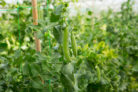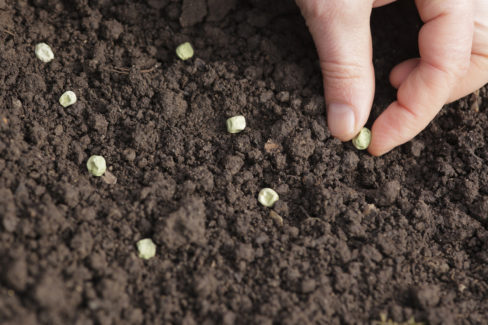
Peas are one of those garden staples that are surprisingly easy to grow and super rewarding. You can snack on fresh pods all summer long or let them mature for a big dry pea harvest in the fall. If you’re looking to add some to your backyard patch, here are a few tips to get you started.
Timing Your Planting
Generally, you’ll want to get your peas in the ground starting around April. If you go too much earlier, the soil is usually too cold, and a late frost can easily zap those tender young shoots. The one exception is the winter pea—you can actually plant those in the fall, and they’ll be ready for a head-start harvest early next spring.
For those first few weeks, I highly recommend covering your rows with some garden fleece or a floating row cover. It creates a cozy little microclimate that really jump-starts their growth. Just make sure to pull it off once the plants are a few inches tall so they have plenty of room to stretch out.
Direct Sowing is the Way to Go
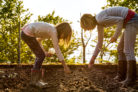
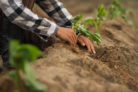
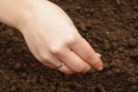
Peas really prefer being sown directly into the garden rather than being transplanted. Just dig a trench about 1.5 inches deep and drop a seed in every 2 inches. Unlike beans, which people often plant in little “hills” or clusters, peas do best in a single file line. Once you’ve planted your peas, cover them up and give them a good drink. Keep the soil consistently moist until you see those first sprouts popping up.
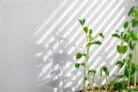
It’s also a great idea to set up your pea trellis or support right at planting time. You can use anything from chicken wire to sturdy fallen branches (often called “pea brush”). Just stick them in the ground next to your row so the vines have something to grab onto the moment they start climbing.
Harvesting and Care
Even though peas aren’t “heavy feeders” like tomatoes, they still love nutrient-rich soil. You should focus on fertilizing your peas right when you plant them. Mixing some organic matter into the soil is the best way to go.
Great options include:
- Finished compost
- Well-aged manure
- Horn meal or bone meal
Once they start flowering, they appreciate a little extra potassium, but honestly, one good application a year is usually plenty. Throughout the season, I love using stinging nettle tea as a liquid fertilizer. Not only does it feed the plants, but it also acts as a natural booster to help them fend off pests and diseases.