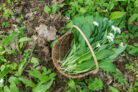
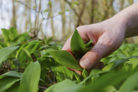
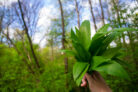
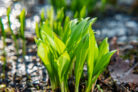
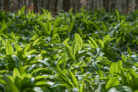
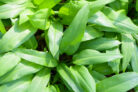
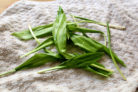
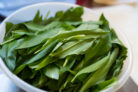
Wild garlic (also known as ramps or bear’s garlic) is one of the first aromatic treats to pop up in early spring. It’s a favorite for many foragers, but you’ve got to be careful—mistaking it for a toxic look-alike is a common mistake. Whether you’re picking it fresh or looking to save some for later, here’s what you need to know.
Look for damp, shady woodlands
If you’re hunting for wild garlic, head to damp, deciduous woodlands—especially areas near rivers that might occasionally flood. A common misconception is that you’ll find it in any old mixed forest or swampy marsh, but that’s usually not the case. Wild garlic is a bit picky about its soil; it hates acidic ground and prefers neutral to slightly alkaline pH levels.
When you’re out on a forage, sometimes your nose is your best tool. If there’s a large patch nearby, you’ll often smell that intense, garlicky aroma before you even see the green leaves.
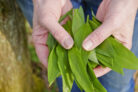
Safety first: always double-check that you aren’t picking a poisonous double-look-alike. To avoid a dangerous mix-up, look for the distinct angular stem and leaves that are shiny on top but matte on the bottom.
How to store your harvest
If you aren’t using your greens right away, you can keep wild garlic fresh for a few days with a simple trick. Just put the leaves in a plastic bag with a few drops of water, blow some air into the bag to puff it up, and seal it tight. This “mini-greenhouse” effect keeps them crisp in the fridge for up to four days.
You can also preserve wild garlic by freezing or drying it, though I’ll warn you: drying it causes it to lose a lot of that punchy flavor. No matter which method you choose, try to keep the leaves intact. Bruising or chopping them too early lets those flavorful oils escape, even if you’re tossing them straight into the freezer.
Growing wild garlic in your own backyard
If you’d rather skip the hike and harvest from your own property, you can easily plant wild garlic in your garden. The simplest way is to scatter seeds in a spot that mimics the forest floor—think partial shade and soil that stays moderately moist.
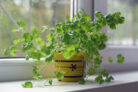
You’ll often see potted wild garlic plants at garden centers in the spring, which you can transplant directly into the ground. Just keep in mind that potted starts can take a few years to really spread out. If you want a lush carpet of garlic, starting from seed is usually the way to go. Just be patient—wait until the patch is nice and thick before you start harvesting heavily!