Fireblight is hands-down one of the scariest diseases that can hit pome fruit plants. This nasty bacterium spreads like wildfire when the conditions are right, and it can absolutely wreck a Hawthorn bush. If you want to save your plant, you’ve got to act fast and follow the right steps.
The Lowdown on Fireblight: How It Spreads
The culprit behind the chaos is a bacterium called *Erwinia amylovora*. This pathogen is a tough survivor—it can actually overwinter right on the infected plant and flare up again every single year. Within just a few seasons, it doesn’t just ruin your harvest; it can kill the entire plant. The good news? It’s totally harmless to humans. You can read more about various Hawthorn diseases right here.
Your plants are at the highest risk during spring and summer, especially while they’re blooming. The flowers are basically “ground zero” for infection, though the bacteria can also sneak in through new shoots or old wounds. Warm, humid weather is like a VIP invitation for this germ, helping it multiply at lightning speed. When it’s muggy out, the plant’s natural defenses get sluggish, making it way too easy for the pathogen to break in.
On the flip side, bone-dry soil and long droughts also stress the plant out, making it vulnerable. Part of what makes fireblight so unpredictable is that it has so many ways to travel. Here’s how it hitches a ride:
- Contaminated pruning shears and garden tools
- Infected plant material
- Major weather events (like wind and rain)
- Migratory birds
- Small mammals
- Insects
- People
During the active growing phase, the bacteria enter the plant through natural openings or any little nicks and cuts from pruning.
Spotting the Damage and Taking Control
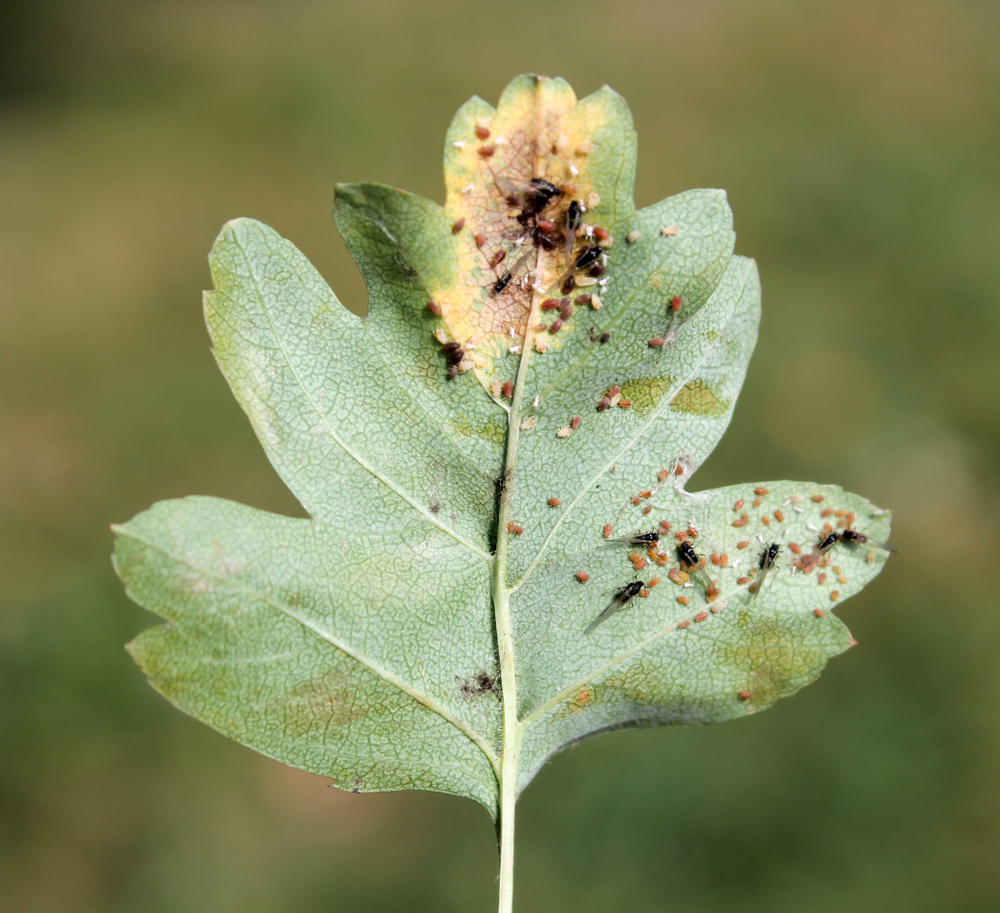
Right after an infection hits, you’ll notice the Hawthorn leaves starting to wilt and turning a dark brown or even black color. Once the bacteria get inside the wood, they basically clog up the plant’s “plumbing,” cutting off the water supply. This causes the leaves and shoot tips to curl and shrivel up. The plant ends up looking like it’s been scorched by a blowtorch—which is exactly how it got the name “Fireblight.” You might also spot a sticky bacterial ooze seeping from the affected areas.
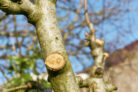
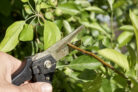
If you spot these symptoms, you need to jump into action immediately. Prune back the infected branches and shoots well into the healthy wood. Make sure you toss the clippings in the regular trash—never the compost! You don’t want that contaminated material touching any other plants. If a plant is severely infected, it’s best to pull it out entirely.
Most importantly: disinfect every single tool that touches the Hawthorn. Since this is a serious agricultural threat, you should also notify your local plant protection office or extension service and keep a very close eye on your garden for any signs of a comeback.