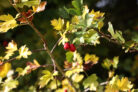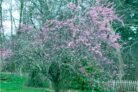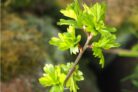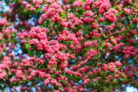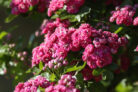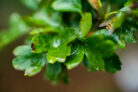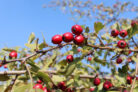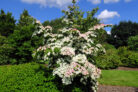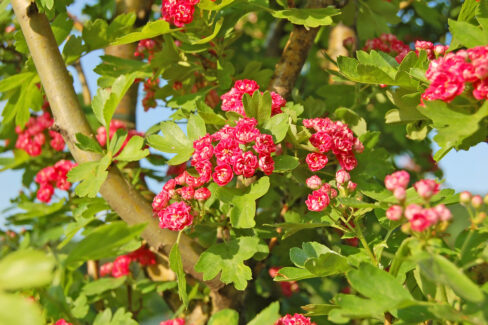
The English Hawthorn (Rotdorn) is one of those rock-solid plants that handles city life like a pro. Whether you’re growing it as a stunning standalone specimen tree or a thick, privacy-granting hedge, it’s usually pretty low-maintenance. However, even the toughest plants have their bad days. While diseases aren’t super common, they do pop up from time to time.
Common Issues with English Hawthorn
Sometimes the stars just don’t align—maybe the weather is too soggy, the soil is bone-dry, or a little pruning mistake was made. When the conditions aren’t quite right, your Hawthorn can become vulnerable. Here are the main culprits to look out for:
- Fungal infections
- Sooty mold
- Fire blight
- Common pests
Fungal Infections
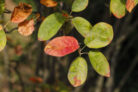
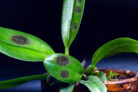
Fungi absolutely love those warm, humid summer days. For the most part, these infections are more of an eyesore than a death sentence. You’ll notice the leaves turning black, which definitely ruins the aesthetic, and eventually, those affected leaves will dry up and drop off. Pro tip: Rake them up and toss them in the trash (not the compost!) to prevent the spores from hanging around until next year.
Sooty Mold
If you see a black, soot-like coating on your leaves, you’ve likely got a two-part problem. This fungus usually hitches a ride when you have an aphid infestation. Aphids leave behind a sticky residue called “honeydew,” which is basically a buffet for sooty mold. You’ll see black spots that spread out in a star-like pattern. The best way to fix this? Get rid of the aphids! Once their food source is gone, the mold will clear up. You can use a simple insecticidal soap or natural plant-based sprays to send those aphids packing.
The Dreaded Fire Blight
This is the big one. English Hawthorns are unfortunately quite susceptible to this bacterial disease. If you spot it, you have to move fast because it spreads like wildfire. In many areas, fire blight is actually a reportable disease, so check with your local agricultural extension office. At first, it looks like a fungal issue with brown or black leaves, but there’s a key difference: the leaves don’t fall off. Instead, the entire branch turns black and the leaves shrivel up, making the tree look like it was literally scorched by fire.
Fire blight is notoriously difficult to “cure,” which is why gardeners fear it so much. If you see it, grab your shears and prune out the infected areas immediately—and be aggressive with your cuts! If left alone, a mature tree will likely die within two years, and young saplings won’t even last three weeks. If it gets out of control, the only option is to remove the tree entirely to save the rest of your garden. Make sure to burn or deeply bury any infected wood.
To help prevent fire blight in the first place, you can use commercial yeast-based sprays during the summer. These help create a protective barrier that makes it harder for the bacteria to move in.