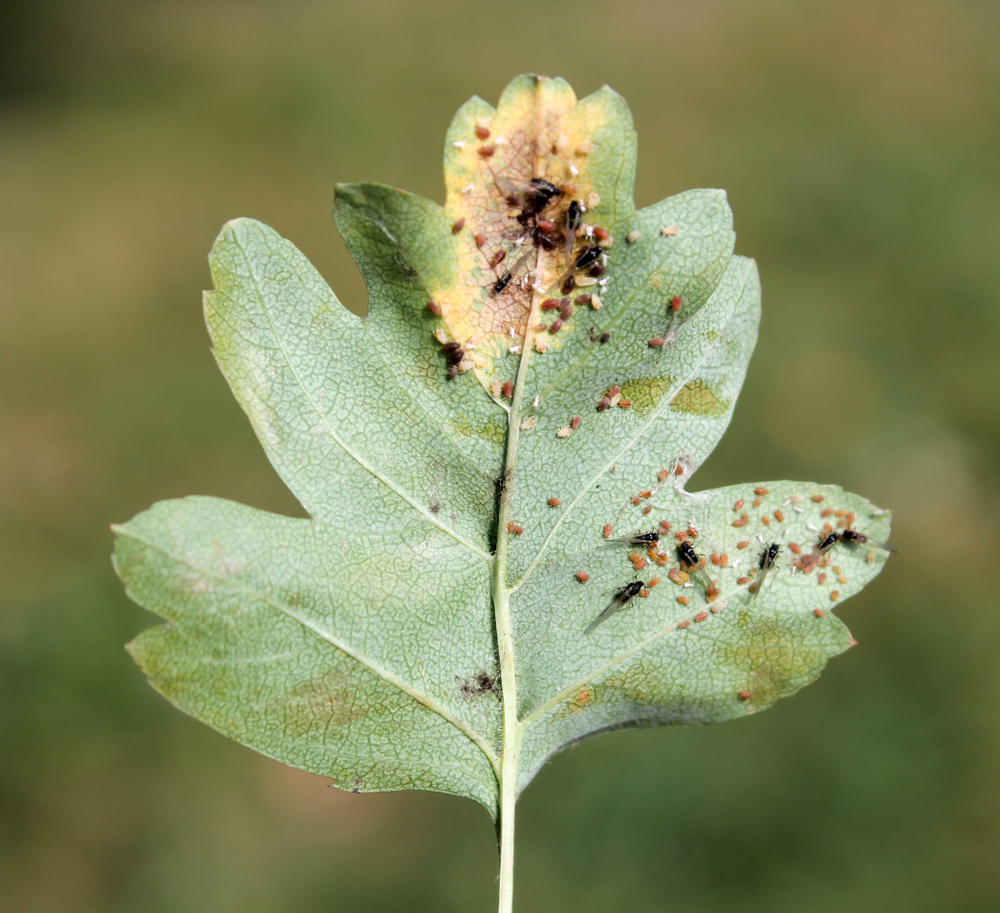
Even though hawthorn is known for being tough and resilient, it’s not totally invincible when it comes to diseases. The biggest threat you’ll face is fire blight, which unfortunately usually means saying goodbye to the tree. Besides that, hawthorn is prone to a few fungal issues, but the good news is those are much easier to handle on your own.
Fire Blight
The culprit behind fire blight is a highly infectious bacterium that can spread like wildfire under the right conditions. It travels through a sticky bacterial ooze and is often spread by contaminated pruning tools or infected plant debris. In many regions, fire blight is actually a reportable disease, meaning you might need to notify your local agricultural department. They’ll usually decide if the affected shrubs need to be removed—and sadly, that’s almost always the case.
If you notice leaves turning brown or looking scorched, or if the tips of the branches are drooping and drying out, you’re likely looking at fire blight. As the disease progresses, you’ll see that telltale bacterial slime on the leaves and twigs. You can find a more detailed article on fire blight in hawthorn right here.
Powdery Mildew
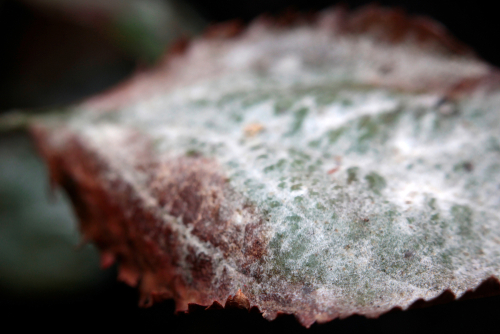
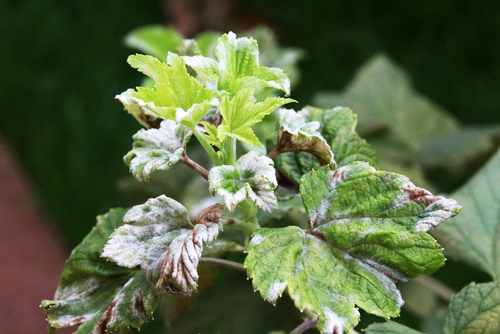
Since hawthorn is part of the rose family, it’s susceptible to powdery mildew. You’ll recognize this one by the milky, white spots that appear on the leaves—it can look like the plant has been dusted with flour. As it gets worse, the foliage starts to curl up and new shoots may die off. This fungus absolutely loves warm temperatures combined with damp overnight dew.
If you don’t treat it, mildew can become a real long-term headache. The fungus can actually survive the winter in fallen leaves on the ground. Because of this, it’s super important to prune away all infected parts and toss them in the trash—never the compost! Afterward, give your hawthorn a treatment with a suitable fungicide to keep it protected.
Other Fungal Diseases
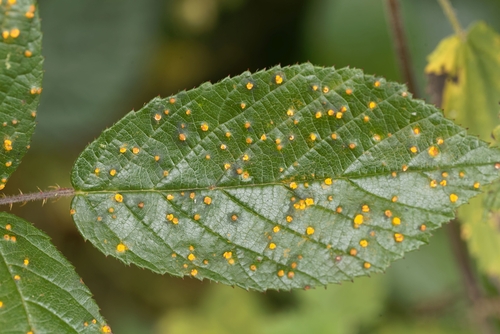
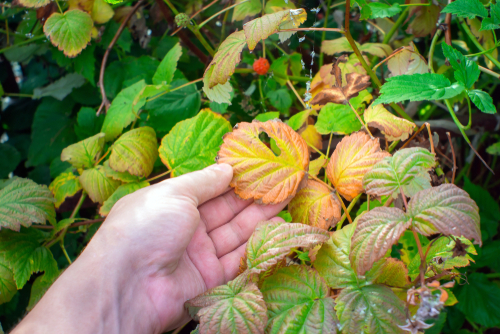
Gymnosporangium rust (often called trellis rust) usually shows up if you have juniper trees nearby. The pathogen overwinters on the juniper and jumps back to the hawthorn every year. If you spot bright red or orange spots on the tops of the leaves, or if the leaf stems and veins look swollen, you’ve got rust. In this case, a targeted fungicide treatment is your best bet.
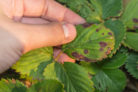
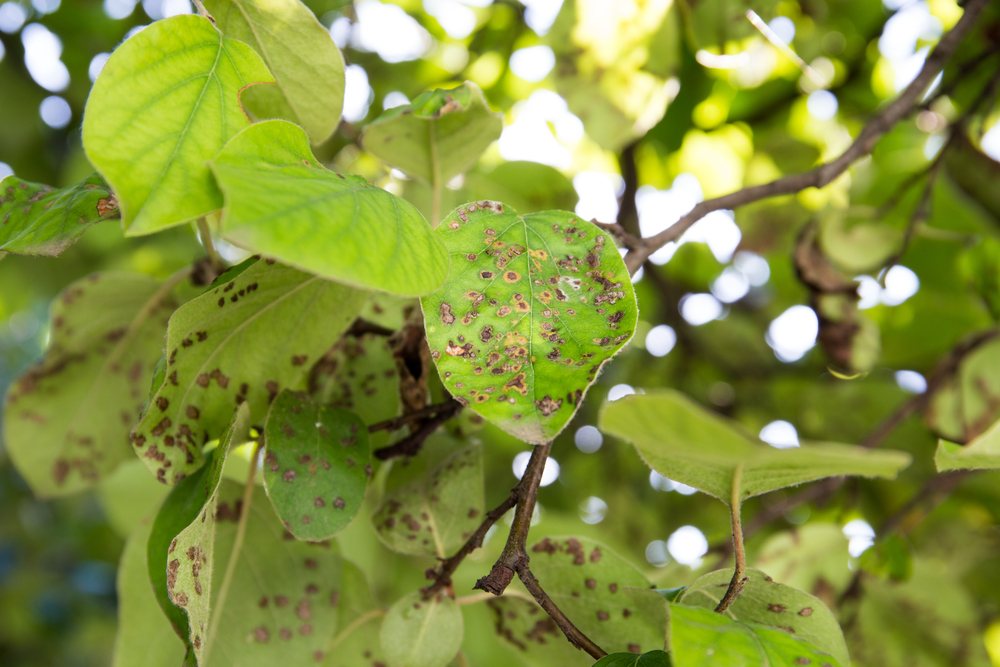
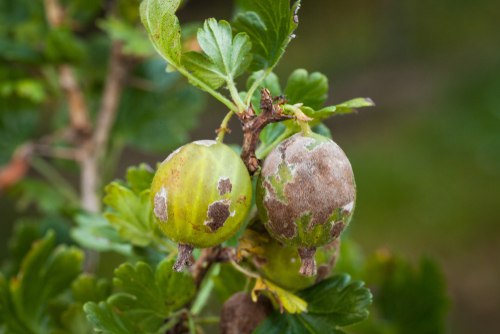
Then there’s scab, a fungal disease that tends to pop up when hawthorn bushes are planted too close together. When there isn’t enough airflow, water sits on the leaves too long instead of evaporating. You can read up on how to plant hawthorn correctly here to avoid this. You’ll recognize scab by brown spots on the leaves and fruit, which eventually start to crack. If you see it, prune back the affected areas heavily and dispose of the clippings in the garbage.