If you’re a fan of the majestic ash tree, there’s one name that probably sends a shiver down your spine: Ash Dieback. Often caused by a fungus known as *Hymenoscyphus fraxineus* (or “Chalara”), this disease is one of the biggest threats facing ash trees today. It’s a tough one to deal with because, unfortunately, once it takes hold, it’s incredibly difficult to stop.
Ash Dieback: An Unwanted Visitor from Asia
This fungus isn’t a local; it actually originated in East Asia. It first started making its presence known in Europe and Germany around 2007, and since then, it’s been wreaking havoc on ash populations across the continent.
Spotting the Symptoms
How do you know if your tree is in trouble? Ash Dieback has a few “tell-tale” signs you should keep an eye out for:
- Spotted or wilting leaves
- Discolored bark
- A thinning or misshapen canopy
Leaf Discoloration and Wilting
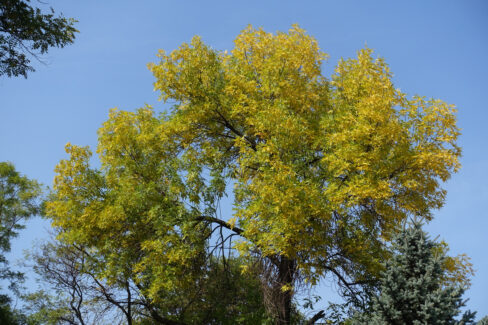
One of the first signs of infection is the appearance of yellow, brown, or even black spots on those normally vibrant green leaves. As the fungus spreads, the leaves will start to wilt and eventually drop off the tree prematurely.
Bark Discoloration
The fungus doesn’t just stop at the leaves; it affects the bark too. You’ll often notice the side shoots turning a pale pink or yellowish hue. As the disease progresses, these shoots and branches will dry out completely, become brittle, and snap off.
Changes in the Canopy
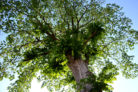
Because the shoots are dying back, the tree’s crown will start to look thin and “see-through.” In a desperate attempt to survive, the ash tree often reacts by growing dense, bushy clusters of new shoots (called epicormic growth) to try and replace what it’s lost.
Age Matters
The way the disease progresses often depends on the age of the ash tree. Older, established trees tend to be a bit more resilient and can hang on for years. Young saplings, however, are hit much harder and can often wither away completely within a single growing season.
Can You Fight Ash Dieback?
I’ll be honest with you: there isn’t a “magic cure” or a chemical spray that effectively kills off Ash Dieback yet. However, there is a glimmer of hope! Experts have noticed that some trees standing right next to heavily infected ones seem to stay healthy. This suggests that some trees have a natural genetic resistance.
For the average gardener, the best move is to prune away and dispose of infected branches. In severe cases where the tree has become a safety hazard or is completely dead, cutting it down might be the only way to help slow the spread of spores to neighboring trees.
Don’t Mistake It for Something Else
Before you panic, remember that Ash Dieback can sometimes look like other issues. It’s easy to confuse it with:
- Late spring frost damage
- Ash Canker (Bacterial)
- Bark Scorch or Fire Blight