These two are close cousins in the plant world, and while they share a lot of DNA, they definitely have their own unique personalities. If you’re trying to tell them apart in your neighborhood or planning your next garden project, here’s the lowdown on how to spot the differences.
Similarities and Differences
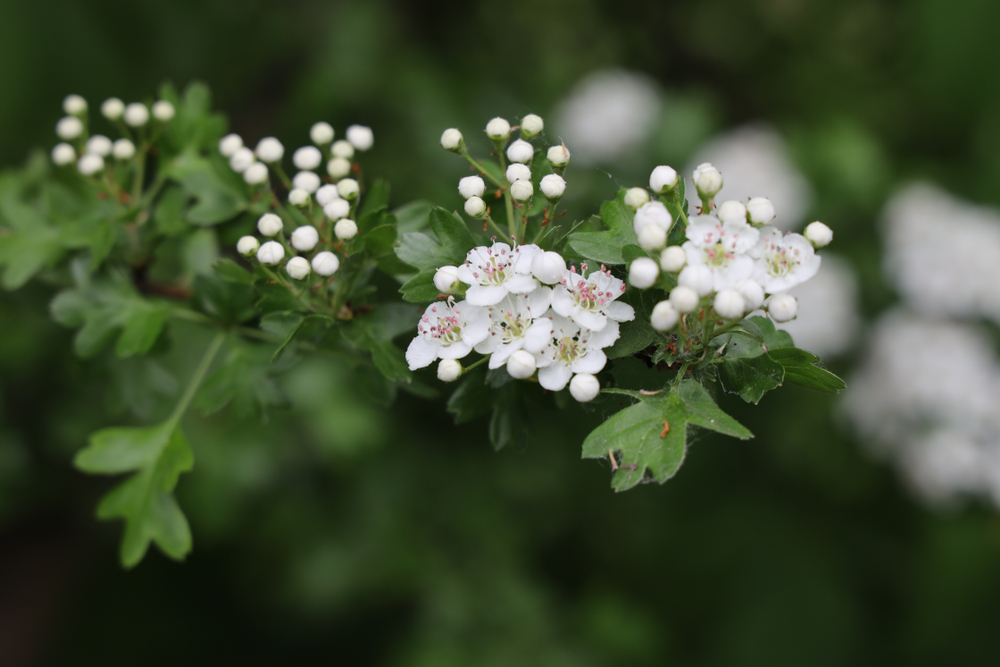
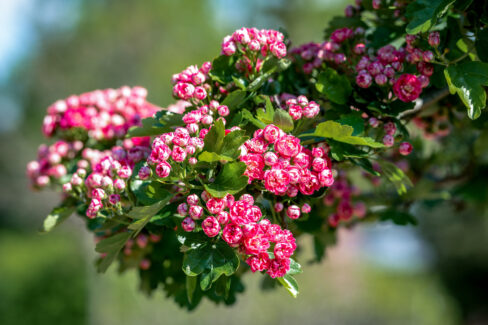
The most obvious giveaway is the color of the blooms. Hawthorn (Weißdorn) shows off classic white flowers, while English Hawthorn—often called Red Hawthorn (Rotdorn)—rocks a vibrant red. But the differences go deeper than just color:
- Flower shape and structure
- Fruit production (or lack thereof!)
- How they’re used in landscaping
- Bloom time: Red Hawthorn peaks May to June; White Hawthorn hits its stride April to May.
- Red Hawthorn Size: Reaches 15–30 ft tall and 6–15 ft wide, growing up to 28 inches a year.
- White Hawthorn Size: Usually stays under 15 ft tall and 6 ft wide, with a slower growth rate of 8–15 inches per year.
What they have in common:
- Both are incredibly hardy in winter.
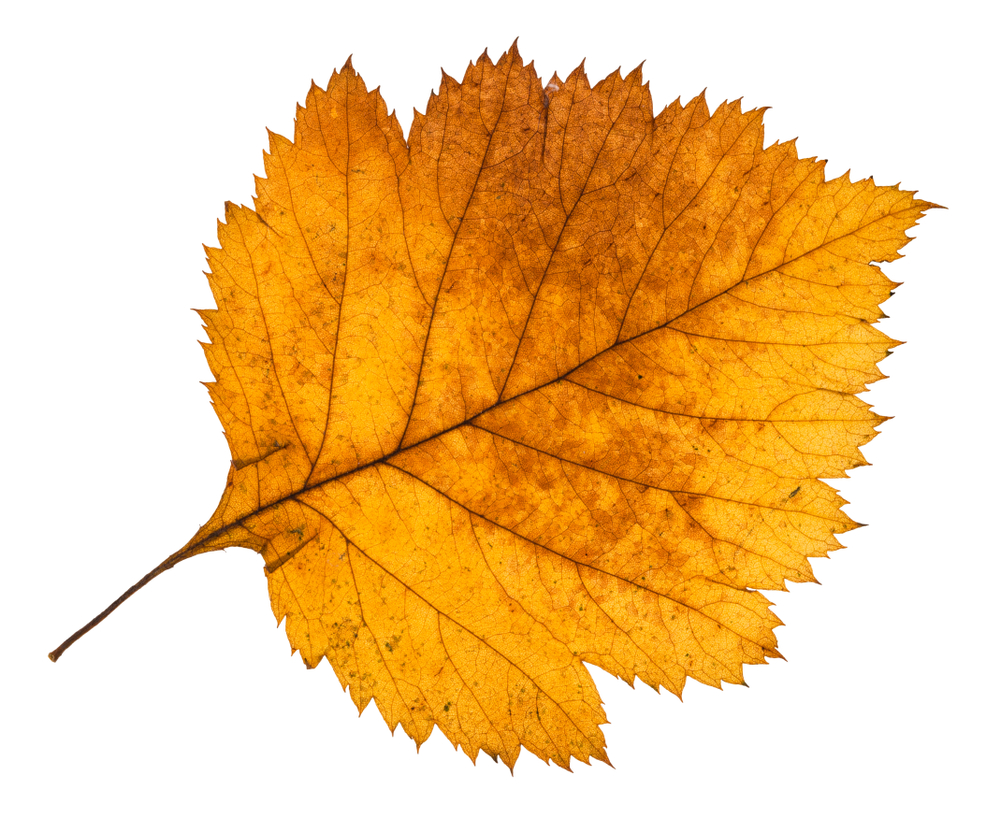
- Both are deciduous (they drop their leaves in fall).
- Both handle pruning like champs.
- They both love full sun to partial shade.
- They both thrive in nutrient-rich soil.
The Blooms: White vs. Red
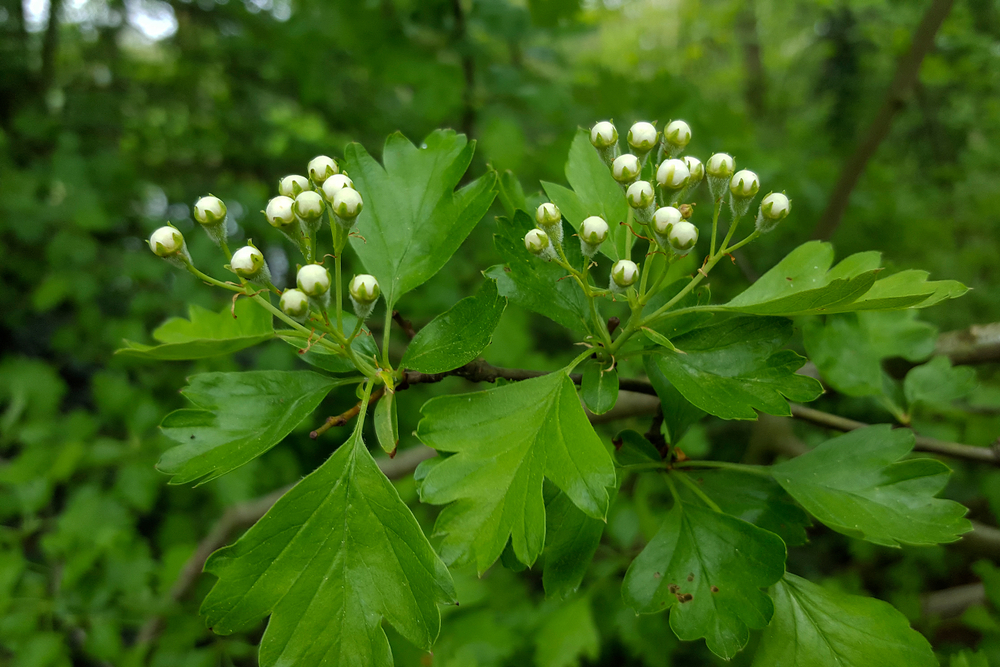
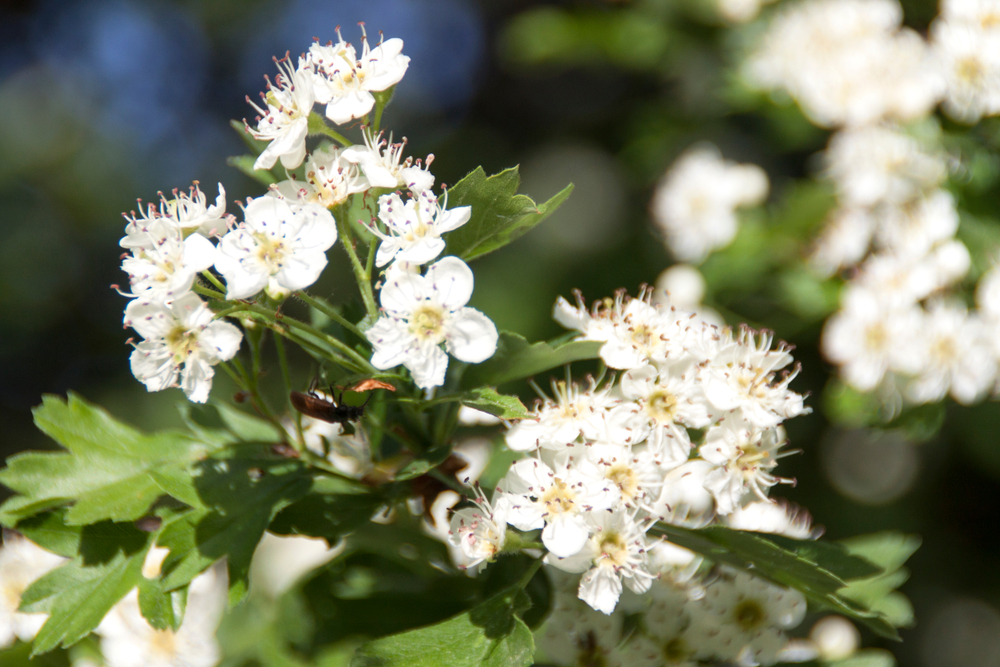
Most of the 200 to 300 species of White Hawthorn produce snowy white blossoms (pinks and reds are pretty rare in the wild). They grow in clusters called corymbs and smell absolutely wonderful. Each tiny flower is only about a quarter-inch to an inch wide with five delicate petals. When the blooming season ends, the petals drift down like a light summer snowfall.
While people call any red-flowering hawthorn a “Red Hawthorn,” the real star of the show is the ‘Paul’s Scarlet’ cultivar. During peak season, this tree is covered in massive clusters of deep carmine-red flowers that look like miniature roses.
Fruit Production
The Red Hawthorn basically traded its fruit for those show-stopping flowers. Most of its stamens evolved into extra petals, which means you’ll rarely see berries on these trees, even though bees and butterflies still love visiting the blossoms.
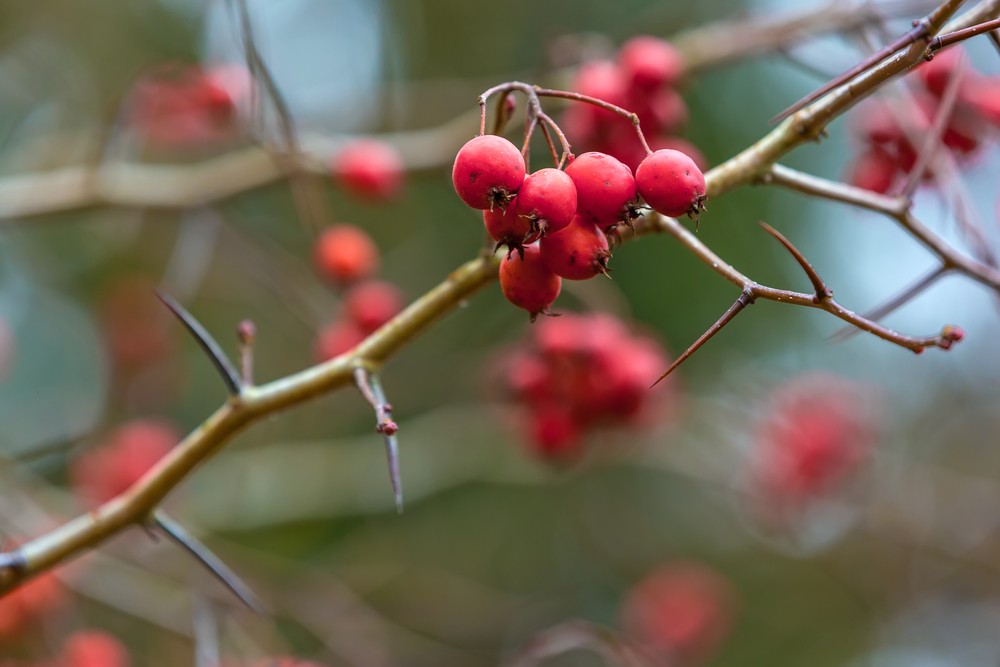
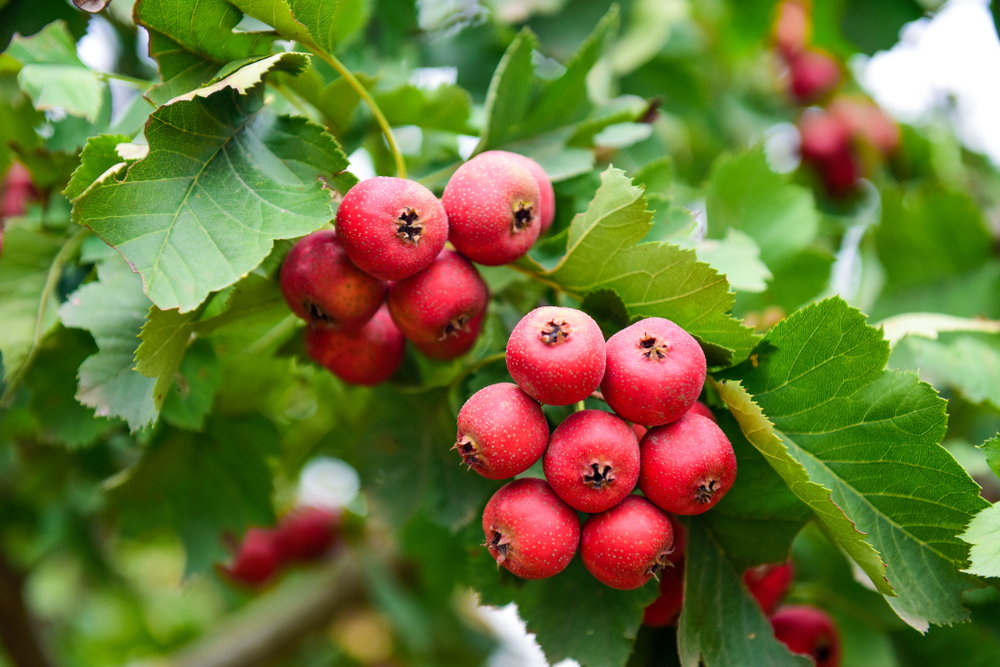
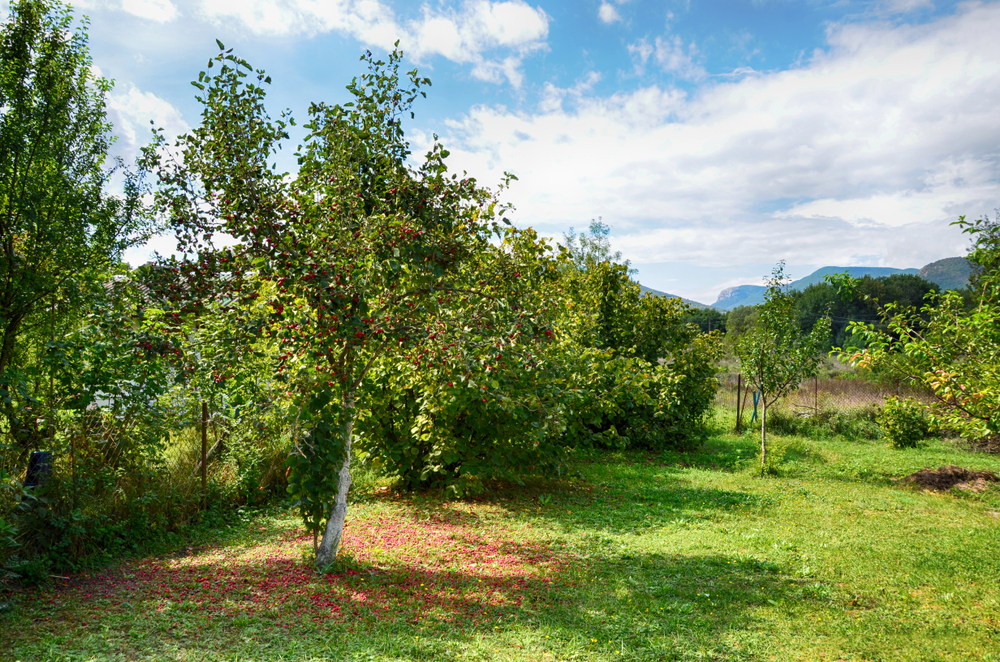
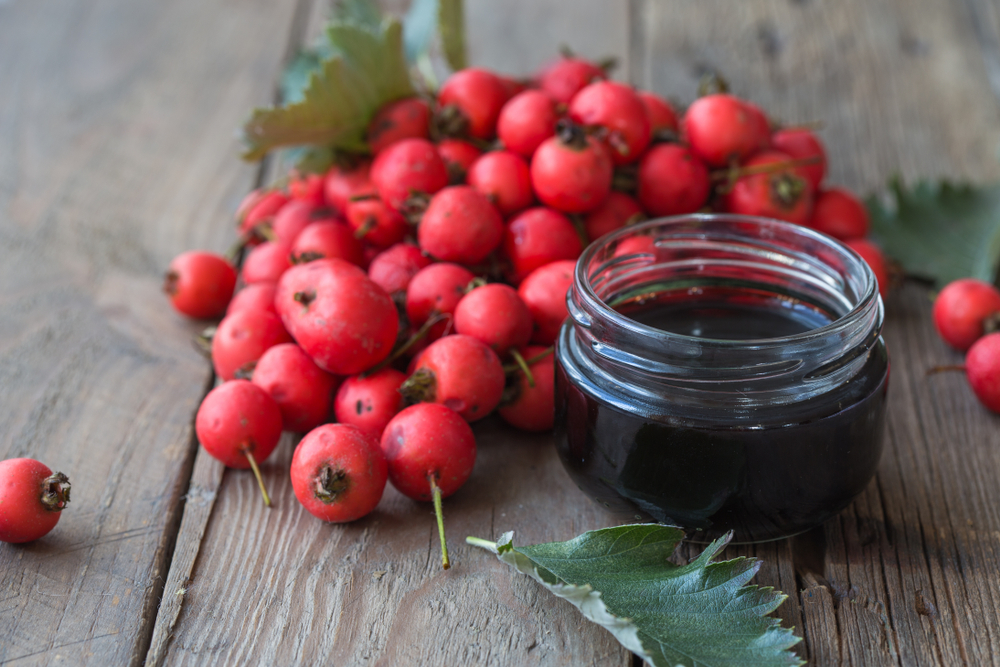
The White Hawthorn, on the other hand, is a fruit machine. In the fall, it produces tons of small, red, apple-like fruits. While they are edible, they’re a bit mealy and tart if you eat them straight off the branch. However, if you process them into jams, jellies, or juices, they make a fantastic, vitamin-rich treat!
Using Them in Your Garden
Because of its stunning floral display, the Red Hawthorn is a favorite “specimen tree”—meaning it’s meant to stand alone and look pretty. Since it doesn’t get massive, it’s a perfect fit for smaller suburban yards or even as a decorative street tree.
White Hawthorn is also grown as a tree (you’ll often see old specimens standing guard in front of historic farmhouses), but it’s most famous as a hedge plant. Because it grows thick, gnarly, and dense, it creates a “living wall” that’s great for privacy and keeping uninvited guests out of your yard.