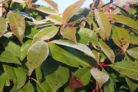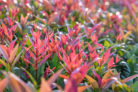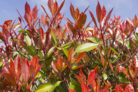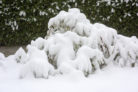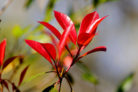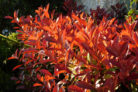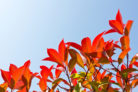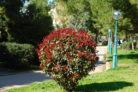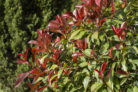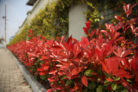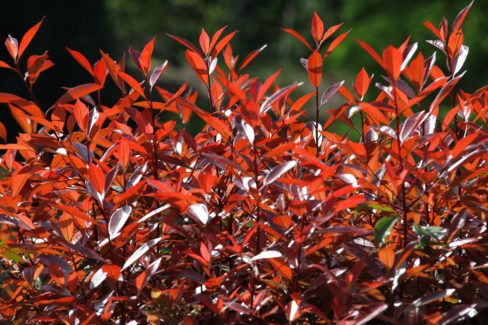
As the name suggests, the Photinia (or Red Tip Photinia) is famous for its gorgeous, glossy foliage. Depending on the variety and how new the growth is, you’ll usually see a mix of vibrant reds and deep greens. However, if those leaves start looking brown, crispy, or scorched, you might be dealing with a serious problem.
How do I spot Fire Blight?
The first red flags of fire blight are often brown or black spots appearing on the leaves. You’ll notice the leaves wilting from the stem toward the tip. Shortly after, entire branch tips will dry out and shrivel, looking exactly like they’ve been scorched by fire—which is exactly how this disease got its name.
What exactly is Fire Blight?
Fire blight is arguably the nastiest disease your Photinia can face. Because it spreads like wildfire and can wipe out entire landscapes, it’s actually a reportable disease in many regions (so check with your local agricultural extension if you suspect an outbreak). In some countries, like Switzerland, planting certain highly susceptible varieties is even banned!
The culprit behind the carnage is a bacterium with the fancy name *Erwinia amylovora*. These pathogens are incredibly infectious and move around in a dozen different ways. It’s not just insects and birds doing the dirty work; wind, rain, pets, and even people can spread the bacteria.
Even a pair of dirty pruning shears can be the downfall of your Photinia. Always make sure to disinfect your garden tools after pruning a sick plant, and wash your hands thoroughly before touching your healthy ones!
Can Fire Blight be treated?
If you catch it early, you should immediately cut back the infected parts. Make sure to toss those clippings in the trash—never the compost pile! If the bacteria get into your compost, they can easily hitch a ride to the rest of your garden. Unfortunately, young plants often don’t survive an infection. Older, established plants might hang on for a few years, but a severe case is usually fatal.
The Quick Facts:
- It’s a bacterial plant disease.
- The Cause: *Erwinia amylovora* bacteria.
- It spreads rapidly with a very high infection risk.
- REPORTABLE: Check local regulations if you find it!
- Don’t worry—it’s not dangerous to humans.
- It primarily affects pome fruits (like apples and pears) but also other members of the Rose family.
- Spread by: Wind, rain, insects, birds, animals, people, and dirty tools.
- Symptoms: Black or brown leaves and flowers, plus shriveled, “hooked” branch tips.
Quick Tip: If you don’t act fast, fire blight can jump to many other plants in your yard. Your apple trees, pear trees, and roses are all at risk!