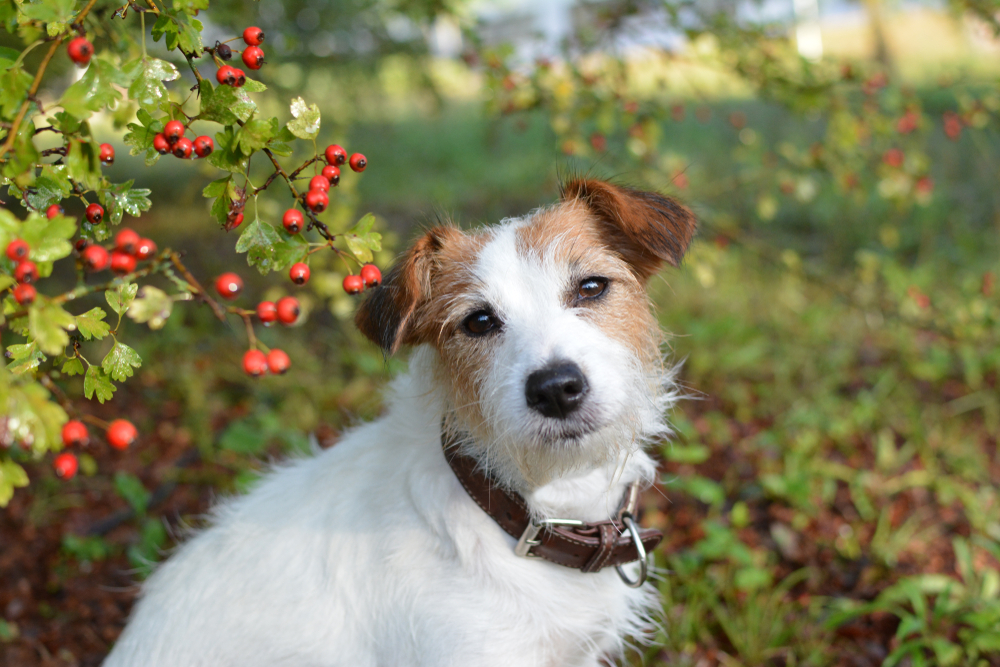
Most of us know that hawthorn is a powerhouse medicinal plant for humans, but did you know it’s just as great for our furry friends? If you’ve got a senior dog or a pup who needs a little extra cardiovascular support, adding hawthorn to their diet can be a total game-changer for their health.
Hawthorn: A Superfood Supplement for Your Dog
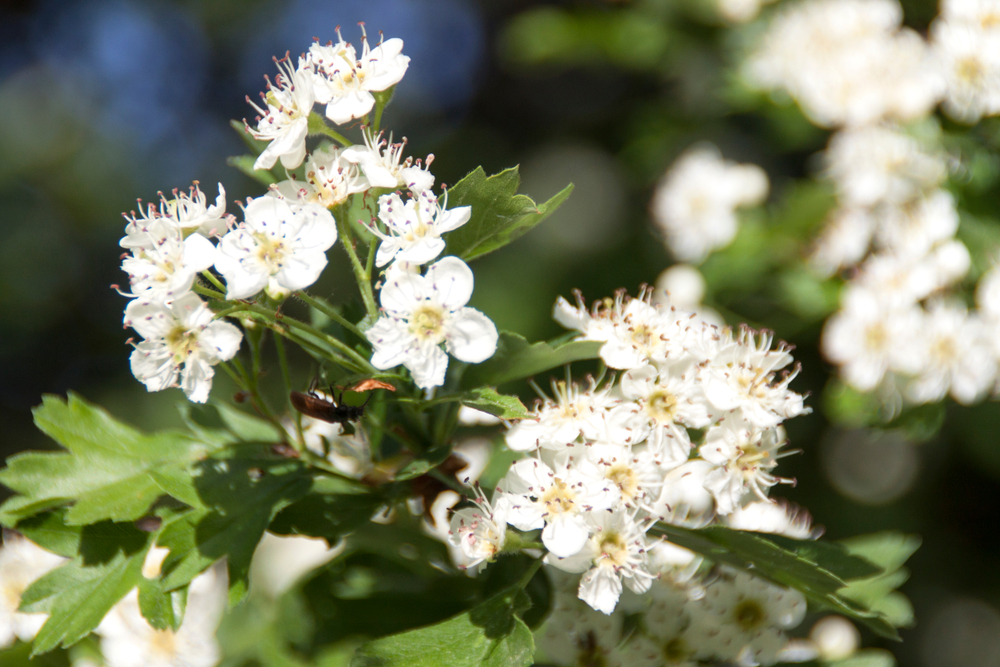
First things first: let’s bust a myth. Hawthorn is not toxic—not for you, and definitely not for your dog. Even though you might still hear rumors to the contrary, it’s perfectly safe. You can find more details on hawthorn toxicity in this post. Usually, the leaves and flowers of this rose-family plant are sold as supplements or feed additives. They are especially popular for older dogs or those who need a boost in heart and circulatory health. Plus, when mixed with other herbs, hawthorn can even help with muscle relaxation.
The heart-strengthening benefits of hawthorn have been famous for ages. Hawthorn extracts contain a powerful mix of compounds that soothe the system, improve circulation, and fight inflammation. It also helps lower blood pressure and acts as a mild diuretic. This means your dog might need a few extra potty breaks, but don’t worry—that’s totally normal!
Targeted Relief: When to Use Hawthorn for Your Dog
Hawthorn is a fantastic go-to if your dog is dealing with a weakening heart, trouble sleeping, “nervous” jitters, a persistent cough, or even bladder and kidney issues. One reason dog owners love it so much is that side effects are incredibly rare. That said, I always recommend chatting with your vet before starting any new supplement. If your dog is already dealing with a health condition, definitely don’t wing it—get a professional opinion first.
When it comes to serving it up, most people mix dried, ground flowers or leaves right into their dog’s kibble or wet food. You can also find hawthorn drops or liquid extracts. Getting the dosage right is key: for small dogs, a tiny pinch per meal is usually plenty. For the big guys, you can go up to about half a teaspoon. Generally, you only want to supplement once a day. Again, check in with your vet for a specific dosage recommendation tailored to your dog’s weight and needs!